Why West Melbourne matters.
West Melbourne is among the city's most rapidly evolving inner-city districts, where industrial heritage, urban renewal, and contemporary city living converge on the edge of Melbourne's central business district.
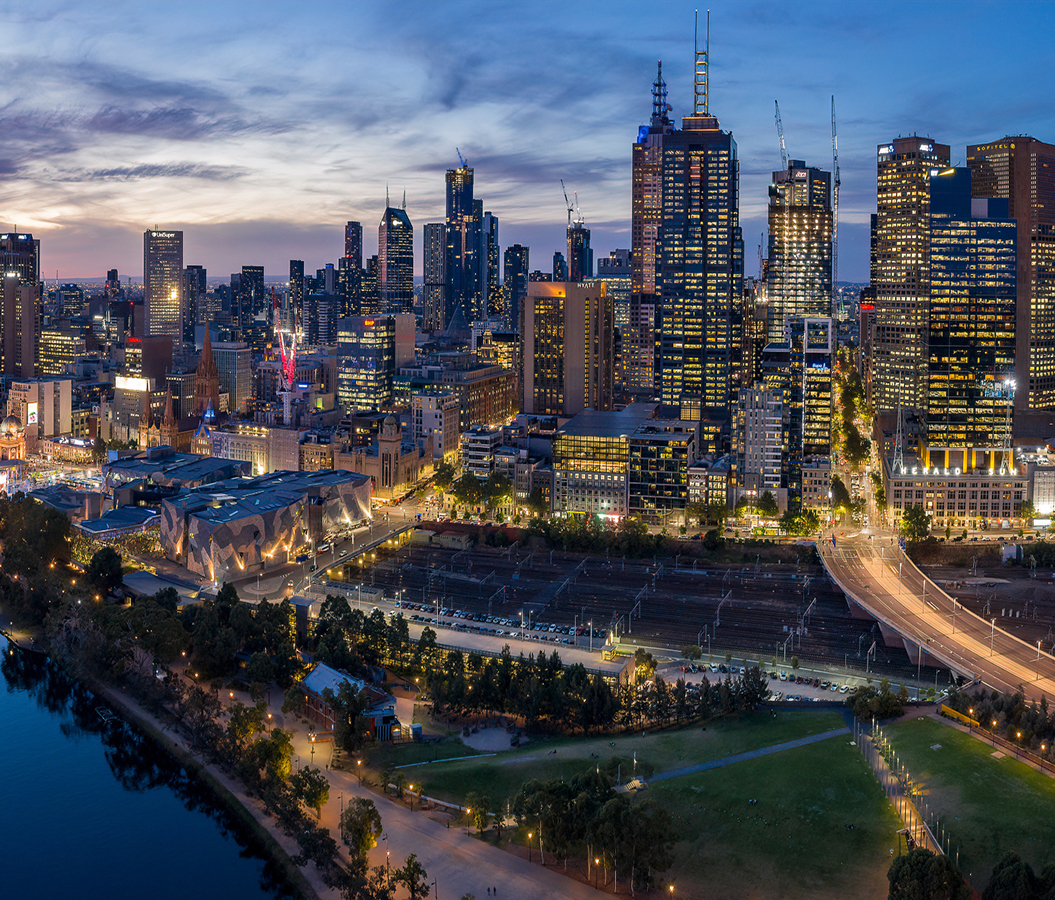
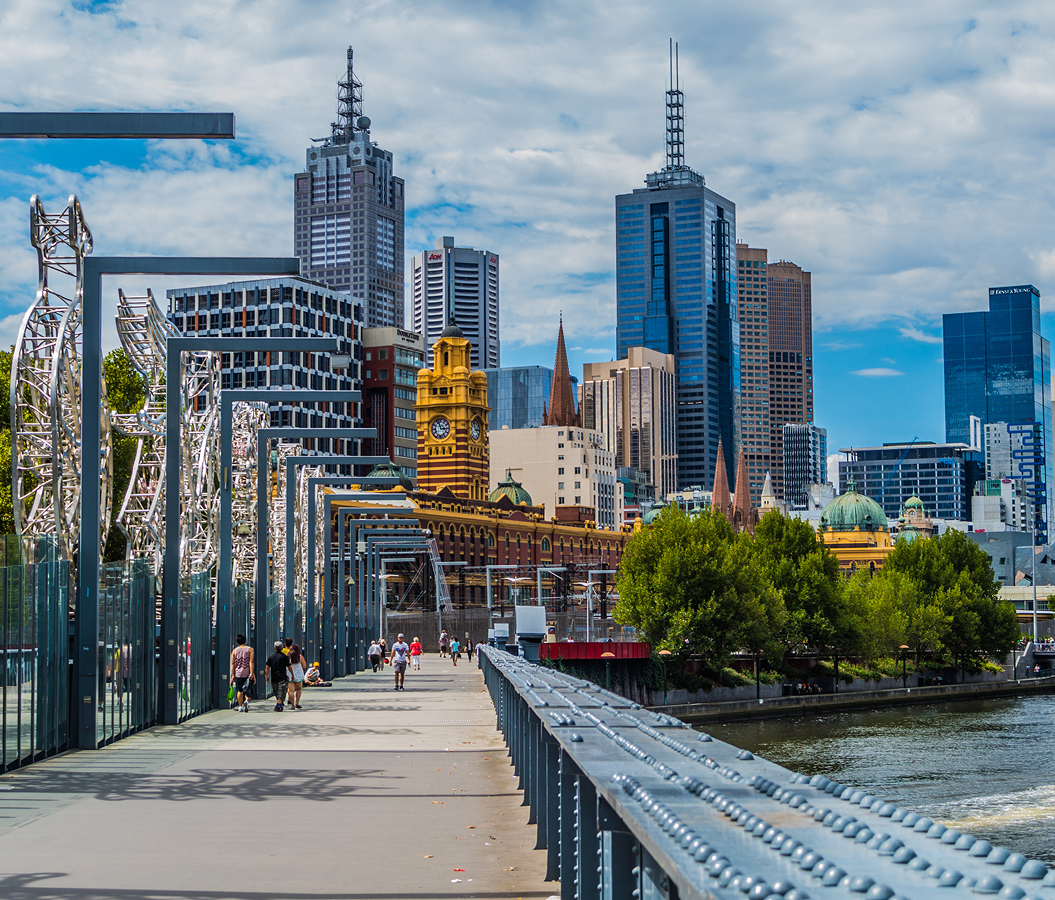
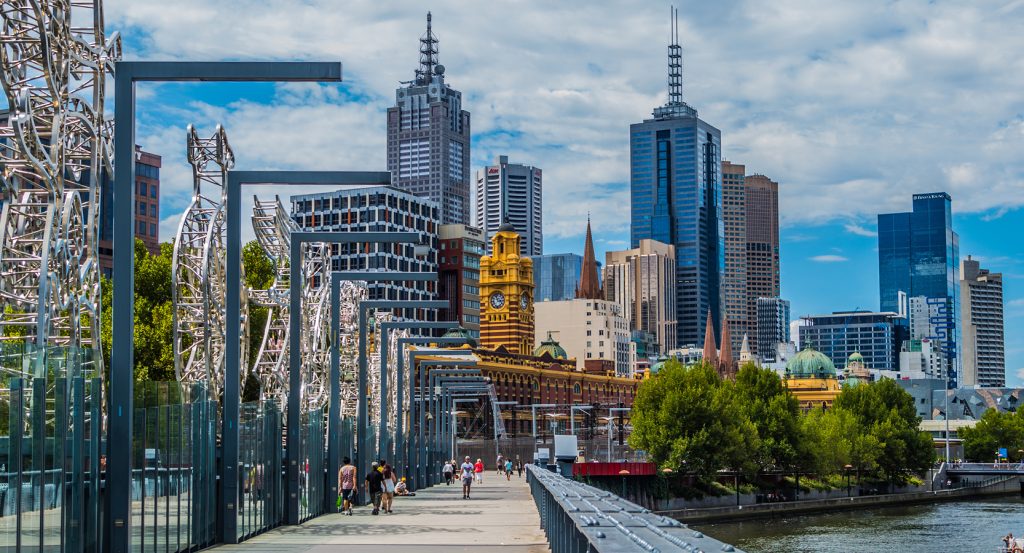
Historic warehouses, Victorian-era streetscapes, modern residential developments, local cafés, creative workspaces, and expanding green spaces create a neighborhood that balances historical character with forward-looking ambition. Originally established during Melbourne's nineteenth-century growth as an industrial and working-class district, West Melbourne developed around rail infrastructure, manufacturing activity, and commercial trade that helped fuel the city's economic rise. Over time, its strategic location near the city center attracted new investment while preserving many of the architectural elements that defined its past. Recent redevelopment has introduced new residential communities, cultural initiatives, and public amenities that continue to reshape the area. Today, visitors encounter a neighborhood that feels dynamic, authentic, and increasingly influential within Melbourne's urban landscape. The result is a neighborhood that feels creative, evolving, and distinctly metropolitan. To the east, Melbourne CBD's commercial towers and civic landmarks extend naturally from West Melbourne across one of Australia's most important urban corridors, reinforcing the neighborhood's position within the heart of modern Melbourne. Every warehouse conversion, residential street, and public space reflects a district shaped by reinvention, growth, and opportunity.
What defines West Melbourne.
West Melbourne is best known for being one of Melbourne's most significant urban renewal districts, transforming historic industrial landscapes into a thriving mixed-use neighborhood at the edge of the city center.
For much of its history, the area served as an important industrial and logistics hub supporting Melbourne's rapid economic expansion. Rail yards, warehouses, factories, and commercial facilities dominated the landscape while providing employment and infrastructure essential to the city's growth. As industrial activity declined, large sections of the district became opportunities for redevelopment and reinvestment. Urban planners, developers, and community stakeholders worked to preserve elements of the neighborhood's historical character while introducing housing, commercial spaces, and public amenities suited to a modern city. This transformation helped establish West Melbourne as a model for balancing heritage preservation with contemporary urban development. Today, the district continues to attract residents, businesses, and investment while maintaining visible connections to its industrial roots. Few neighborhoods in Australia possess such a compelling combination of historical infrastructure, architectural character, and large-scale urban transformation.
How West Melbourne fits.
West Melbourne works as an exploration of the historic landmarks, revitalized streetscapes, and urban spaces that define one of Melbourne's most exciting emerging districts.
Begin at Flagstaff Gardens, where the neighborhood's defining connection to green space and city life immediately comes into focus. Continue toward Queen Victoria Market, whose historic significance, energetic atmosphere, and local character reveal the commercial traditions that helped shape the surrounding area for generations. From there, make your way to North Melbourne Railway Precinct, where historic rail infrastructure and evolving urban development provide a broader perspective on the industrial foundations that influenced the district's growth. Along the route, you'll encounter heritage warehouses, neighborhood cafés, public parks, residential streets, community gathering spaces, architectural landmarks, and emerging cultural venues that showcase the neighborhood's remarkable depth. The progression moves naturally from historic parkland to iconic marketplace to industrial heritage landscape, revealing the forces that shaped the district. West Melbourne remains one of the city's most rewarding urban neighborhoods, preserving a remarkable balance between industrial heritage, contemporary development, and everyday local life.
Where your story begins.
Foresyte Travel reveals places that feel extraordinary long before you arrive.
Enjoy editorial crafted for luxury travelers.
Foresyte may earn a commission when you book.