Why 83rd Street matters.
83rd Street is a welcoming corridor where El Portal's leafy streets, village heritage, residential character, and tropical landscape create one of northern Miami's most inviting neighborhood corridors.
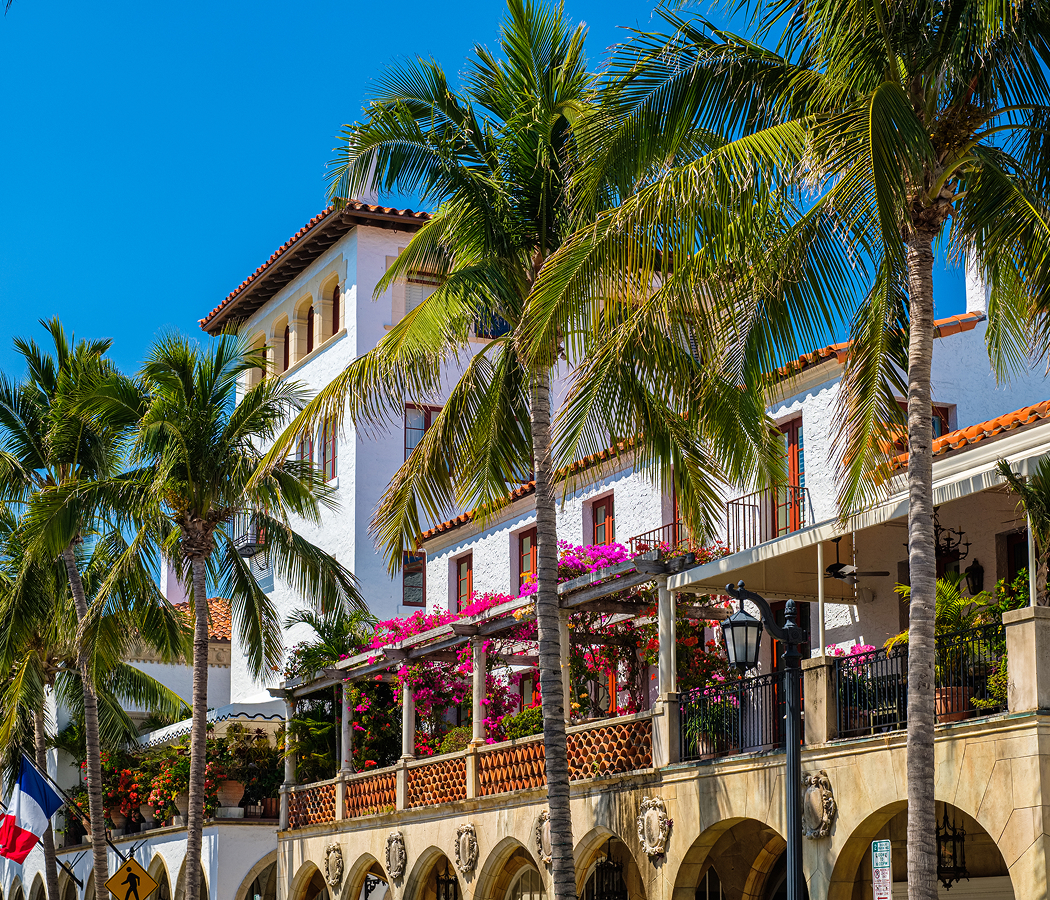
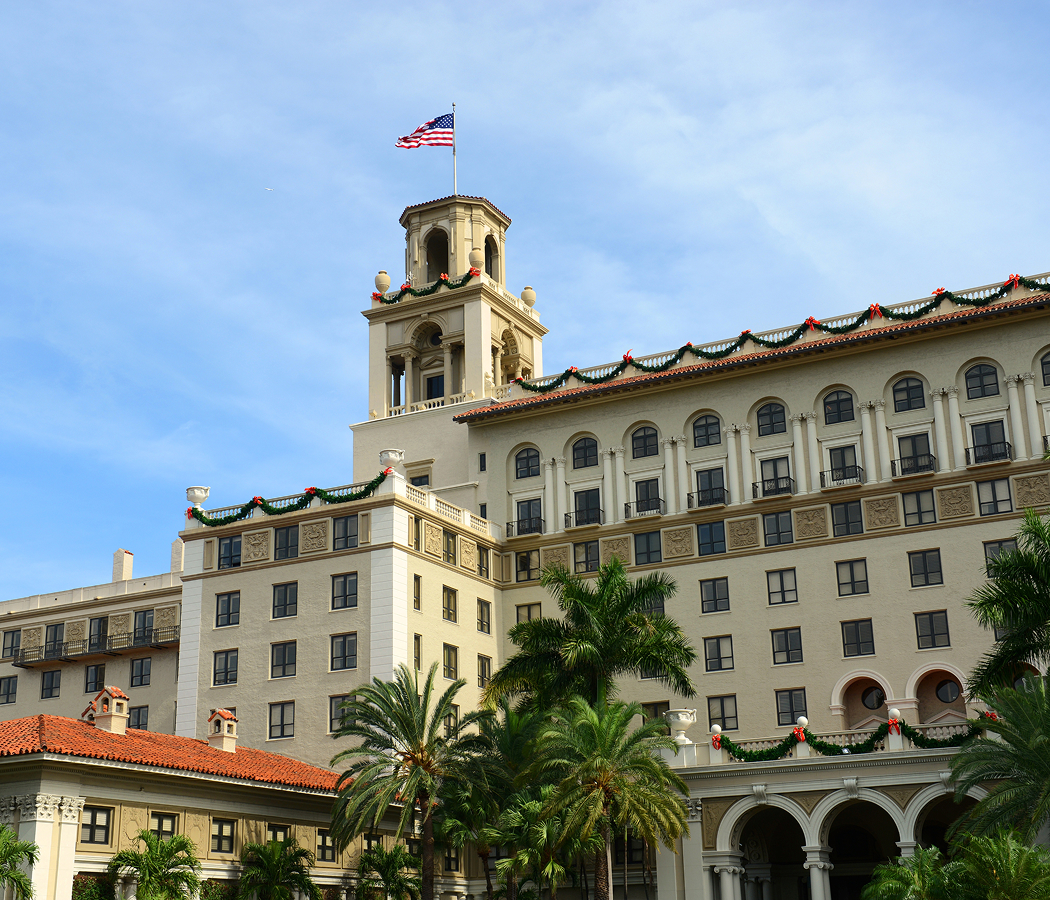
Running through El Portal between Little River and Miami Shores, the corridor connects shaded residential blocks, civic spaces, neighborhood institutions, and mature tree canopies that collectively reflect one of Miami-Dade County's earliest planned suburban villages. Broad lawns, native hardwoods, historic residences, and quiet streets create a setting where architectural heritage and South Florida's natural landscape remain closely intertwined. Throughout the corridor, preserved homes, flourishing subtropical vegetation, and longstanding community landmarks reinforce an environment shaped through more than a century of careful residential development. The result is an experience defined by neighborhood charm, ecological richness, and one of Miami's most distinctive residential corridors.
What you should know 83rd Street.
83rd Street is best known for extending through El Portal, a municipality incorporated in 1937 through the consolidation of Sherwood Forest, El Jardín, and El Portal, creating one of Miami-Dade County's smallest incorporated villages. Development surrounding the corridor accelerated during the 1920s Florida land boom as Mediterranean Revival, Mission Revival, Frame Vernacular, and early Ranch residences established a residential landscape distinguished by generous setbacks, native tree preservation, and winding streets adapted to the area's natural topography. El Portal derives its name from the Spanish word for “the gateway,” reflecting its historic position along routes connecting early Miami settlements with communities farther north while maintaining a character separate from surrounding urban expansion. Oolitic limestone, coral rock foundations, masonry construction, clay barrel roof tiles, decorative stucco, and hardwood framing document the building materials and construction methods that characterized much of the village's early architectural development. Royal poinciana, live oak, gumbo limbo, mahogany, strangler fig, native orchids, migratory warblers, barred owls, and swallow-tailed kites remain closely associated with the tree canopy surrounding the corridor, reinforcing El Portal's reputation as one of Miami-Dade County's most biologically diverse residential communities.
Designation as a bird sanctuary encouraged long-term preservation of mature hardwood canopy that continues supporting dozens of migratory and resident bird species while strengthening the ecological character surrounding 83rd Street. Historic residences designed by architects including Robert Law Weed and other South Florida practitioners demonstrate how climate-responsive planning incorporated deep porches, operable windows, cross-ventilation, and shaded outdoor living spaces decades before modern environmental design became commonplace. Archaeological discoveries connected to the Little River corridor, including evidence of Indigenous occupation and early settlement, broaden understanding of the landscape that shaped El Portal long before twentieth-century residential development transformed the village. Together, these conservation efforts, architectural traditions, and archaeological connections demonstrate how 83rd Street preserves a remarkable continuity between South Florida's natural environment, built heritage, and deep historical landscape.
How 83rd Street fits.
83rd Street works as an exploration of northern Miami's historic neighborhoods and natural landscapes.
Begin at El Portal Nature Trail, where native vegetation, shaded walking paths, and abundant birdlife introduce the ecological richness that defines the village before following 83rd Street through its historic residential core. Continue to Little River Pocket Park, whose riverfront setting and public green space broaden the appreciation for the waterways that shaped northern Miami's earliest communities. Conclude at MOCA North Miami, where internationally recognized contemporary exhibitions and dynamic cultural programming provide the culminating reward by connecting the area's historic landscape with its thriving artistic present. The progression moves naturally from preserved natural habitat through the historic river corridor before concluding with contemporary cultural expression, revealing how 83rd Street connects ecology, history, and neighborhood identity.
Where your story begins.
Foresyte Travel reveals places that feel extraordinary long before you arrive.
Enjoy editorial crafted for luxury travelers.
Foresyte may earn a commission when you book.