
Why you should experience Hotel Adler Cavalieri in Florence, Italy.
Hotel Adler Cavalieri is where classic Florentine warmth meets quiet, old-world refinement, where polished wood, soft lighting, and traditional Tuscan details create a sanctuary of comfort, and where stepping inside feels like entering a serene, dignified residence lovingly shaped by the city's artistic soul and centuries-old hospitality traditions.
Set on Via della Scala, just moments from Santa Maria Novella and a short walk from the Arno, the Duomo, San Lorenzo, and the Renaissance heart of the city, the hotel occupies an early-19th-century building whose understated façade reflects the graceful modesty of Florence's residential heritage. Shuttered windows, clean stone lines, classic proportions, and subtle architectural detailing allow the palazzo to blend seamlessly into its historic surroundings while quietly signaling the refined world that awaits inside. Step into the lobby and the warmth is immediate: rich wooden paneling, terracotta-tinted floors, gilded frames, hand-painted ceiling beams, carved furnishings, soft golden light, and plush seating that feels more like an aristocratic salon than a typical hotel. The ambiance is intimate, warm, slightly nostalgic, and wonderfully grounded in tradition, an intentional homage to the craftsmanship and stylistic language that have defined Florence for generations. Rooms at Hotel Adler Cavalieri continue this deep sense of classical comfort. Expect richly upholstered headboards, heavy drapery in warm tones, walnut or cherry-wood furniture, hand-finished detailing, polished parquet floors or decorative tiles, and walls often adorned with framed artwork or patterned fabrics inspired by Tuscan craftsmanship. Beds are plush and wrapped in crisp linens; lighting is soft and atmospheric, designed to create a sense of peace. Many rooms include small balconies or windows overlooking quiet internal courtyards or side streets, giving you that rare combination of central location and genuine stillness. Bathrooms are well-appointed with marble or ceramic finishes, deep tubs or walk-in showers, bright vanity lighting, quality fixtures, and toiletries chosen for understated practicality, bringing together classic style and reliable modern convenience. Suites enhance the experience with elegant sitting areas, more generous layouts, higher ceilings, and design elements that deepen the sense of refined Florentine charm. One of the property's most cherished features is its wellness area, offering a small spa sanctuary with saunas, steam rooms, whirlpools, and serene corners designed for unwinding after long days spent exploring galleries, churches, markets, and museums. It's intimate rather than lavish, a space focused on quiet restoration rather than performance, and the ambiance of warmth and calm makes it especially appealing after a day on Florence's cobblestones. Breakfast is served in an elegantly appointed dining room or on a sheltered terrace, offering fresh pastries, breads, seasonal fruit, cheeses, charcuterie, eggs, yogurt, cereals, vegetables, and rich Italian coffee. The mood is relaxed and friendly, reflecting a philosophy of genuine hospitality that values comfort and care over formality. Service at Hotel Adler Cavalieri is warm, attentive, and delightfully personal. Staff members greet guests by name, offer thoughtful recommendations, assist with transportation and dinner reservations, and share insights into Florence that often reflect local knowledge passed through generations rather than the generic advice of larger hotels.
What you should know about Hotel Adler Cavalieri.
Hotel Adler Cavalieri stands on land shaped by Florence's post-Renaissance evolution, territory influenced by trade, pilgrimage, crafts, and the steady expansion of the Santa Maria Novella district into one of the city's most vital historical corridors.
In medieval Florence, the area surrounding Via della Scala was lined with artisan workshops, small dwellings, and warehouses connected to the powerful Santa Maria Novella monastery. This region functioned as a hub of movement: pilgrims arriving from beyond the city walls passed through this gate; merchants transported goods toward the Arno or the large markets near San Lorenzo; and craftspeople in the leather, textile, and metal trades worked in small botteghe that supplied Florence's flourishing economic engine. Over the centuries, the district underwent a gradual, layered transformation. By the 1500s and 1600s, many buildings along Via della Scala had been repurposed as lodging for travelers, clerics, and merchants. Because Santa Maria Novella served as a key diplomatic, religious, and logistical center, the area became a natural gathering point for both domestic and international visitors. In the 18th and early-19th centuries, the region transitioned again, as Florence modernized its infrastructure and expanded to accommodate new civic ambitions. Wealthier families developed refined townhouses near the church, and the street saw increased prominence due to the monastery's influence. Structural evidence uncovered during renovations of the building now housing Hotel Adler Cavalieri revealed remnants of earlier walls, medieval stonework reused as internal support, and sections of flooring dating to a pre-modern workshop or storage use. Additional findings, archival references to a small apothecary once connected to the Dominican monks of Santa Maria Novella, suggest that the land may have been part of a centuries-old network of herbalists and pharmacists who supplied remedies to Florentines, pilgrims, and aristocrats. During the 19th century, when travel across Italy increased with improved roads and expanded railway connections, Via della Scala became one of the city's most important gateways for hospitality. The building that would become Hotel Adler Cavalieri was constructed during this era as a dignified urban residence with elegant proportions, thick masonry walls, high ceilings, decorative finishes, and internal courtyards that provided ventilation and quiet retreats from the thriving street. In the 20th century, as Florence grew into a major global destination for art and culture, the palazzo was converted into a hotel, but unlike many converted properties in the district, it preserved its traditional Tuscan character through careful restoration rather than modernization that erased its heritage. Ornate ceilings, wooden beams, original doors, and carved architectural details were preserved where possible, and craftsmen were employed to recreate lost elements using traditional Florentine techniques. A lesser-known detail: several of the hotel's fresco-inspired design motifs were based on fragments uncovered behind wall coverings during restoration. These fragments, dating to the 19th century, were carefully documented and recreated by local artisans to maintain visual continuity with the building's original aesthetic. Today, Hotel Adler Cavalieri stands as a richly layered tribute to Florence's evolving identity, an organic intersection of monastic influence, artisan history, noble residence, and contemporary hospitality preserved with sincerity and respect.
How to fold Hotel Adler Cavalieri into your trip.
Hotel Adler Cavalieri becomes the warm, heritage-filled anchor of your Florentine adventure, where mornings begin with soft Tuscan light, afternoons unfold into artistic immersion, and evenings settle into peaceful comfort after days spent exploring the world's greatest Renaissance city.
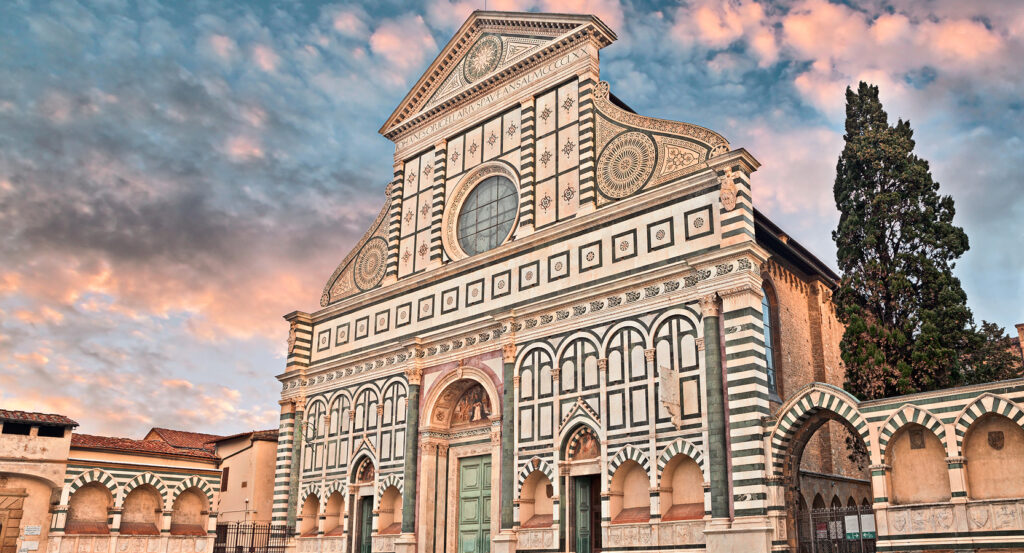
Start the morning with breakfast in the hotel's traditional dining room, then walk to Santa Maria Novella's marble façade, admiring its geometric Renaissance perfection. Continue toward the Duomo and Baptistery before crowds form, absorbing the rich detail of Brunelleschi's dome and the city's medieval streets. Late morning, wander toward Piazza della Signoria, the Uffizi, or the artisan shops in the Oltrarno, each just a gentle stroll away. Return to the hotel for a midday break, enjoying a quiet moment in your room or visiting the spa for a sauna or steam session before heading back out refreshed. Spend the afternoon exploring San Lorenzo Market, the Medici Chapels, or smaller, lesser-known museums that deepen your connection to Florence's artistic legacy. As evening settles over the city, enjoy dinner at a nearby trattoria, then take a leisurely walk along the Arno, admiring reflections of the city's lights on the river before heading back to the hotel's warm embrace.
Where your story begins.
Foresyte Travel reveals places that feel extraordinary long before you arrive.
Experience premium editorial crafted for luxury travelers.




















































































































