Why you should experience Abra Water Taxi in Dubai, United Arab Emirates.
Abra Water Taxi is a historic Dubai Creek transportation experience where Al Fahidi's trading heritage, maritime tradition, everyday local life, and timeless waterfront culture preserve one of the city's most enduring customs.
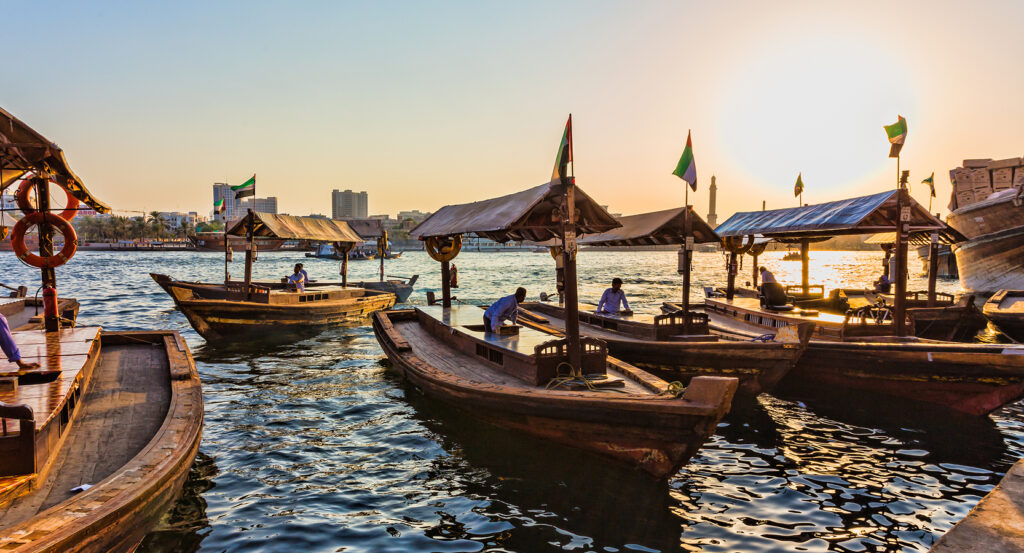
Operating across Dubai Creek between Al Fahidi, Deira Old Souk, and Al Sabkha, the traditional wooden abras glide past thriving souks, historic merchant houses, working dhows, and centuries of commercial activity that established Dubai as the Gulf's leading trading port. Their simple timber construction, open-air seating, and steady crossings offer an authentic perspective of the creek that shaped the city's earliest development. The result is an experience defined by cultural continuity, maritime heritage, and everyday authenticity.
What you should know about Abra Water Taxi.
Abra Water Taxi is best known for preserving Dubai's oldest continuously operating form of public transportation, with traditional wooden abras carrying passengers across Dubai Creek for generations before the Roads and Transport Authority formally integrated the service into the city's modern public transit network while retaining its historic character. The word abra derives from the Arabic verb meaning “to cross,” reflecting the vessels' original purpose of linking the commercial districts of Bur Dubai and Deira long before bridges connected both sides of the creek. Built from wood and powered by compact marine engines, each vessel typically accommodates about twenty passengers while maintaining the traditional profile that has defined creek transportation throughout the twentieth century. Today the service operates from multiple stations including Bur Dubai, Deira Old Souk, Al Sabkha, and Dubai Old Souk, completing crossings in only a few minutes while continuing to serve residents, workers, and visitors alike. The abras remain an essential component of Dubai Creek's UNESCO World Heritage nomination, illustrating how maritime commerce, pearl diving, and regional trade transformed a small fishing settlement into one of the Middle East's foremost commercial centers while preserving an authentic element of the city's daily life.
Handcrafted wooden hulls, compact open-air decks, active trading waterways, and uninterrupted creek views continually reinforce the enduring relationship between Dubai and its maritime heritage. Every crossing reveals traditional souks, historic neighborhoods, working cargo dhows, and a skyline that reflects the city's extraordinary evolution while preserving a transportation tradition that remains indispensable to everyday life. Abra Water Taxi continues demonstrating how cultural preservation, practical mobility, and maritime history collectively define one of Dubai's most authentic experiences.
How to fold Abra Water Taxi into your trip.
Abra Water Taxi works as part of a curated exploration through Dubai Creek's historic waterfront and traditional marketplaces.
Begin at Al Fahidi Historical Neighborhood, where restored wind-tower architecture introduces Old Dubai before boarding an Abra Water Taxi across the creek. Continue to Dubai Gold Souk, whose internationally renowned jewelry merchants demonstrate the commercial traditions that have flourished along the waterfront for generations. Conclude at Dubai Spice Souk, where fragrant spices, herbs, teas, and traditional goods provide a fitting finale celebrating the trading culture that established Dubai Creek as the historic heart of the city. The progression moves naturally from historic architecture to traditional creek transportation before concluding through Dubai's celebrated marketplaces, revealing why Abra Water Taxi remains one of the city's most authentic cultural experiences.
Where your story begins.
Foresyte Travel reveals places that feel extraordinary long before you arrive.
Experience premium editorial crafted for luxury travelers.