Why Old Dubai matters.
Old Dubai is the historic soul of the emirate, where traditional souks, wind-tower architecture, and centuries of maritime commerce converge along the waters of Dubai Creek.
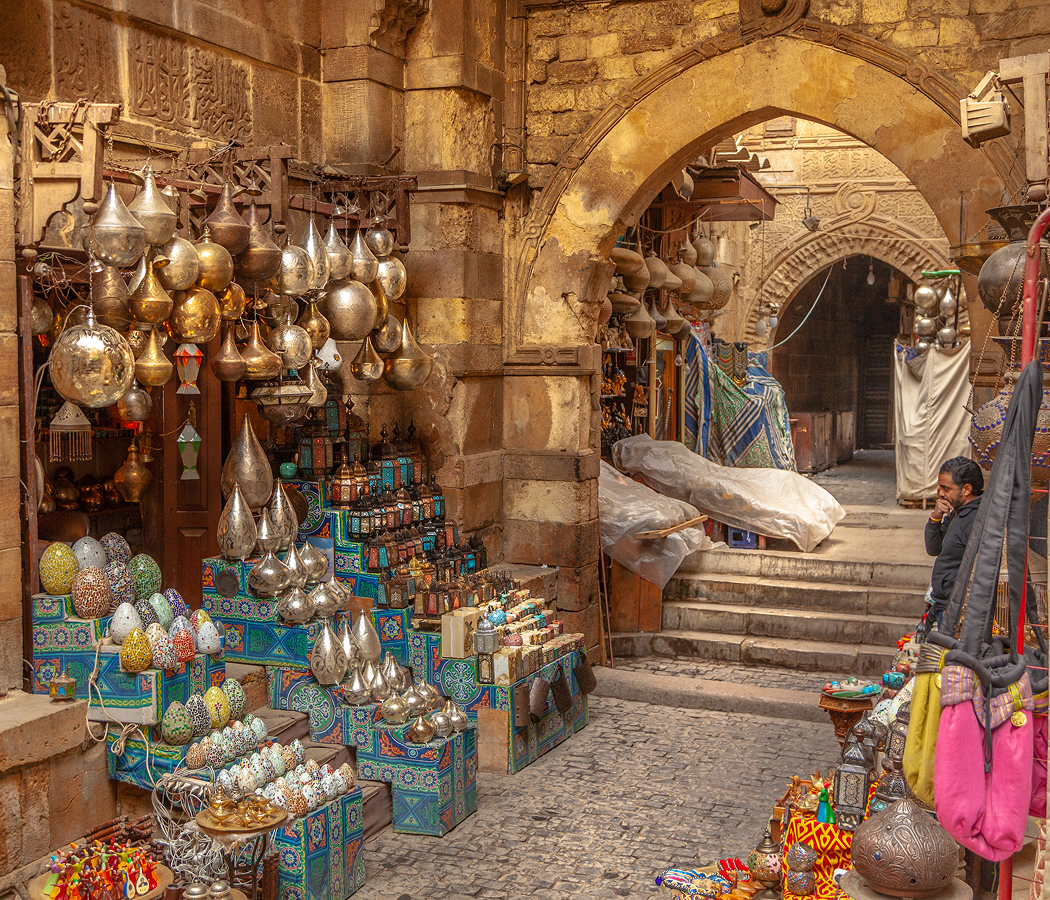
Narrow alleyways weave between coral-stone buildings, restored merchant houses, thriving marketplaces, and waterfront docks that preserve the physical foundations of a city once sustained by fishing, pearling, and regional trade. Wooden abras shuttle passengers across the creek just as they have for generations. The scent of saffron, frankincense, and cardamom drifts through market lanes crowded with traders, shoppers, and visitors moving between some of the most iconic commercial districts in the Gulf. Minarets rise above historic neighborhoods where courtyards, wind towers, and shaded passageways reveal how communities adapted to life in the desert long before air conditioning and skyscrapers. Across the water, the historic districts of Bur Dubai and Deira continue their centuries-old relationship through the steady movement of boats and commerce. Every street, dock, and market stall contributes to a living urban landscape that tells the story of Dubai before its transformation into a global metropolis.
What defines Old Dubai.
Old Dubai is best known for being centered around Dubai Creek, the natural seawater inlet that served as the foundation of the city's rise as a trading and commercial hub.
Long before the construction of Sheikh Zayed Road, Burj Khalifa, or the city's modern skyline, Dubai Creek functioned as the economic lifeline of the settlement. Merchant vessels arrived from across the Arabian Gulf, East Africa, Persia, and the Indian subcontinent carrying goods that helped establish Dubai as one of the region's most important trading ports. Communities grew along both banks of the creek, giving rise to the districts that would eventually become Bur Dubai and Deira. The waterway shaped settlement patterns, commerce, culture, and governance throughout the emirate's formative years. Its importance remains visible today through the historic souks, restored heritage districts, and active waterfronts that continue to define Old Dubai. Few places offer a clearer understanding of how a small trading settlement evolved into one of the world's most influential cities.
How Old Dubai fits.
Old Dubai works as a journey through the landmarks, marketplaces, and waterfronts that preserve the city's earliest identity.
Begin at Al Fahidi Historical Neighbourhood, where restored wind-tower houses and cultural institutions immediately reveal the architectural character of pre-oil Dubai. Continue toward Dubai Creek, whose active waterfront and traditional abras provide direct insight into the waterway that shaped the city's development. From there, make your way to the Gold Souk, where generations of merchants helped establish Dubai's reputation as a regional center of trade and commerce. Along the route, you'll encounter the Spice Souk, Al Seef, the Dubai Museum area, traditional dhow docks, and countless heritage sites that reward exploration. The progression moves naturally from historic architecture to maritime history to commercial tradition, revealing the forces that built modern Dubai. Old Dubai remains the most important cultural district in the emirate, preserving an extraordinary connection to the people, industries, and traditions that laid the foundations of the city.
Where your story begins.
Foresyte Travel reveals places that feel extraordinary long before you arrive.
Enjoy editorial crafted for luxury travelers.
Foresyte may earn a commission when you book.