
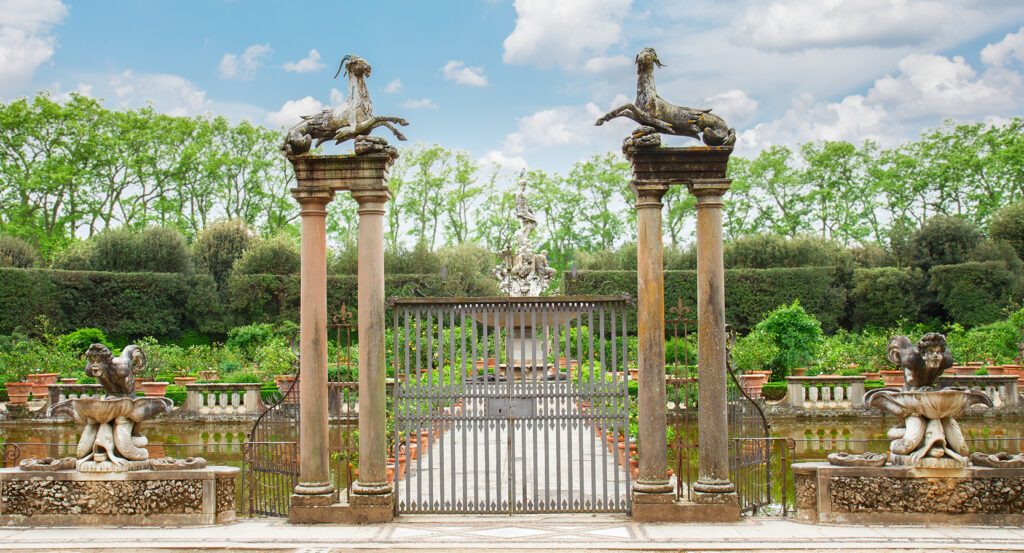
Why you should experience The Cerchiate at Boboli Gardens in Florence, Italy.
The Cerchiate at Boboli Gardens in Florence is among the garden's most enchanting hidden passages, a living corridor of green that blurs the line between architecture and nature.
Winding through a series of arched tunnels formed from trained holm oaks and laurel, the walk feels like stepping into a Renaissance daydream. Dappled sunlight filters through the leaves above, and every turn seems to conceal a secret, a marble statue, a glimpse of sky, or the sudden hush that comes when the city's hum disappears completely. The name “cerchiate” comes from the Italian for “arched,” and the effect is both intimate and surreal: a shaded sanctuary designed for quiet reflection and romantic strolls. Created during the Medici era, this walkway captures the Florentine mastery of controlled nature, where every branch, shadow, and curve was shaped to heighten the sense of wonder. Walking here isn't just an aesthetic experience; it's an act of slowing down, of letting yourself move through time as the Renaissance once intended.
What you should know about The Cerchiate at Boboli Gardens.
The Cerchiate is among the oldest surviving examples of a verde architettura, living green architecture, in all of Italy.
Planted in the late 16th century under the supervision of Bernardo Buontalenti, the same creative mind behind the Grotta del Buontalenti, the walkway was designed to evoke both mystery and order. The carefully pruned evergreens were chosen for their resilience, ensuring that the arched canopy would stay lush through every season. In its early days, this shaded promenade served as a retreat for noblewomen and scholars, who sought respite from the sun while discussing philosophy, poetry, and art. Some historians suggest that The Cerchiate was intentionally aligned to frame specific celestial views during solstices, linking it to the Medici fascination with astronomy. Over the centuries, it's been restored and reshaped, but the essence remains untouched, a living sculpture that continues to grow, breathe, and whisper the secrets of its creators.
How to fold The Cerchiate at Boboli Gardens into your trip.
To experience The Cerchiate at its most magnetic, visit in the early morning or just before sunset, when light pours through the leaves in soft golden patterns.
Start the stroll near the Knight's Garden, following the shaded route that meanders down toward the lower terraces. Move slowly, this isn't a path to rush through. Notice how the filtered light changes with each step, and pause to take in the small sculptures and benches tucked within the greenery. Bring a camera, but focus less on capturing and more on feeling, the atmosphere here is meant to be absorbed. In the summer, The Cerchiate offers a cool retreat from Florence's heat, while in autumn it transforms into a cathedral of gold and green. After emerging from the shaded arches, continue your walk toward the Isolotto Basin or stop for a quiet rest overlooking the Viottolone Avenue. The Cerchiate Walk is one of those rare places where silence becomes its own kind of music, a masterpiece of natural choreography that reminds you why Florence's gardens are as profound as its art.
Where your story begins.
Foresyte Travel reveals places that feel extraordinary long before you arrive.
Experience premium editorial crafted for luxury travelers.




















































































































