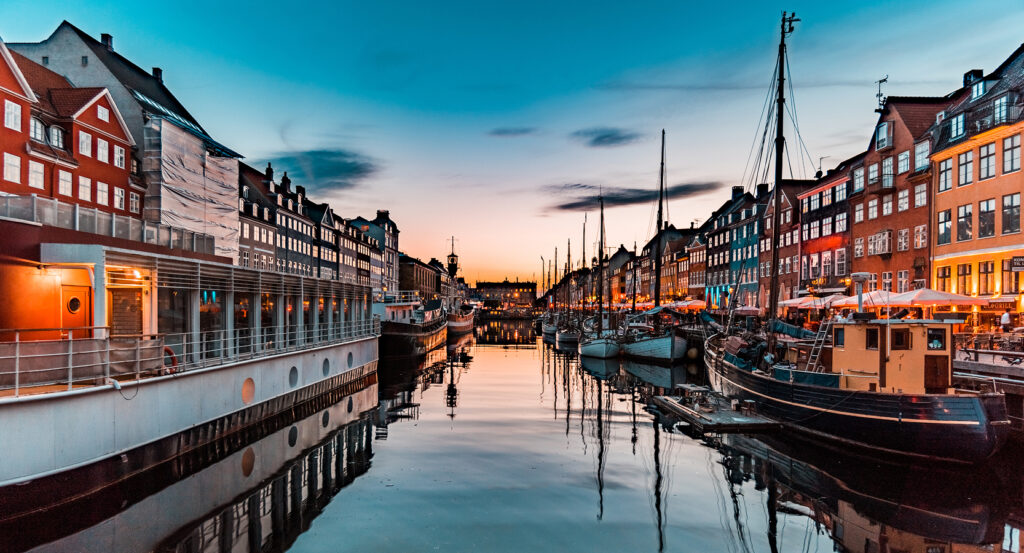
Why Christianshavn matters.
Christianshavn is a canal-laced maritime district where Dutch-inspired urban planning, historic waterfronts, and centuries of seafaring heritage converge at the edge of Copenhagen's harbor.
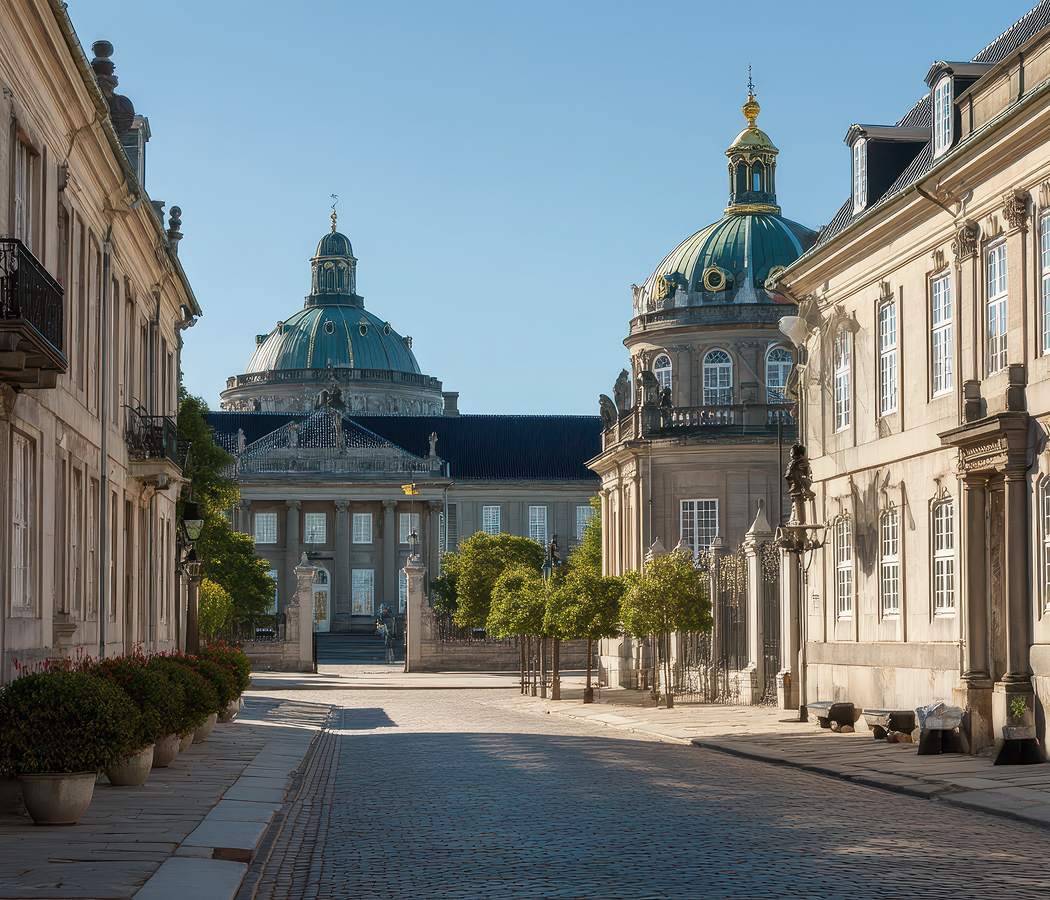
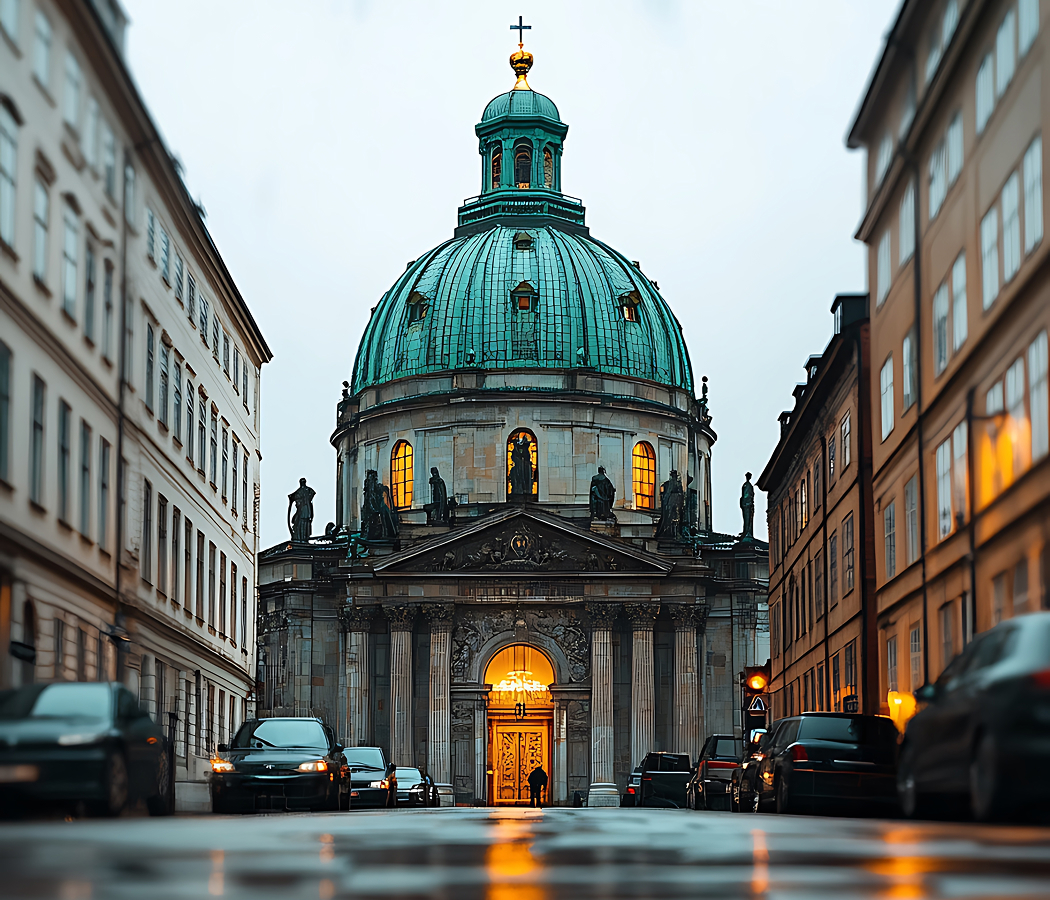
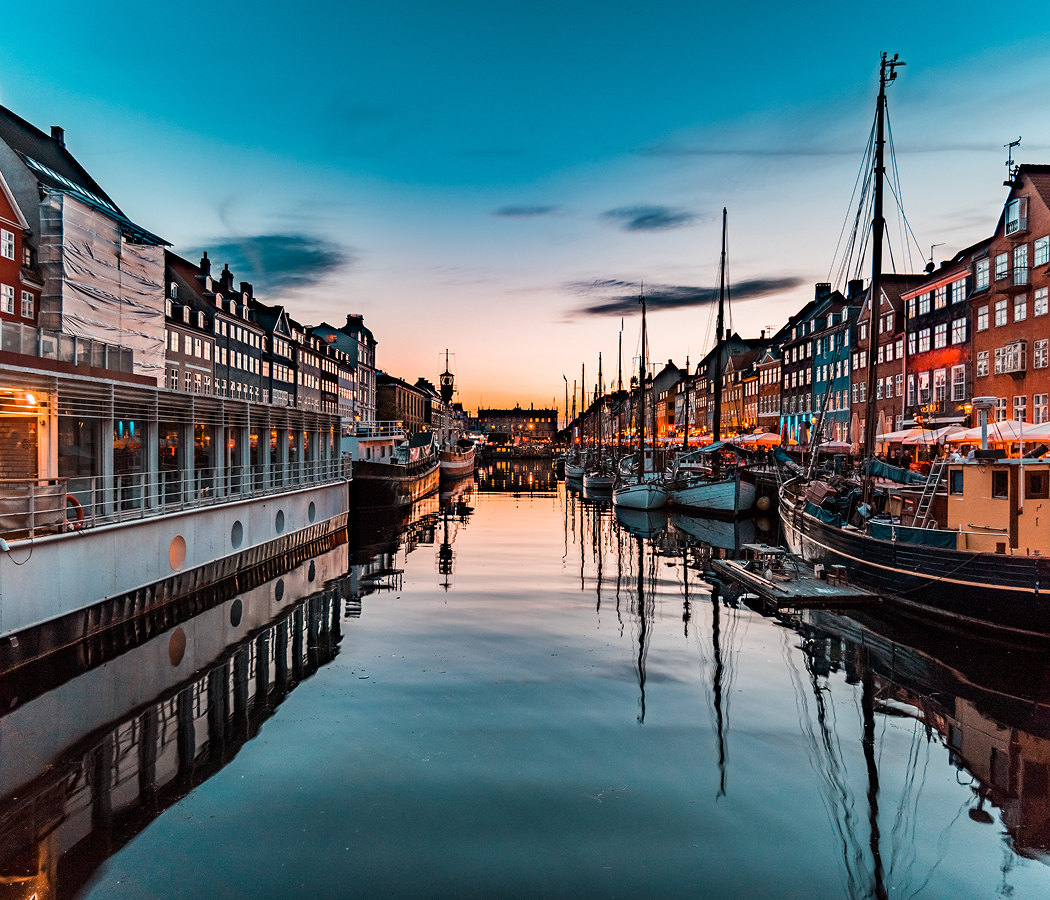
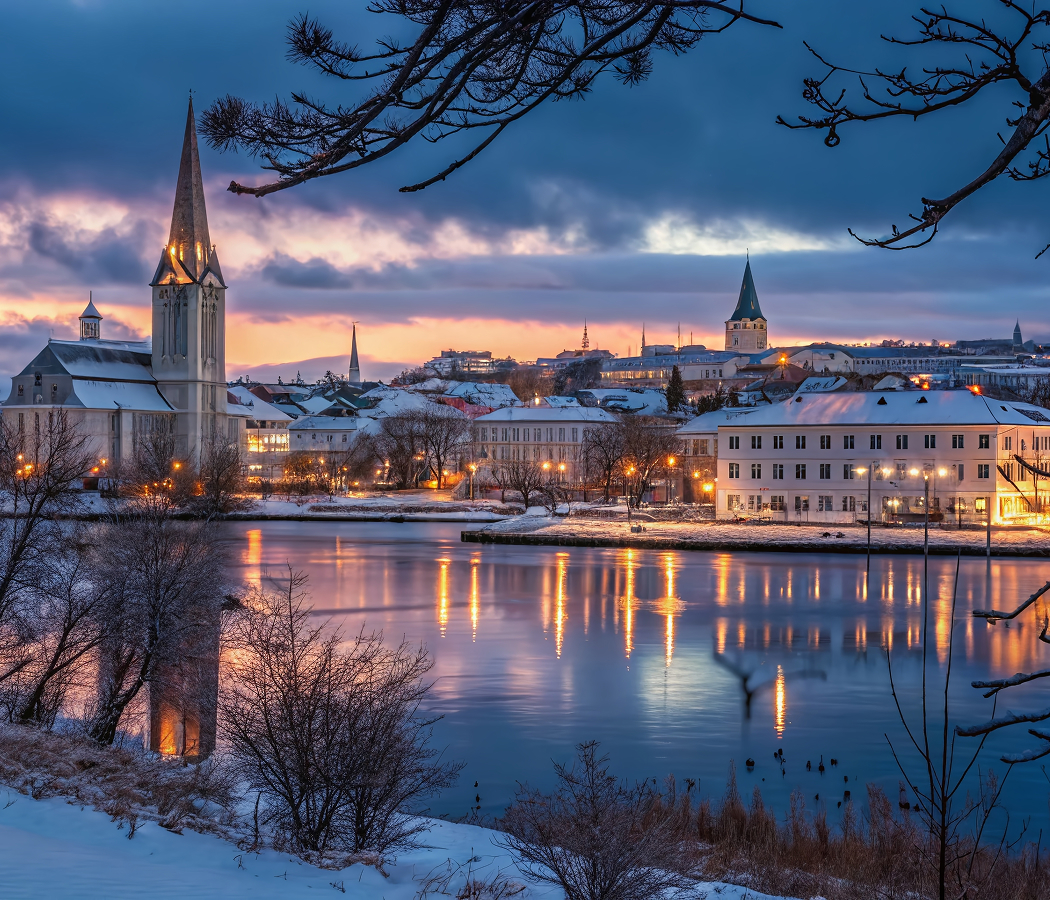
Narrow canals cut through orderly rows of colorful townhouses, houseboats bob gently against stone embankments, and church spires rise above a neighborhood originally designed to strengthen Copenhagen's role as a maritime power. Pedestrians cross drawbridges connecting islands shaped by merchants, sailors, craftsmen, and naval activity that helped define Denmark's relationship with the sea. The district's physical character remains inseparable from the water. Canal-side cafés occupy former warehouses. Historic vessels line harbor quays once crowded with commercial shipping. Cyclists move between waterfront promenades and cobbled streets where centuries-old buildings remain woven into everyday life. Across the harbor, the historic core of Indre By provides a constant visual presence, reinforcing Christianshavn's role as both an extension of the city center and a world unto itself. Every canal, bridge, and waterfront lane contributes to one of the most distinctive urban landscapes in Northern Europe.
What defines Christianshavn.
Christianshavn is best known for being planned in the early seventeenth century as a Dutch-style canal district by King Christian IV, making it among the most distinctive examples of Dutch urban influence outside the Netherlands.
Established in 1618 as part of Copenhagen's fortification and expansion efforts, the district was intentionally modeled after Dutch trading cities whose canal systems supported commerce, transportation, and defense. Engineers and planners created a network of waterways that remains largely intact today, giving Christianshavn its unmistakable character more than four centuries later. The neighborhood became an important center of maritime trade, naval activity, and industrial development, contributing significantly to Copenhagen's growth as a regional power. Over time, warehouses evolved into homes, cultural institutions, restaurants, and public spaces while preserving the district's historic relationship with the harbor. Few neighborhoods in Scandinavia display such a direct and visible connection between their original urban design and contemporary identity.
How Christianshavn fits.
Christianshavn works as an exploration of canals, maritime landmarks, and waterfront spaces that reveal Copenhagen's historic relationship with the sea.
Begin at Church of Our Saviour, whose spiraling external staircase delivers one of the most celebrated panoramic views in the city. Continue toward Christianshavn Canal, where waterside streets, historic buildings, and passing boats immediately reveal the neighborhood's Dutch-inspired layout. From there, make your way to Freetown Christiania, among Europe's most famous alternative communities and a cultural landmark that has shaped the district's character for decades. Along the route, you'll encounter the Copenhagen Opera House across the harbor, historic warehouses, bridge crossings, canal-side cafés, and waterfront promenades that reward slow exploration. The progression moves naturally from architectural icon to urban design masterpiece to cultural curiosity, revealing the forces that continue to shape the neighborhood. Christianshavn remains one of the city's most captivating districts, preserving an extraordinary blend of maritime history, urban beauty, and cultural individuality.
Where your story begins.
Foresyte Travel reveals places that feel extraordinary long before you arrive.
Enjoy editorial crafted for luxury travelers.
Foresyte may earn a commission when you book.