Why Indre By matters.
Indre By is the historic heart of Denmark's capital, where royal palaces, centuries-old streets, and the civic institutions of a kingdom converge within one of Europe's most beautifully preserved urban centers.
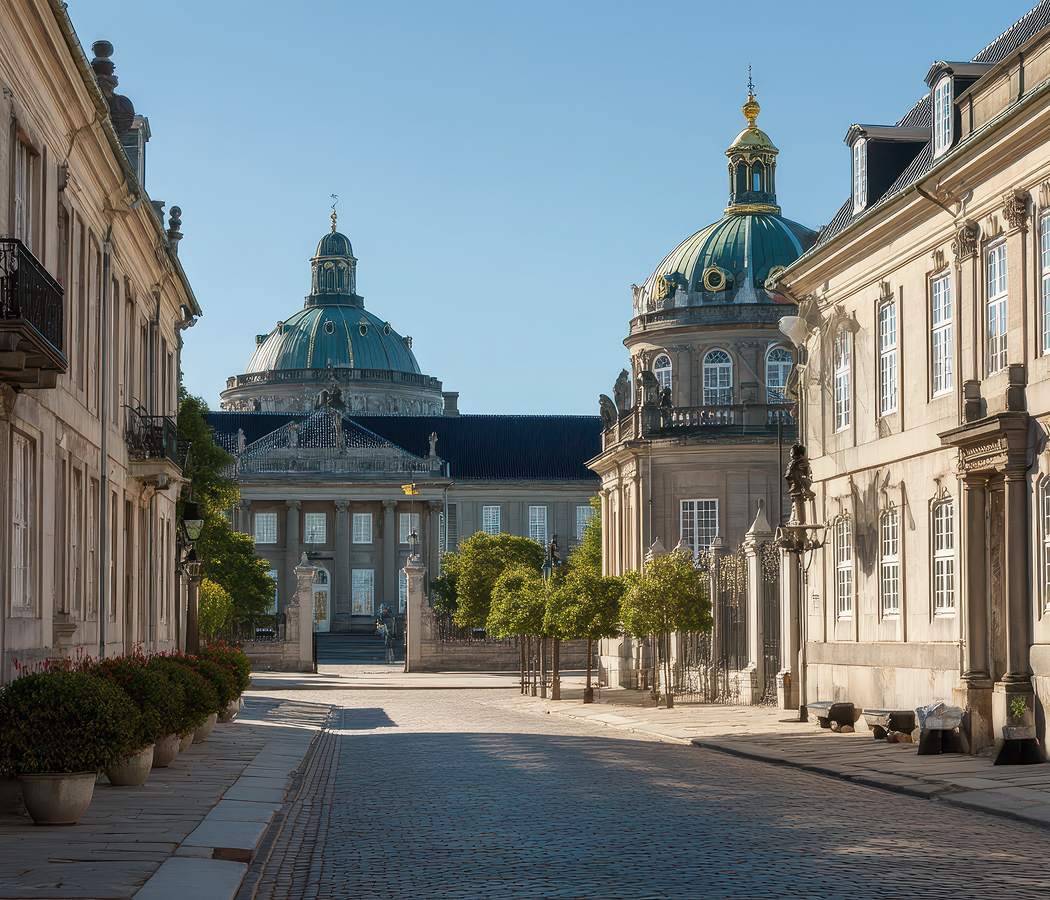
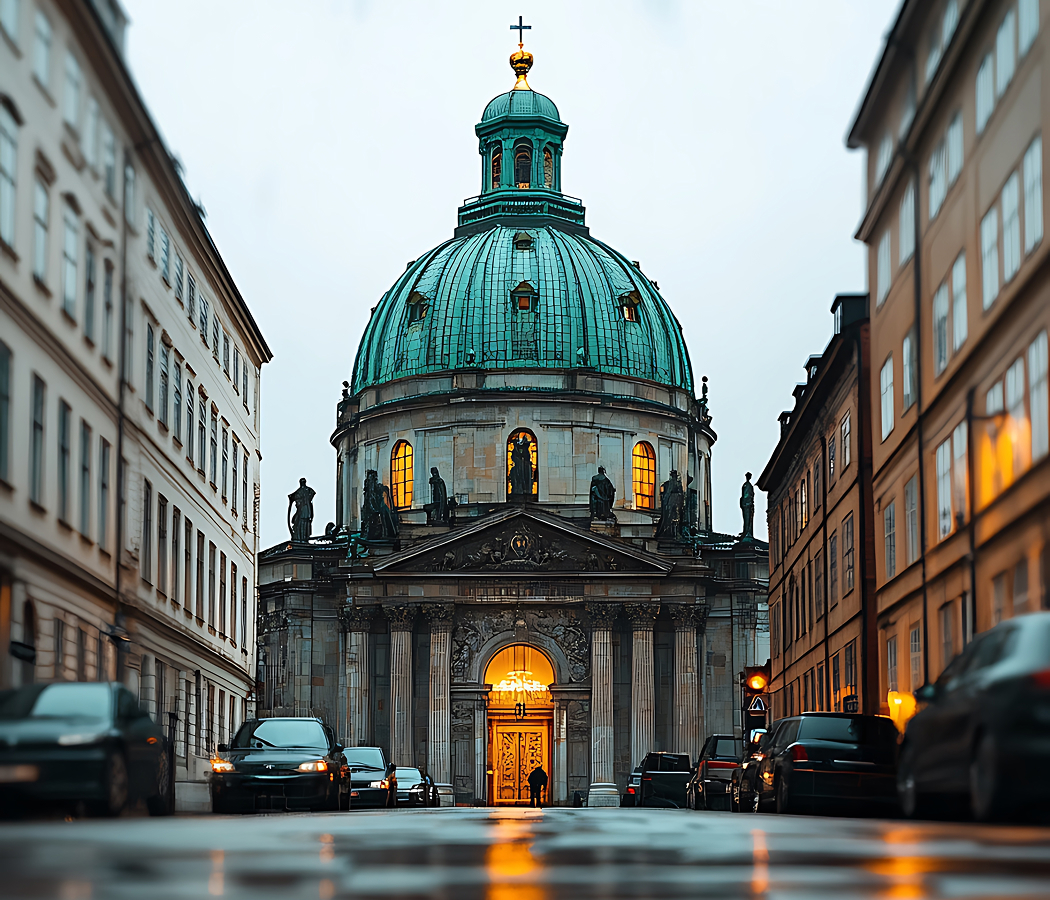
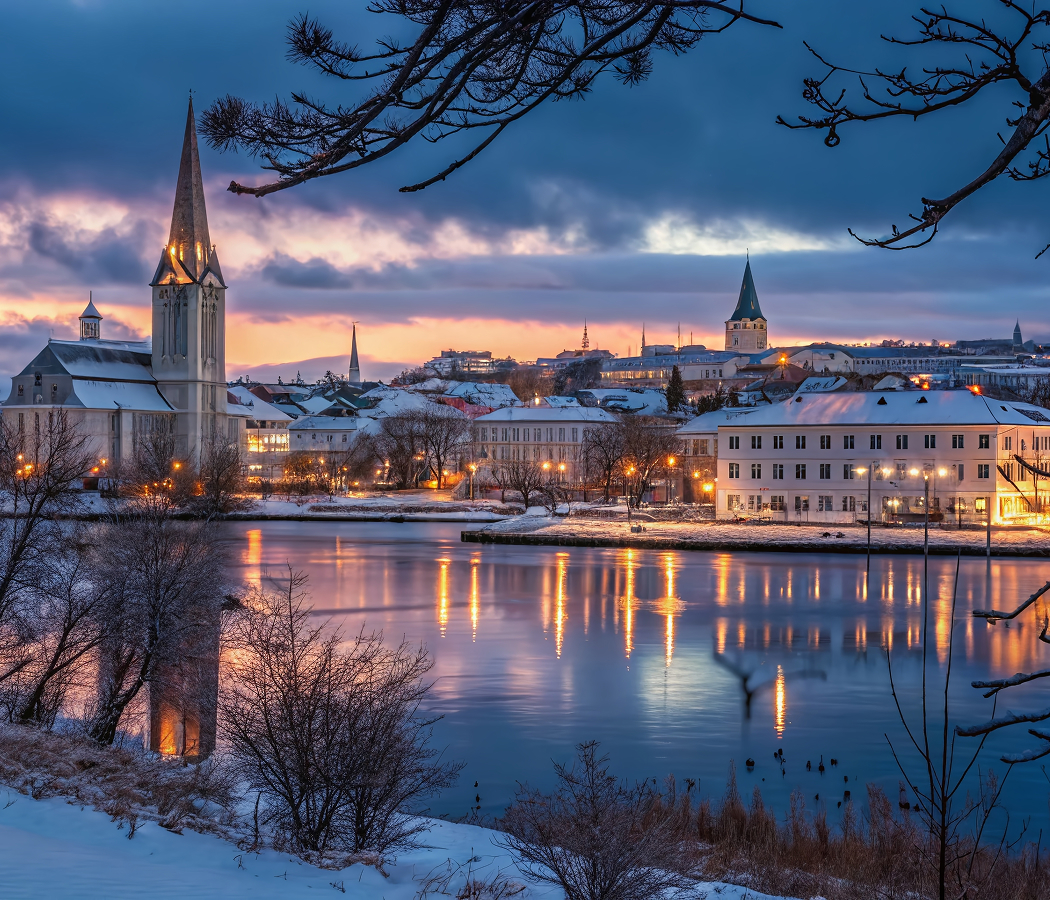
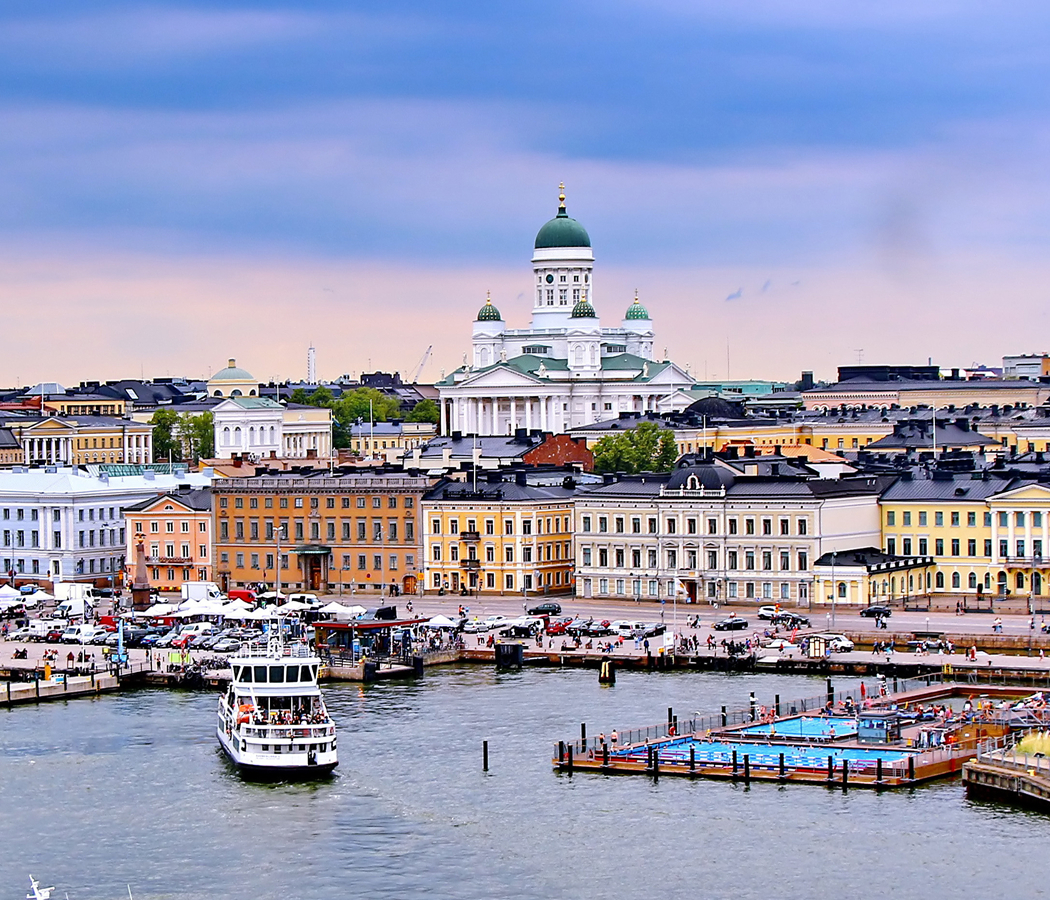
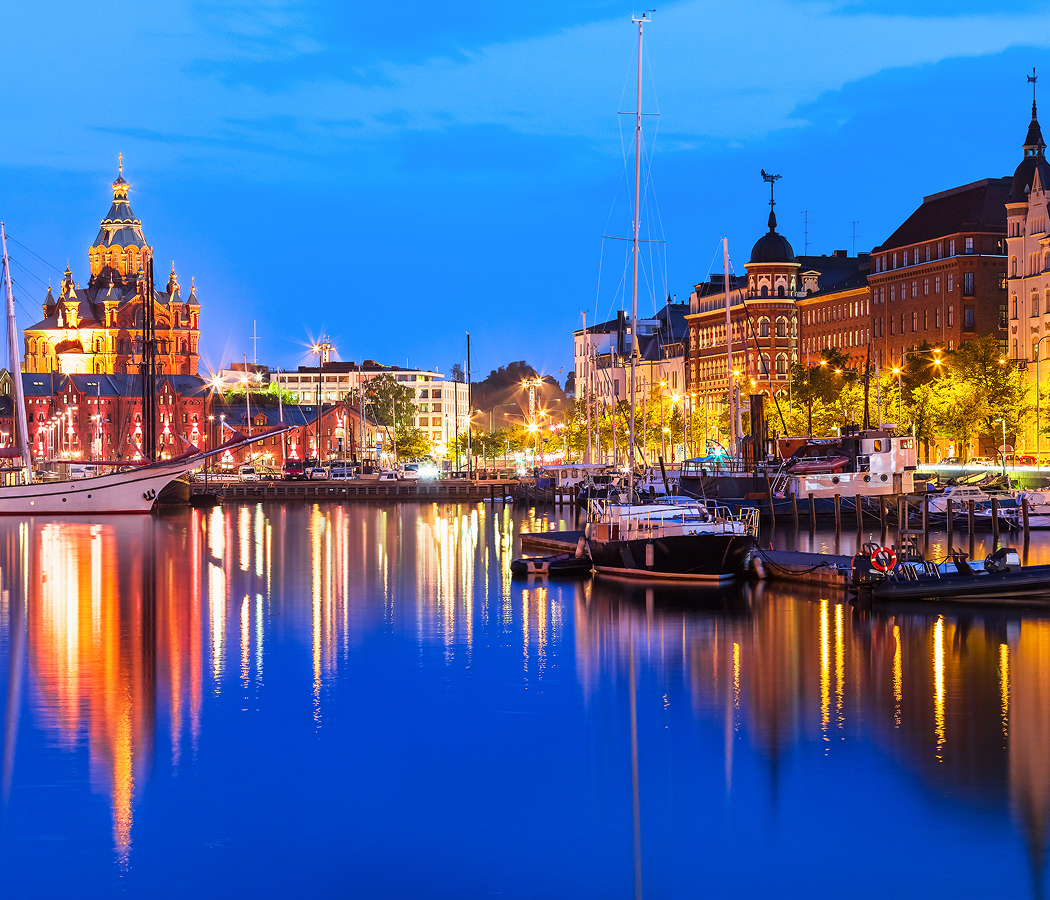
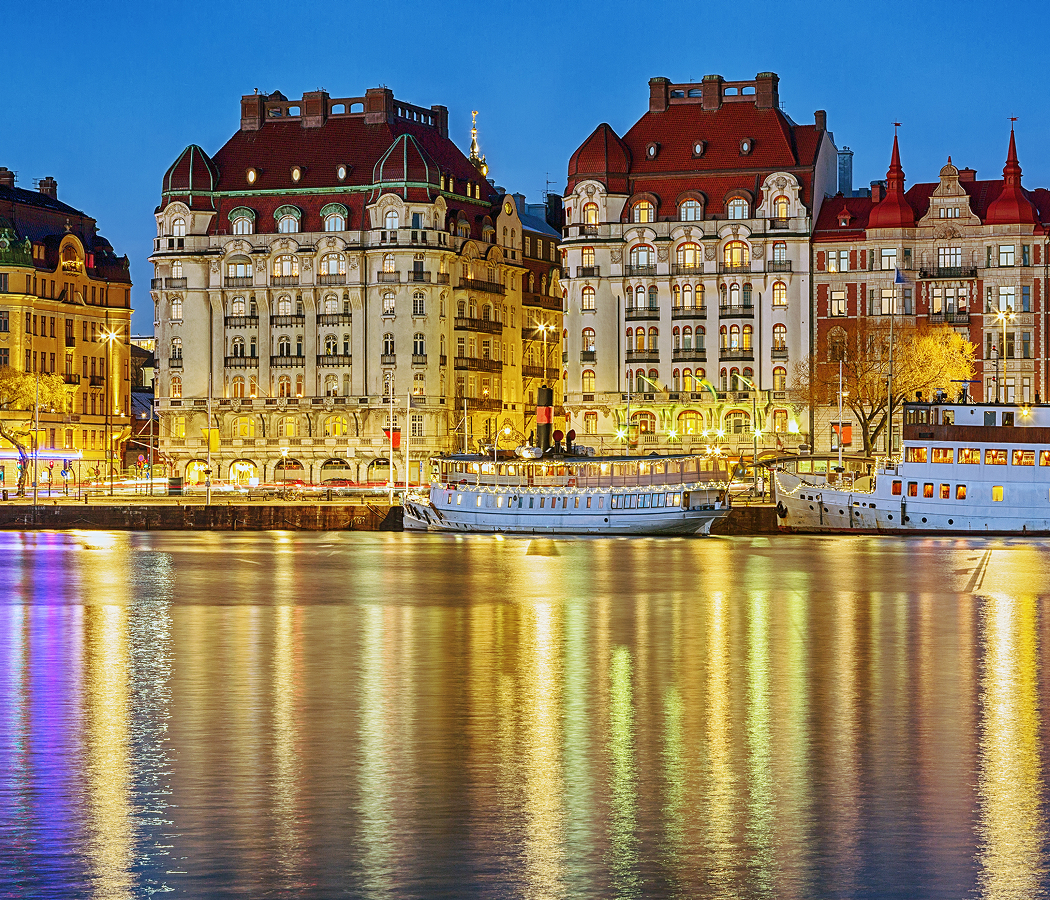
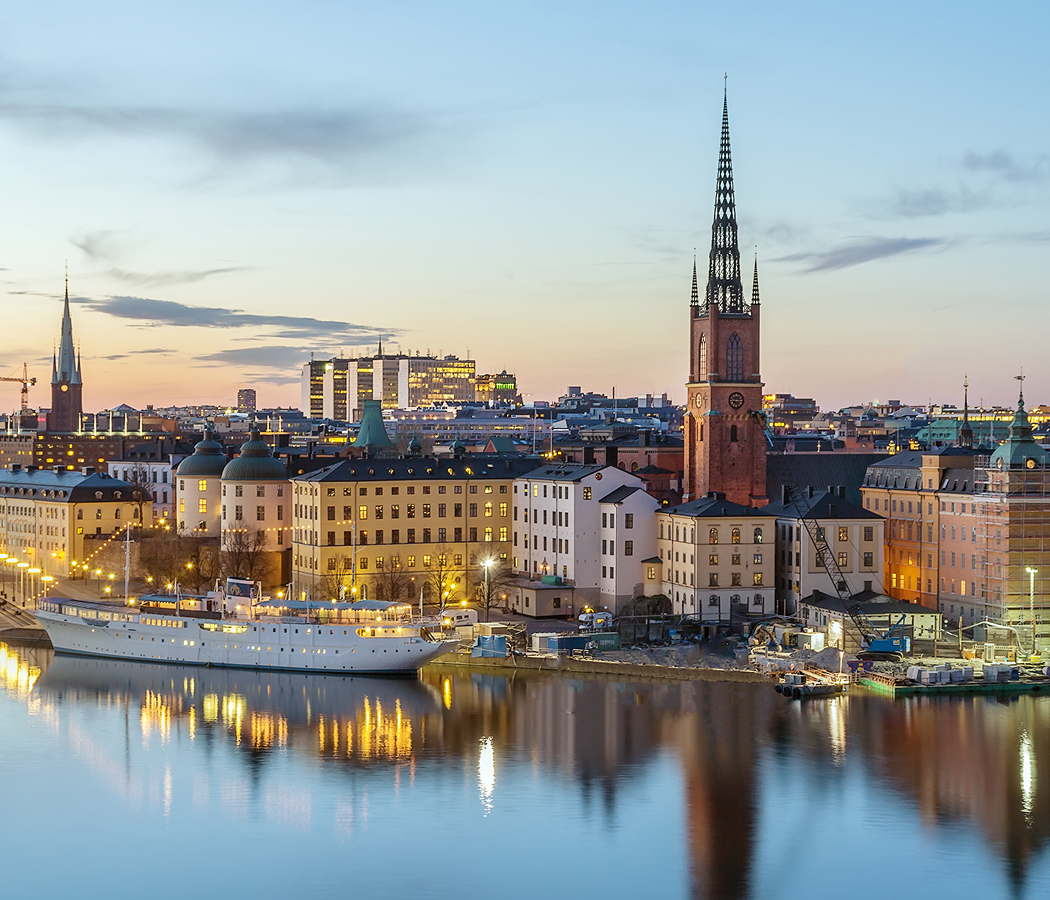
Copper spires rise above medieval streets that have witnessed merchants, monarchs, scholars, and statesmen shaping the course of Danish history for nearly a thousand years. Grand public squares connect royal residences, museums, canals, churches, and government buildings that collectively form the symbolic center of the nation. Cyclists flow through streets originally laid out long before the automobile while cafés and restaurants occupy historic buildings overlooking cobblestone plazas. The atmosphere feels both expansive and approachable. Street musicians perform beneath historic facades. Canal boats glide through waterways that once powered commerce across the city. Elegant shopping streets connect cultural landmarks that remain woven into everyday life. Just north, Østerbro's residential boulevards extend naturally from the historic core, reinforcing Indre By's role as the geographic and cultural center of Copenhagen. Every block reveals another chapter of a city that has successfully balanced preservation with modern urban life.
What defines Indre By.
Indre By is best known for being home to Strøget, among the world's longest pedestrian shopping streets and a pioneering example of modern car-free urban planning.
When large sections of Strøget were pedestrianized in 1962, the decision was considered dramatic by many urban planners and business owners. The experiment proved enormously successful, helping transform Copenhagen into a global leader in pedestrian-friendly city design. The street became a model studied by urban planners around the world and helped establish principles that continue to influence city-making today. Beyond its planning significance, Strøget links many of Copenhagen's most important public spaces, cultural landmarks, and historic institutions. The broader district contains the city's medieval core, royal palaces, civic buildings, and historic commercial corridors that have shaped Danish life for centuries. Few neighborhoods in Europe have exerted such influence on both urban design and national character as Indre By.
How Indre By fits.
Indre By works as a journey through the landmarks, public spaces, and institutions that define Denmark's capital.
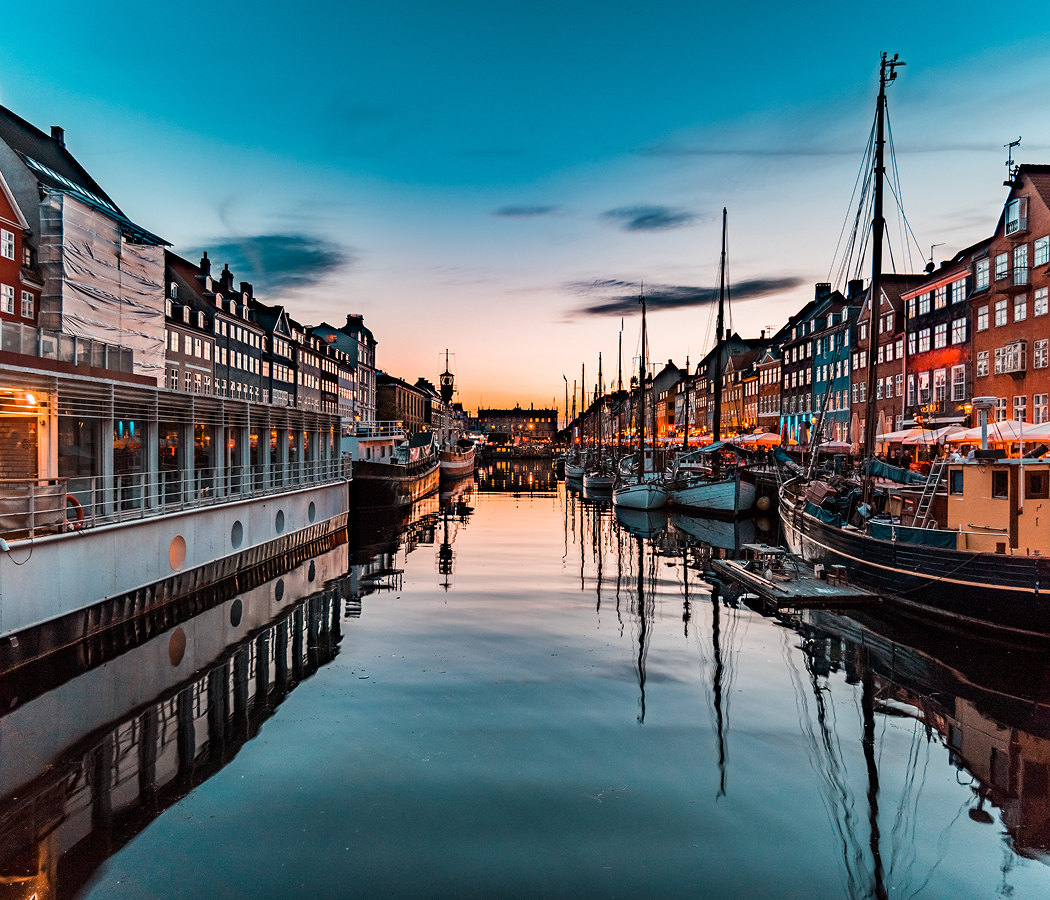
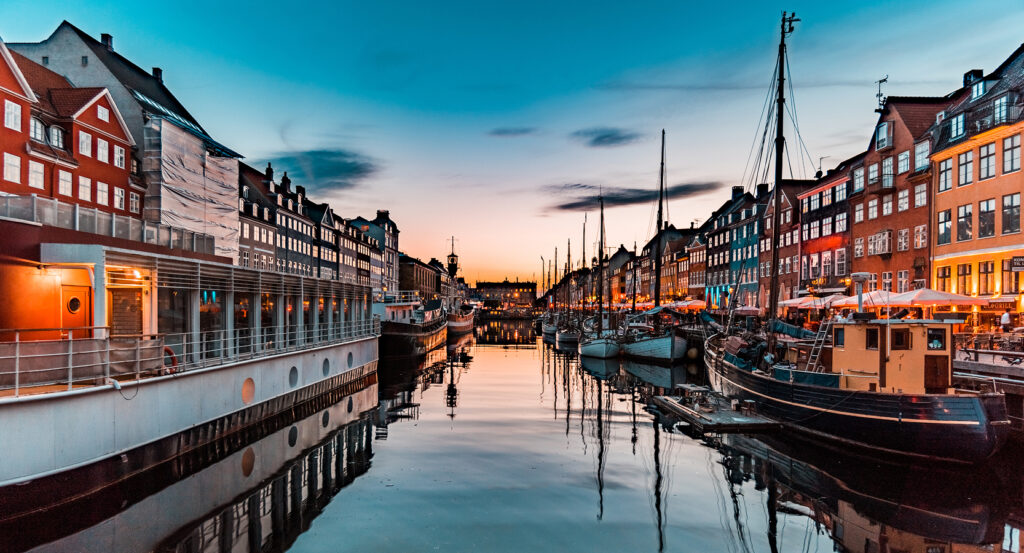
Begin at Strøget, where the district's role as a center of commerce, public life, and urban innovation immediately comes into focus. Continue toward Christiansborg Palace, the seat of the Danish Parliament, Prime Minister's Office, and Supreme Court, making it among the few buildings in the world to house all three branches of government. From there, make your way to Nyhavn, the iconic waterfront lined with colorful townhouses, historic ships, and some of Copenhagen's most recognizable views. Along the route, you'll encounter Amalienborg Palace, Rundetaarn, Kongens Nytorv, Rosenborg Castle, the National Museum of Denmark, and countless streets that reward exploration. The progression moves naturally from urban innovation to national governance to maritime heritage, revealing the forces that shaped both Copenhagen and Denmark itself. Indre By remains one of Europe's great historic city centers, preserving a remarkable concentration of history, culture, and civic life within a walkable urban landscape.
Where your story begins.
Foresyte Travel reveals places that feel extraordinary long before you arrive.
Enjoy editorial crafted for luxury travelers.
Foresyte may earn a commission when you book.