Why Collins Avenue matters.
Collins Avenue is an animated corridor where Mid-Beach's resort heritage, coastal setting, architectural innovation, and tropical landscape continue defining one of South Florida's most celebrated waterfront streets.
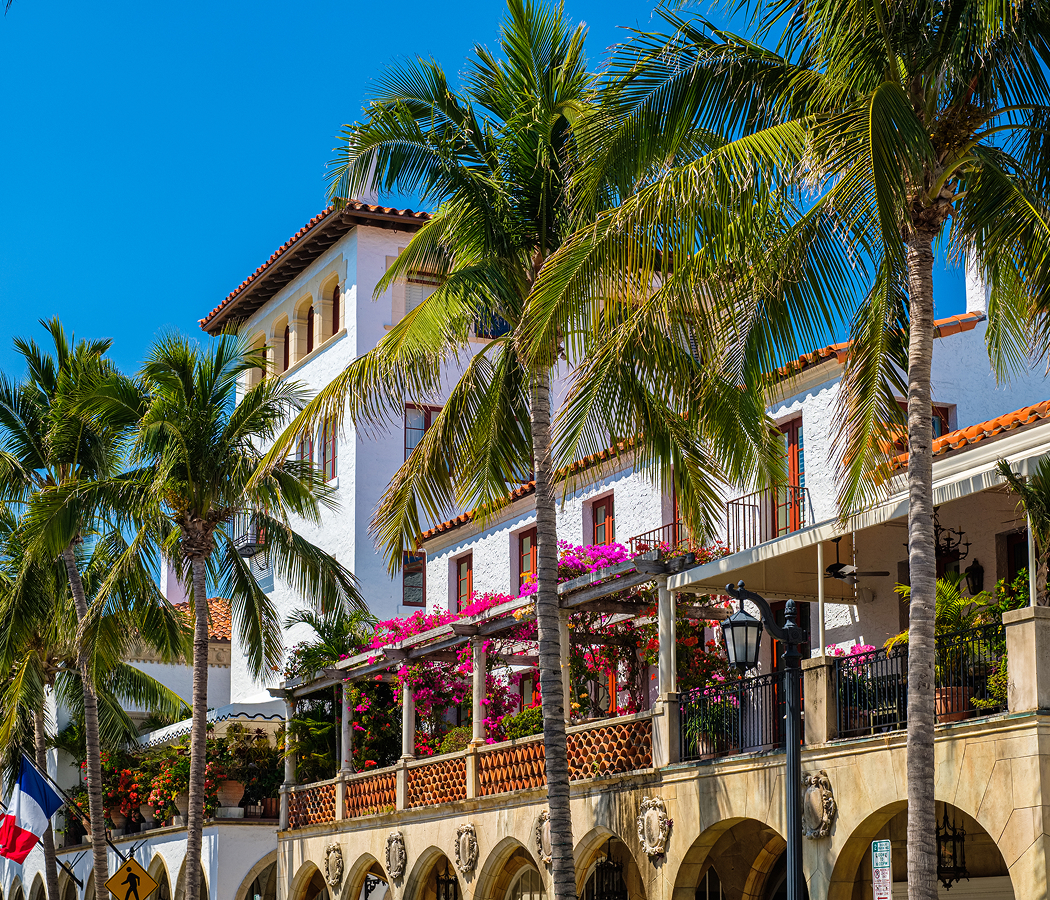
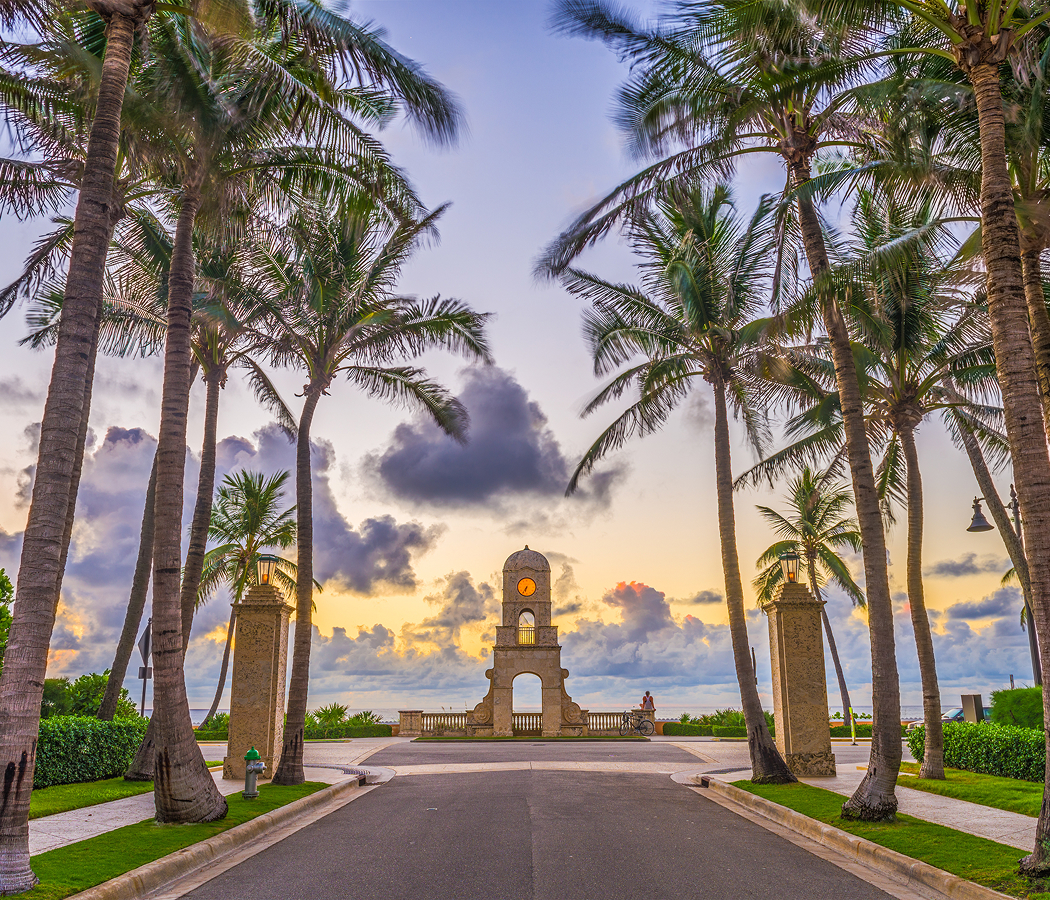
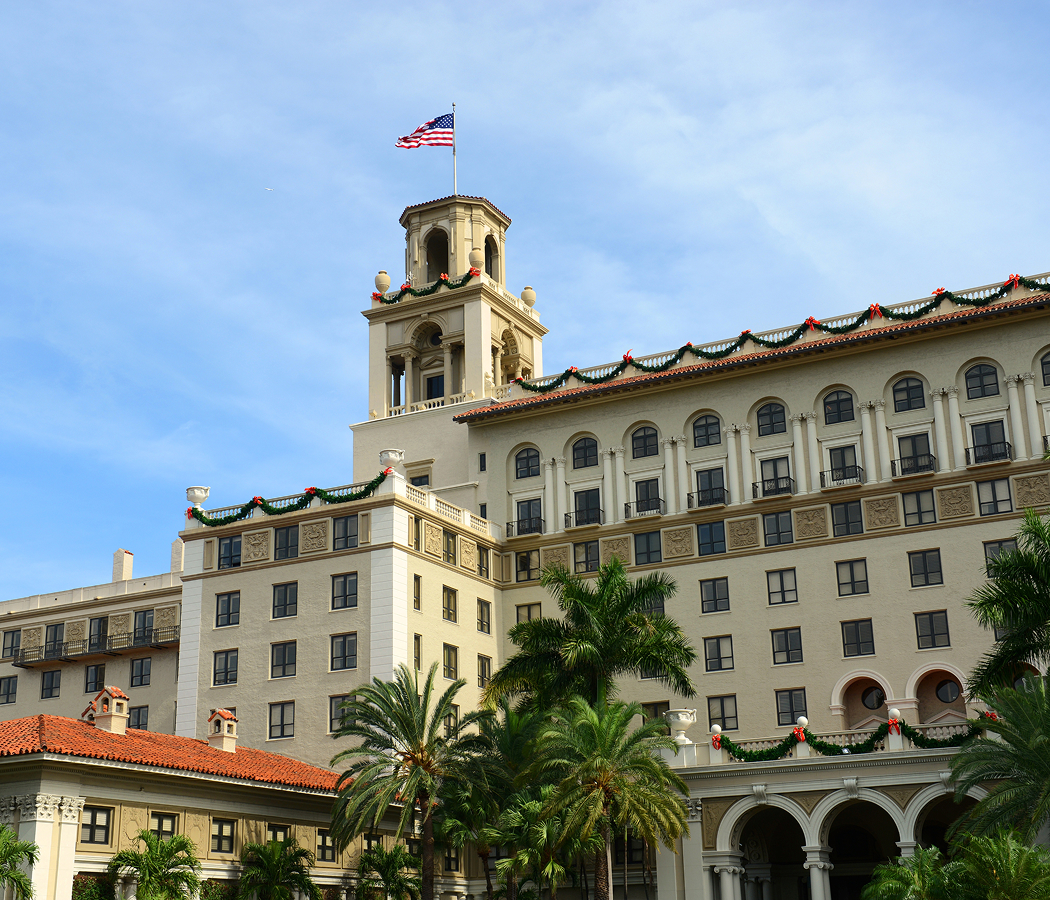
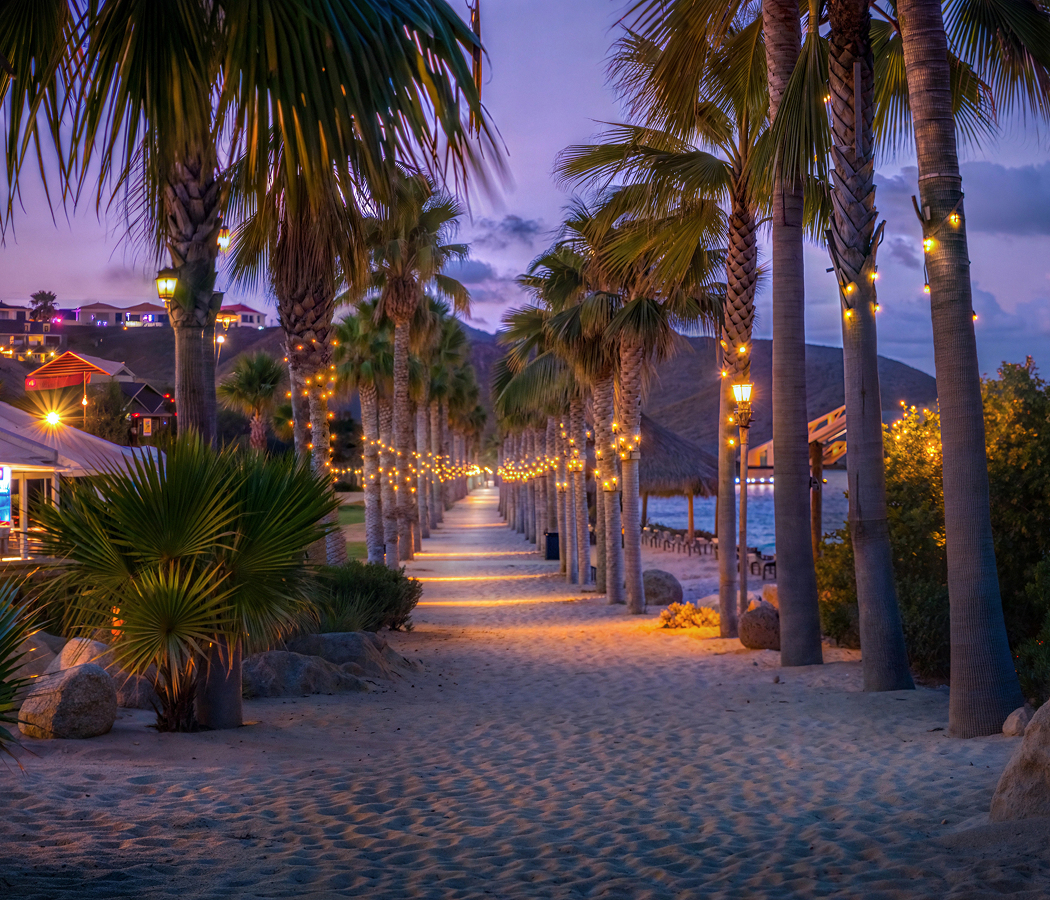
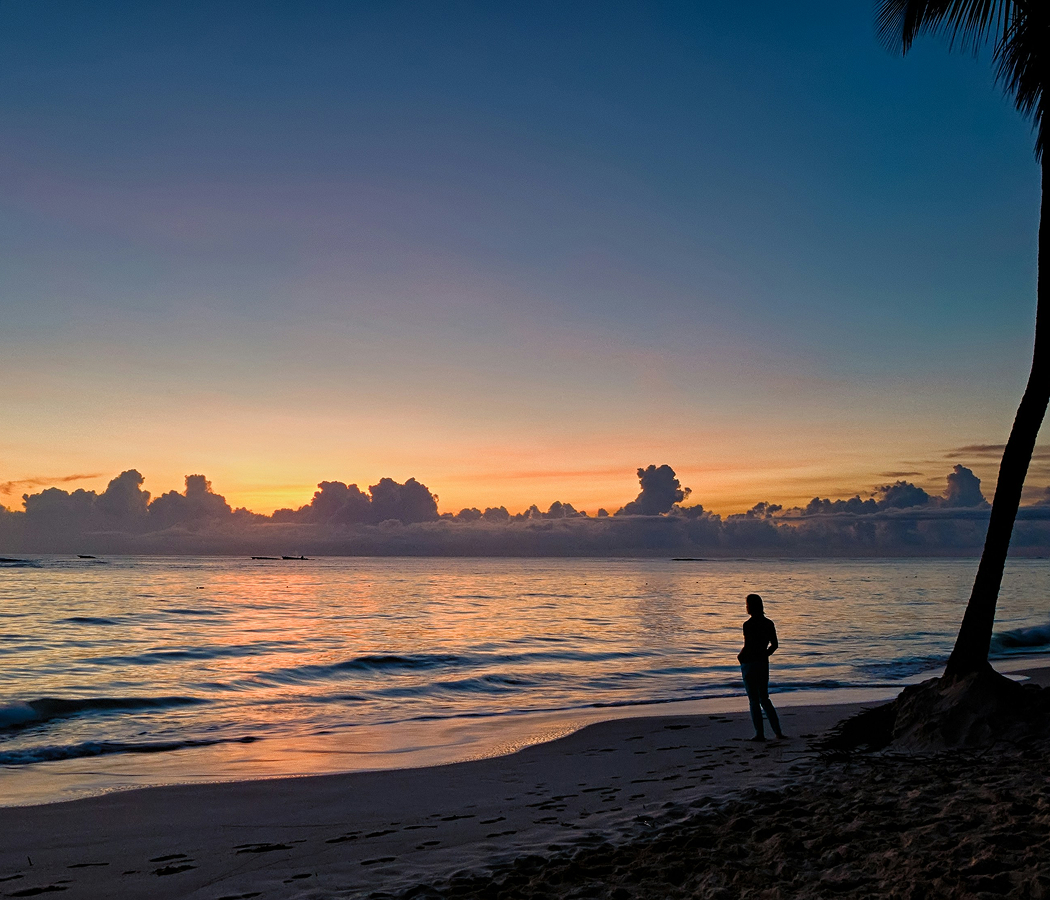
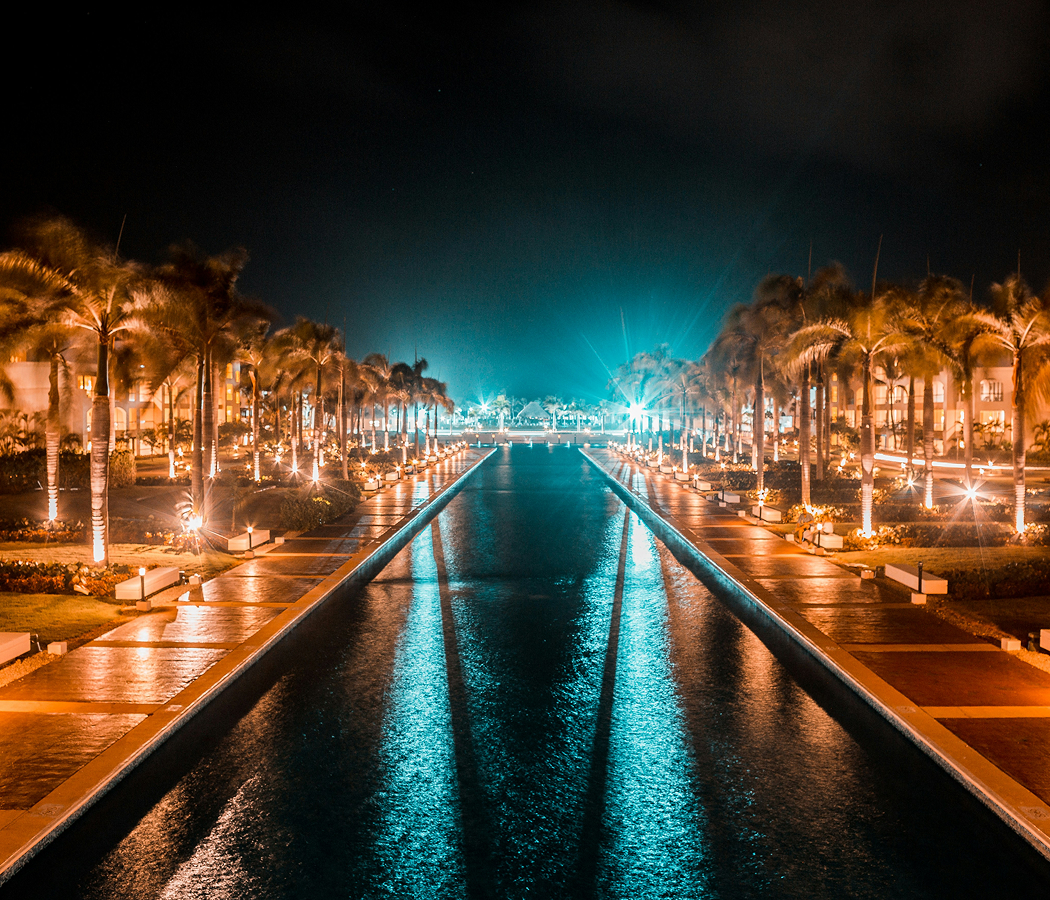
Running through Mid-Beach between Surfside and City Center, the corridor follows the Atlantic shoreline while connecting architect-designed hotels, distinguished residential towers, cultural destinations, shaded promenades, and broad beaches that collectively reflect decades of architectural ambition and coastal development. Art Deco buildings, Streamline Moderne hotels, Mid-Century Modern resorts, and contemporary waterfront architecture create a streetscape where preservation and innovation remain closely balanced. Throughout the corridor, carefully maintained public spaces, mature royal palms, and architecturally significant buildings reinforce a setting shaped by thoughtful planning and an enduring relationship with the Atlantic Ocean. The result is an experience defined by coastal elegance, architectural distinction, and one of Miami's most compelling waterfront corridors.
What defines Collins Avenue.
Collins Avenue is best known as the principal north-south roadway developed along Miami Beach's Atlantic shoreline, tracing the barrier island's eastern edge while supporting successive generations of residential, hospitality, and civic development beginning during the early twentieth century. The corridor expanded rapidly following Carl G. Fisher's promotion of Miami Beach during the 1910s and 1920s, producing an exceptional collection of Mediterranean Revival, Art Deco, Streamline Moderne, Miami Modern, and contemporary architecture that documents more than a century of urban growth. Architects including Henry Hohauser, L. Murray Dixon, Morris Lapidus, Melvin Grossman, Norman Giller, and Igor Polevitzky contributed distinctive façades through glass block, sweeping horizontal lines, curved corners, brise-soleil, terrazzo entrance courts, ribbon windows, and sculptural concrete forms that helped establish Miami Beach's architectural identity. Collins Avenue also parallels one of Florida's longest continuous barrier islands, where coastal dunes, Atlantic beaches, native sea oats, sea grape, railroad vine, cocoplum, and dune sunflower contribute to an ecological system that protects the shoreline from erosion and storm surge. Royal palms, coconut palms, gumbo limbo, live oaks, green buttonwood, and flowering subtropical vegetation reinforce the corridor's distinctive landscape throughout the year.
The Miami Beach Architectural District, added to the National Register of Historic Places in 1979, preserves hundreds of contributing buildings surrounding portions of the corridor while recognizing the national importance of twentieth-century resort architecture. The City of Miami Beach Historic Preservation Board continues reviewing alterations to designated properties, helping retain original architectural proportions, exterior materials, and decorative detailing throughout historically significant sections of Collins Avenue. Oolitic limestone, decorative cast stone, terrazzo, glazed ceramic tile, aluminum-framed glazing, hand-forged wrought iron, and decorative breeze block incorporated throughout surrounding buildings demonstrate the regional craftsmanship and material palette that continue defining the corridor's architectural character. Together, these preservation initiatives, coastal planning efforts, and enduring construction traditions deepen the historical narrative established by Collins Avenue, demonstrating why the corridor remains one of South Florida's defining waterfront streets.
How Collins Avenue fits.
Collins Avenue works as a journey through architecture, coastal scenery, and cultural heritage.
Begin at North Shore Open Space Park, where restored dunes, native coastal vegetation, shaded pathways, and expansive Atlantic views introduce the natural landscape that has shaped this shoreline for generations before following Collins Avenue south. Continue to The Bass, whose thoughtfully curated contemporary art collections and preserved 1930 Russell Pancoast building broaden the appreciation for Miami Beach's longstanding commitment to architecture and the visual arts. Conclude at Lincoln Road, where celebrated pedestrian design, acclaimed dining, galleries, and public art provide the culminating reward by revealing the civic vision that continues shaping the heart of Miami Beach. The progression moves naturally from the Atlantic shoreline through artistic expression before concluding within one of South Florida's finest pedestrian environments, revealing how Collins Avenue connects coastal ecology, architecture, and urban design into a seamless experience.
Where your story begins.
Foresyte Travel reveals places that feel extraordinary long before you arrive.
Enjoy editorial crafted for luxury travelers.
Foresyte may earn a commission when you book.