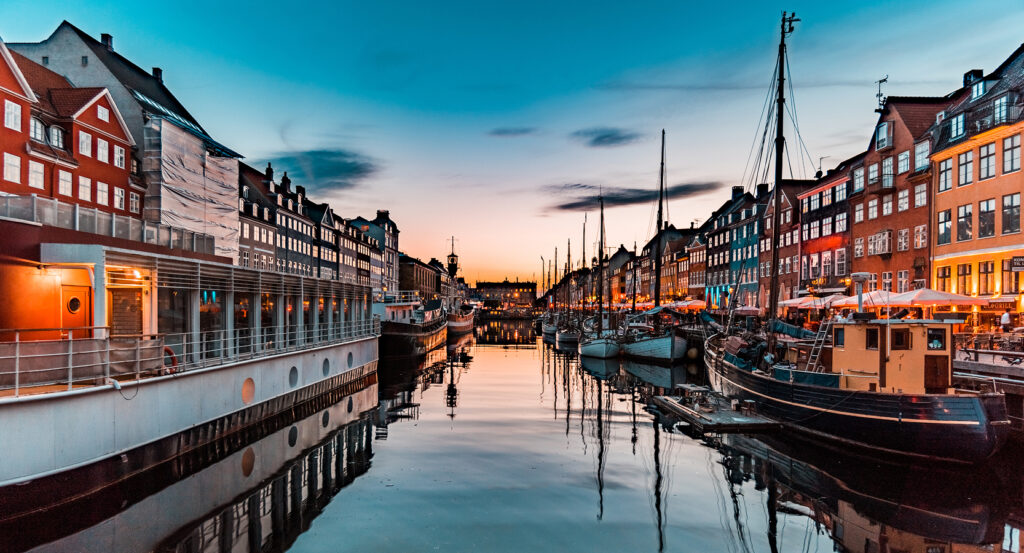
Why you should experience Copenhagen City Centre in Copenhagen, Denmark.
Copenhagen City Centre is the historic and civic heart of Denmark, where royal palaces, medieval streets, and centuries of urban life converge within one of Europe's most influential capital cities.
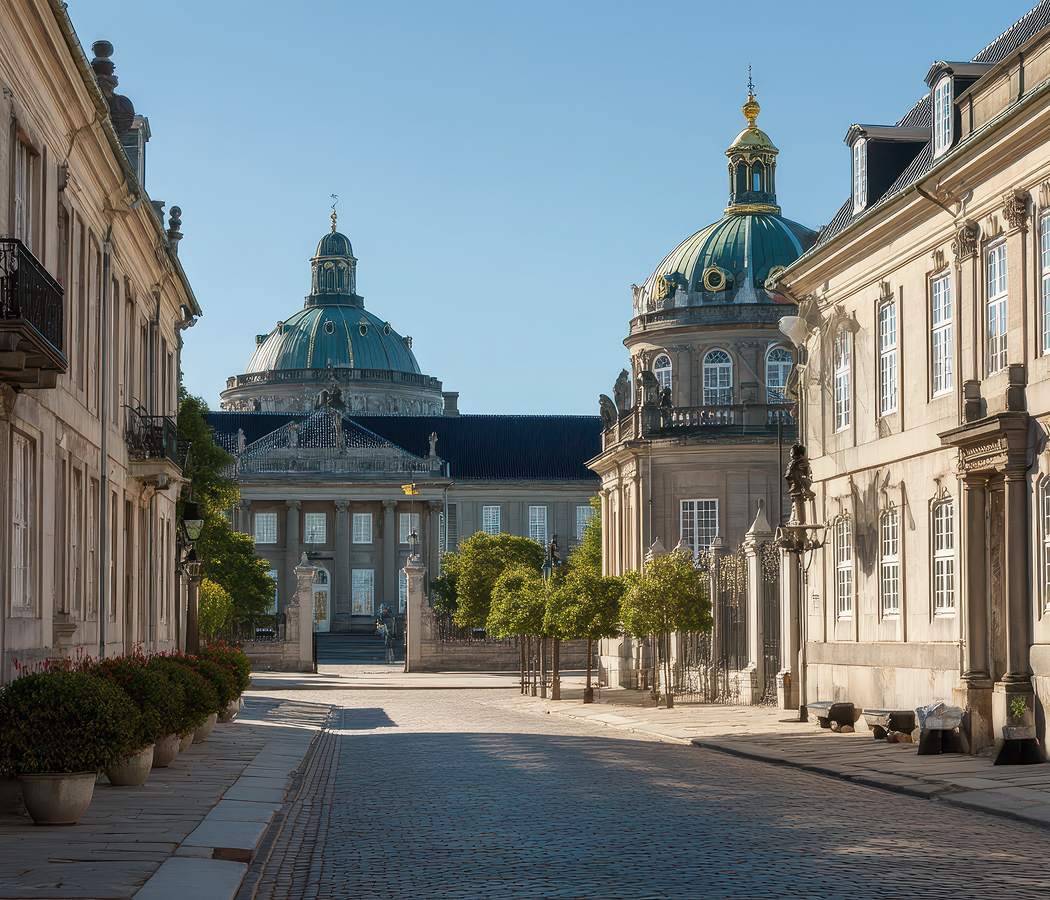
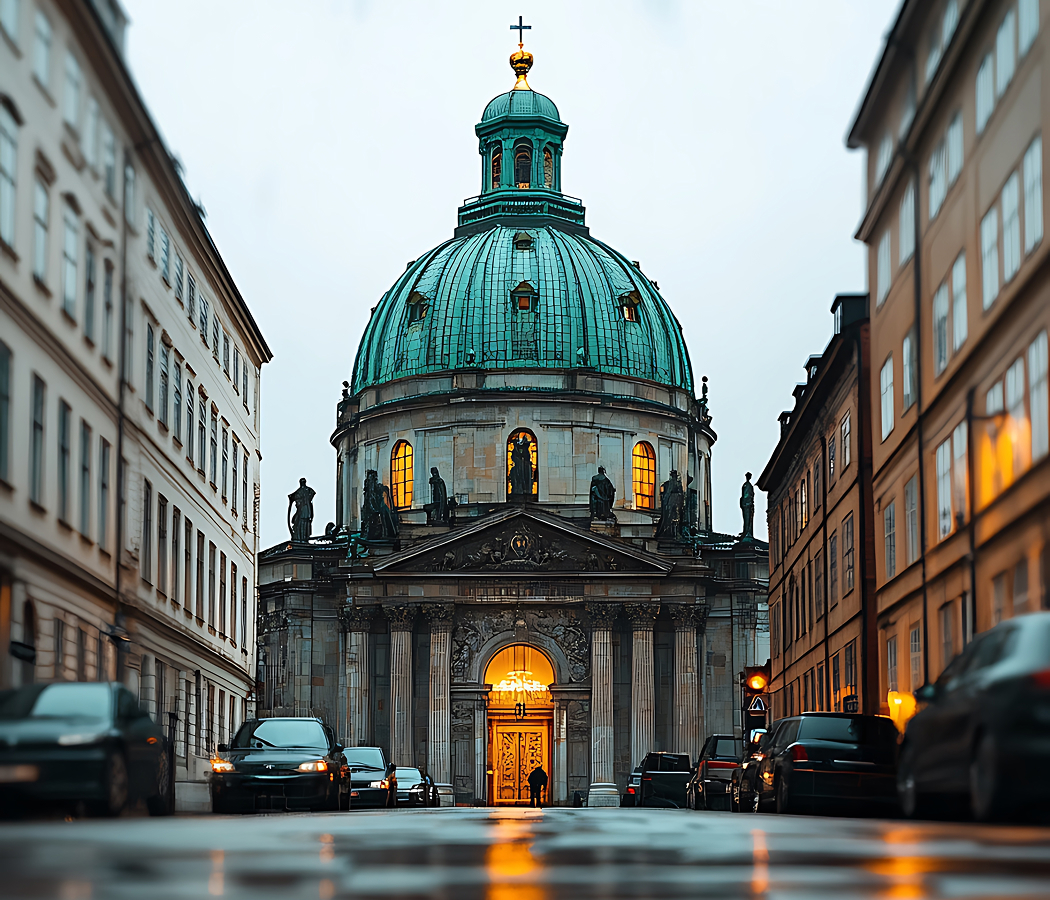
Copper spires punctuate a skyline shaped by nearly a thousand years of history. Pedestrian streets weave between royal residences, parliament buildings, historic churches, canals, museums, and public squares that continue to serve as gathering places for residents and visitors alike. Cyclists stream through streets originally laid out long before the automobile. Canal boats glide beneath stone bridges connecting districts that evolved from medieval trading quarters into the modern capital of a kingdom. The city reveals itself through constant movement and layered history. Church bells echo across plazas where markets once supplied merchants arriving from across Northern Europe. Café terraces spill onto cobblestones polished by centuries of foot traffic. Just west, Frederiksberg's elegant boulevards extend naturally from the historic core, reinforcing the district's role as the geographic, political, and cultural center of Copenhagen. Every street contributes to a cityscape that has become synonymous with urban livability, design excellence, and civic identity.
What you should know about Copenhagen City Centre.
Copenhagen City Centre is best known for being home to Strøget, among the world's longest pedestrian shopping streets and a landmark achievement in modern urban planning.
When Copenhagen pedestrianized the corridor in 1962, the decision challenged prevailing assumptions about how city centers should function. The experiment proved transformative. Strøget became an international model for walkable urban design, demonstrating that energetic public life could flourish when streets prioritized people. Its success influenced urban planners around the world and helped establish Copenhagen's reputation as a global leader in livability and public space design. The surrounding city center contains many of Denmark's most important institutions, including royal residences, government buildings, historic marketplaces, and cultural landmarks that collectively shaped the nation's history. Few urban districts have exerted such lasting influence on both city planning and national identity.
How to fold Copenhagen City Centre into your trip.
Copenhagen City Centre works as a journey through the landmarks, institutions, and public spaces that define Denmark's capital.
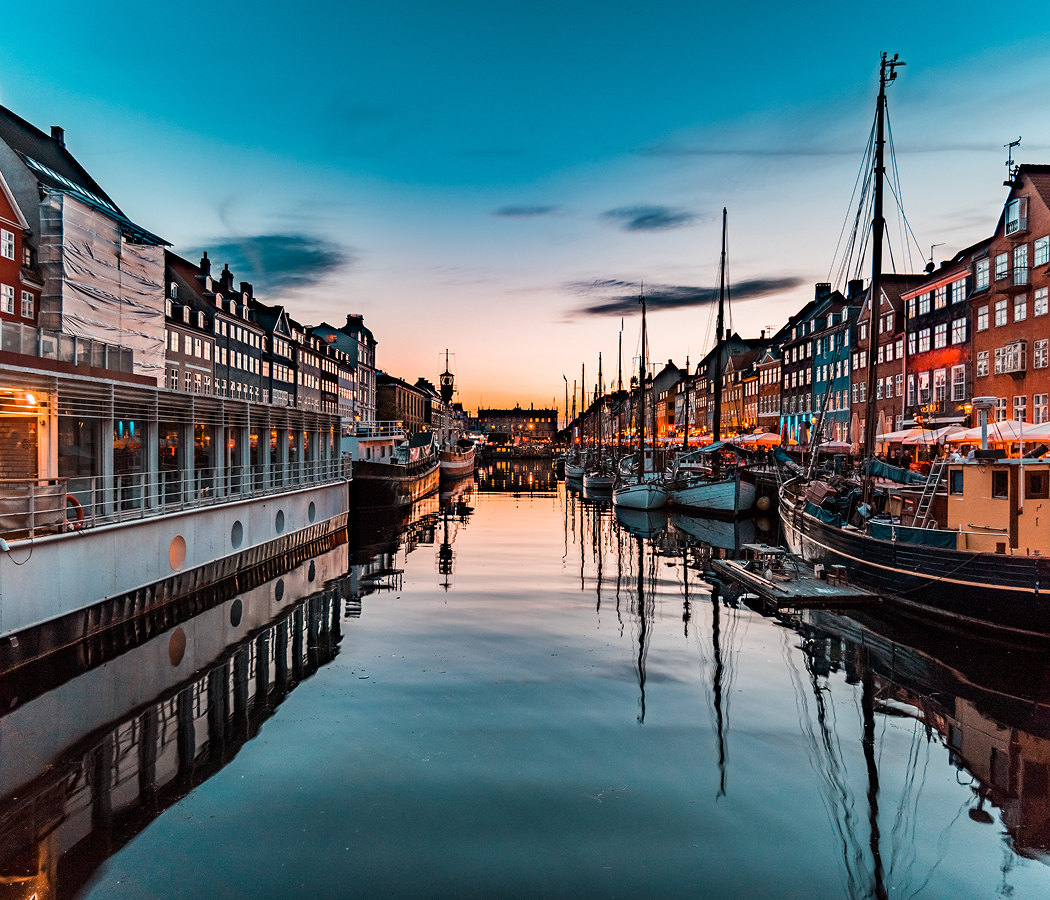
Begin at Strøget, where the district's pioneering approach to pedestrian life immediately comes into focus through its energetic streetscape and historic architecture. Continue toward Christiansborg Palace, among the few buildings in the world to house a nation's executive, legislative, and judicial branches under a single roof. From there, make your way to Nyhavn, whose colorful waterfront townhouses and historic ships have become enduring symbols of Copenhagen. Along the route, you'll encounter Amalienborg Palace, Rundetaarn, Kongens Nytorv, Rosenborg Castle, the National Museum of Denmark, and countless lanes that reward exploration. The progression moves naturally from urban innovation to national governance to maritime heritage, revealing the forces that shaped Copenhagen's evolution from trading port to modern capital. Copenhagen City Centre remains one of Europe's great urban destinations, preserving an extraordinary concentration of history, culture, and civic life within a remarkably walkable landscape.
Where your story begins.
Foresyte Travel reveals places that feel extraordinary long before you arrive.
Experience premium editorial crafted for luxury travelers.