Why you should experience King Street Wharf Darling Harbour in Sydney, Australia.
King Street Wharf Darling Harbour is Sydney distilled, a waterfront boulevard where the city's sophistication meets the salt air, and every clink of glass feels synchronized with the tide.
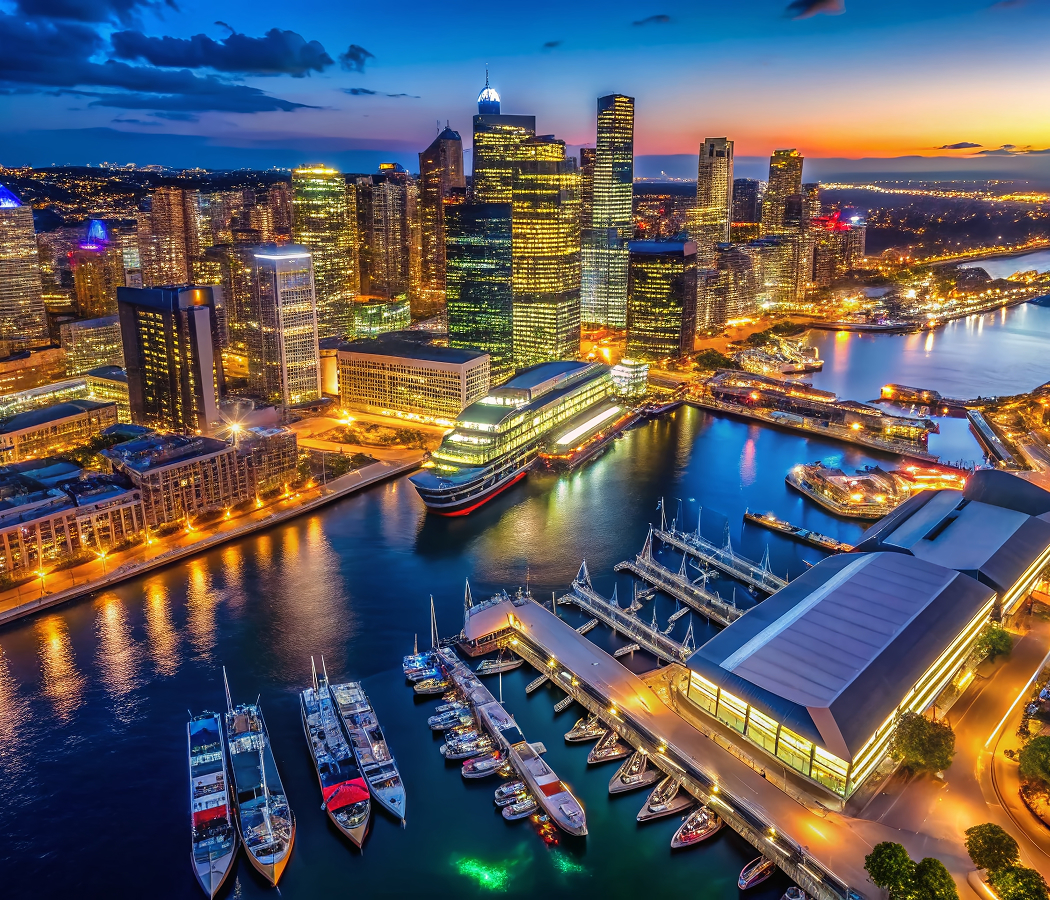
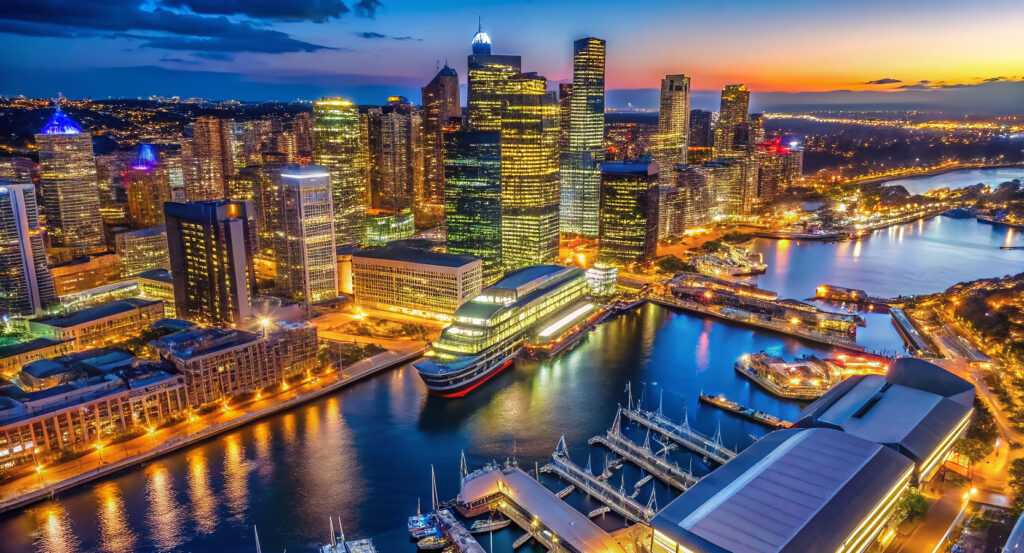
Stretching along the eastern edge of Darling Harbour, it's a place that captures the modern rhythm of the city. Sleek yachts sway in their moorings, ferries glide past like clockwork, and the boardwalk hums with energy from dawn to midnight. Here, Sydney slows just enough to savor itself, sunlight spilling across restaurant terraces, laughter echoing off glass façades, and the low murmur of conversation blending with the water's hush. Every view is cinematic: skyscrapers mirrored in the harbor, the curve of the Pyrmont Bridge beyond, the shimmer of Barangaroo in the distance. King Street Wharf isn't about spectacle; it's about atmosphere, a reminder that life's most memorable moments often unfold between movement and stillness, where the city breathes through the sea.
What you should know about King Street Wharf Darling Harbour.
Before it became one of Sydney's most elegant waterfront precincts, King Street Wharf was a forgotten stretch of docklands, a place of grit, cargo, and industry hidden behind the city's glittering skyline.
Throughout the 19th and early 20th centuries, it served as a thriving shipping terminal, handling wool exports and ferry transport that fueled Sydney's economy. As maritime trade shifted toward larger container ports, the area fell silent, warehouses shuttered, rails rusted, and the water lapped quietly against neglected timber pylons. The transformation began in the late 1990s as part of a visionary urban renewal plan that sought to reconnect the city to its waterfront. Architects and planners preserved the essence of the old wharf while reinventing it as a social hub, timber decks and iron moorings were retained, modern steel structures added, and wide promenades introduced to invite movement. The development officially opened in 2000, coinciding with the Sydney Olympics, and became a symbol of the city's global identity: cosmopolitan yet authentic. Beneath the boardwalk, many of the original hardwood piles still stand, encrusted with barnacles and salt from a century of tides. Even the paving stones contain subtle nods to the site's industrial past, inlaid bronze strips trace the old rail lines where cranes once rolled, loading cargo from ships into waiting warehouses. King Street Wharf's restaurants were designed to face not just the water but the western sky, making the precinct one of Sydney's most spectacular sunset stages. What most people never notice is the rhythm of the harbor beneath their feet: the tides rise and fall in sync with the wharf's hidden flotation systems, an engineering feat that keeps the entire promenade stable despite shifting currents. It's a quiet miracle of balance, architectural, historical, and human.
How to fold King Street Wharf Darling Harbour into your trip.
King Street Wharf rewards both spontaneity and slow indulgence, a place to wander without agenda, to dine without rush, and to let the harbor's rhythm dictate your pace.
Arrive in the late afternoon when the light softens and the water turns to glass. Begin at the northern end near Barangaroo, walking south along the timber promenade. Pause to watch the yachts and charter boats glide in and out of the marina, their reflections rippling across the surface. Choose a restaurant terrace for dinner, from the Mediterranean charm of Casa Ristorante to the breezy seafood fare at The Malaya, and let the skyline unfold around you as the city shifts from gold to indigo. As night falls, the wharf transforms into one of Sydney's most atmospheric nightlife strips, where open-air lounges and rooftop bars spill energy onto the water's edge. For a quieter moment, step toward the far end near Lime Street, where the crowds thin and the view widens into Darling Harbour's full panorama, the bridge, the fountains, the pulse of the city beyond. If you're visiting earlier in the day, the cafés along the promenade offer shaded spots for breakfast with water views and the occasional sea breeze drifting through. King Street Wharf connects seamlessly with Barangaroo Reserve to the north and the Harbourside precinct to the south, making it an ideal midpoint on a harborfront walking route. Plan to spend two to three hours here, longer if you dine or linger after sunset. Whether you arrive by foot, ferry, or instinct, King Street Wharf Darling Harbour will meet you with the same quiet perfection Sydney always saves for those who take the time to look twice.
Where your story begins.
Foresyte Travel reveals places that feel extraordinary long before you arrive.
Experience premium editorial crafted for luxury travelers.