
Why you should experience DOM Hotel in Rome, Italy.
DOM Hotel is where Baroque-era soul, seductive contemporary design, and the atmospheric electricity of Via Giulia blend into a stay that feels artistic, intimate, and deeply Roman in the most sophisticated way.
Set along the renowned Via Giulia, among the most beautiful Renaissance streets in the city, the hotel occupies a 17th-century noble palazzo originally built as a clergy house. Its façade still radiates the austere dignity of its ecclesiastical origins: stately stonework, symmetrical windows, heavy wooden doors, and the unmistakable geometry of Borromean-era Rome. Yet nothing prepares you for the transformation that unfolds once you step inside the building's historic shell. Interiors embrace a dark, moody, sensual aesthetic, rich velvets, deep charcoals, brass accents, sculptural lighting, textured woods, leather furnishings, and curated contemporary art, balanced with exposed historical materials that preserve the building's sacred past. Every space feels like a discussion between centuries: the raw authenticity of a monastery blended with the seductive glamour of a boutique design house. The result is immersive, theatrical, and quietly hypnotic. Rooms and suites continue this immersive sensibility. Expect plush bedding, velvet headboards, bespoke furniture, handcrafted pieces, atmospheric lighting, and curated objects that transform each room into a gallery-like environment. Many rooms feature original wooden beams, exposed centuries-old brick, or arched structural details that anchor the contemporary design in Rome's layered history. Higher-category suites reveal the building's soul even more deeply: soaring ceilings, intimate lounges, historic doorframes, elegant terraces, or windows overlooking Via Giulia's sculpted rooftops. Bathrooms are luxurious and spa-like, smooth stone, rich marble, rainfall showers, deep standalone tubs, warm lighting, and amenities selected for physical pleasure. The textures feel tactile, indulgent, and dramatically refined, as if each space was curated with cinematic intention. One of DOM's signature spaces is its rooftop terrace: a lush, intimate hideaway overlooking the rooftops, domes, and terracotta geometry of the Renaissance district. It's a sanctuary for aperitivo, late-night conversations, or contemplative quiet moments surrounded by Rome's warm skyline. At sunset, the atmosphere becomes electric and romantic, soft lighting, breezy warmth, distant church bells, and an elevated perspective that makes the city feel infinite. Dining reflects the hotel's soulful personality. Whether through its refined in-house offerings or curated partnerships with nearby establishments, the culinary experience centers on modern Roman cuisine executed through elegant, expressive dishes. Fresh seasonal ingredients, bold Italian flavors, and artistic presentation define meals that feel refined yet celebratory. Breakfast is served in the richly atmospheric dining lounge, a space filled with warm tones, handcrafted textures, and the gentle hush of early morning light filtering through historic windows. Expect fresh pastries, breads, fruit, yogurt, eggs, cheeses, cured meats, vegetables, juices, and expertly prepared espresso drinks. Service is intimate, attentive, and deeply personal, nothing rushed, nothing formulaic, everything delivered with a quiet luxury that aligns with the hotel's identity. Hospitality at DOM feels like being welcomed into a private artistic residence.
What you did not know about DOM Hotel.
DOM Hotel stands inside a 17th-century ecclesiastical building whose history is tied to Via Giulia-Rome's first planned Renaissance street and one of the city's most important urban experiments.
Via Giulia was conceived in the early 1500s by Donato Bramante under the direction of Pope Julius II, whose vision was to create a grand, linear street that symbolized papal authority and Renaissance order. Prior to its construction, this area was a chaotic maze of medieval alleys, artisan workshops, and riverside trade paths. The new street was intended to house law courts, noble residences, and administrative buildings connected to the Church. Though Bramante's full vision was never realized, Via Giulia became a prestigious address, reserved for aristocratic families, high-ranking clergy, wealthy merchants, and influential artists. The building that now houses DOM Hotel was constructed in the 1600s as part of a network of religious structures adapted to the growing needs of the Church. Its original role was tied to ecclesiastical residence, housing clergy or members of a religious order who served parishes and administrative offices in the district. The building's façade, proportions, and internal geometry reflect this monastic function: thick walls, symmetrical window patterns, interior corridors shaped for modest community life, and materials suited to durability and contemplation. Through the centuries, Via Giulia evolved into a hub of art and craftsmanship. Artists like Raphael, Caravaggio, and Michelangelo were drawn to the area; goldsmiths and silversmiths flourished along nearby streets; and many noble families built palaces within steps of the building. During the Baroque era, under the influence of Pope Innocent X and Gian Lorenzo Bernini, the area gained new artistic prominence. While Via Giulia remained quieter and more restrained than neighboring piazzas, its palaces and ecclesiastical buildings formed a refined, aristocratic corridor. Over time, as the Church's political power fluctuated, many ecclesiastical structures, including the building that now holds DOM, shifted from religious to civilian use. The structure served multiple roles over the centuries, eventually falling into disrepair before being carefully restored by designers who chose to preserve its monastic soul while transforming it into a sensual contemporary hotel. The name “DOM” itself evokes both Dominus (Latin for “Lord”) and the Italian word domus (home), reflecting the building's sacred origins and its rebirth as an intimate, artistic retreat. Today, DOM Hotel stands as a rare fusion of ecclesiastical architecture and modern luxury, an homage to Via Giulia's layered heritage, Renaissance ambition, and centuries of Roman artistry.
How to fold DOM Hotel into your trip.
DOM Hotel becomes the atmospheric, artistic, Via Giulia anchor of your Roman escape, where mornings begin with soft light over Renaissance stone, days unfold through the city's most historic corridors, and evenings settle into shadowy, sensual calm beneath vaulted ceilings and candlelit streets.
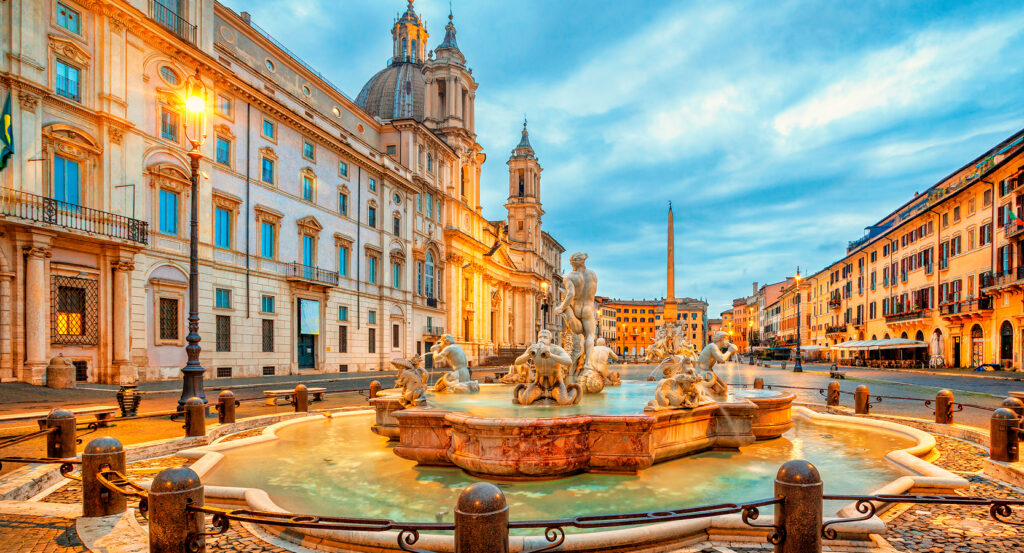
Start the morning with breakfast in the hotel's moody, refined dining space before walking down Via Giulia's ancient cobblestones toward Ponte Sisto. Cross into Trastevere for cafés, hidden churches, and riverside walks. Return toward Campo de' Fiori for the morning market, then wander to Piazza Navona or the Pantheon. Spend the afternoon exploring art galleries, antique shops, or Rome's lesser-known treasures like Palazzo Farnese, Santa Maria della Pace, or the artisan lanes of Via dei Coronari. Return to the hotel for a moment of quiet on the rooftop or in your suite's soft-lit interior before heading to dinner at a nearby trattoria or a modern Roman restaurant in the neighborhood. End your night strolling Via Giulia, lamps glowing against stone, ivy draping ancient walls, the river murmuring nearby, and retreat into the hotel's intimate, artistic embrace. In winter, the district feels cinematic and contemplative. In spring, wisteria hangs over centuries-old archways. In summer, warm breezes sweep across the Tiber. In autumn, golden light saturates every façade. DOM Hotel becomes not just where you stay, but the artistic, atmospheric, beautifully shadowed soul of your entire Roman experience.
Where your story begins.
Foresyte Travel reveals places that feel extraordinary long before you arrive.
Experience premium editorial crafted for luxury travelers.




















































































































