Why Fairmont Monte Carlo matters.
Fairmont Monte Carlo is a defining Mediterranean hotel where Monaco's casino culture meets the principality's maritime geography, royal history and international tradition of grand coastal hospitality.
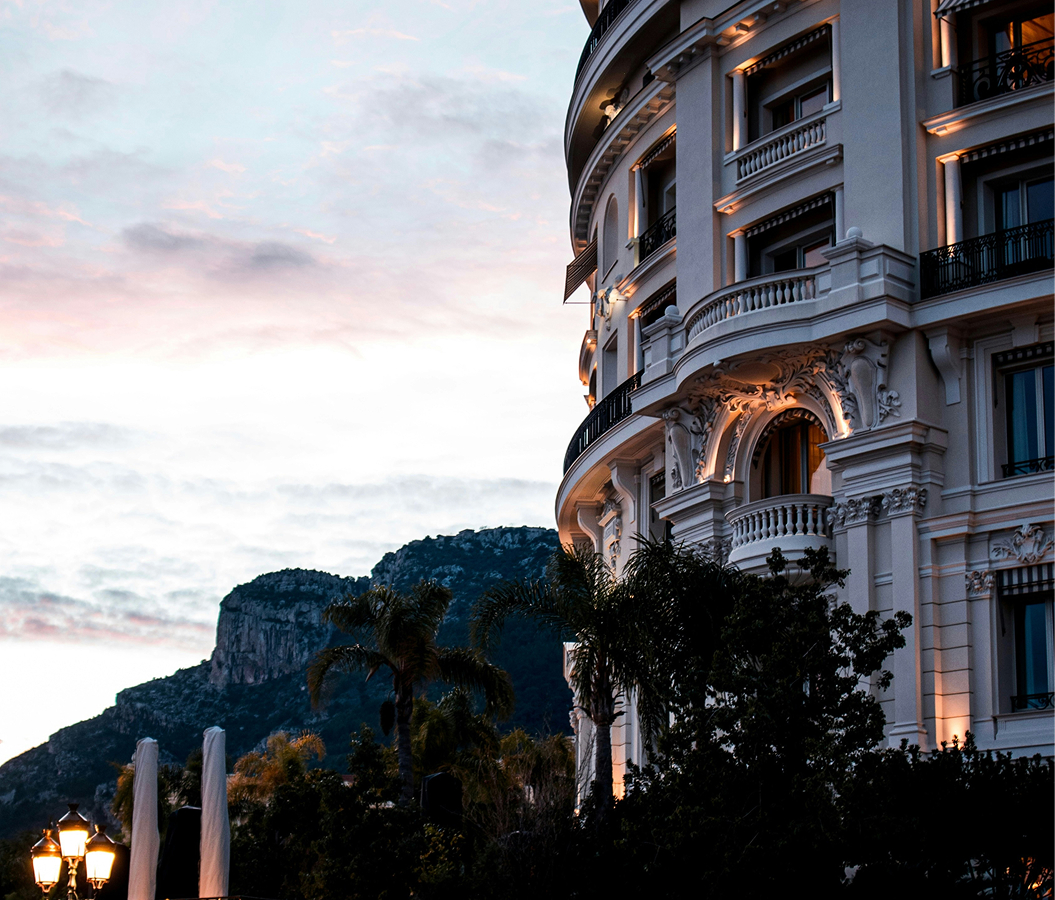
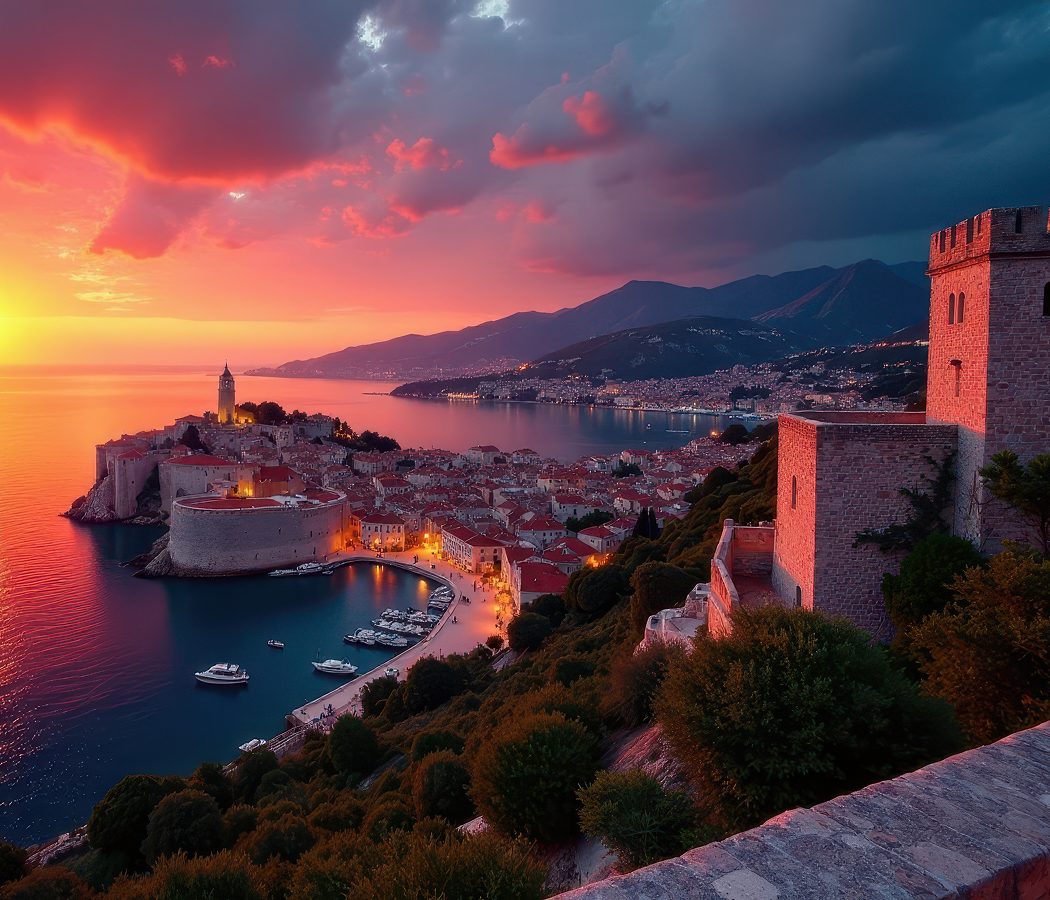
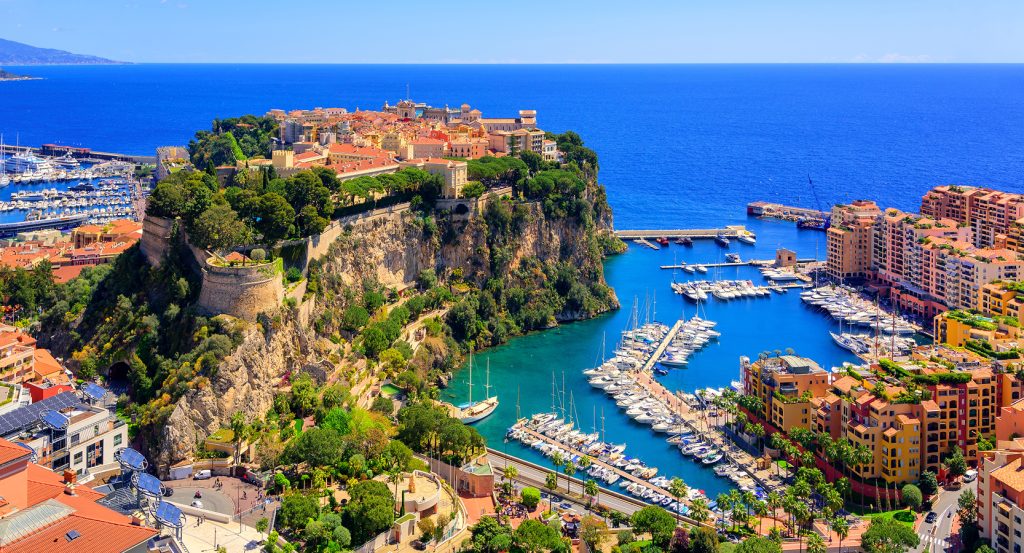
Set along Avenue des Spélugues above the Mediterranean, Fairmont Monte Carlo occupies a position between the Casino de Monte-Carlo, Larvotto Beach, Port Hercule and the Grimaldi Forum, with the harbor and steep hillsides defining the surrounding landscape. Its distinctive physical setting combines a large luxury hotel, dramatic coastal topography, yacht-filled waters and the tightly planned urban fabric of Monte Carlo. The principality is encountered primarily through movement between the hotel, casino district, waterfront promenades, shopping streets, beaches, harbor roads and the routes climbing toward Monaco-Ville. A second atmosphere develops inside the property through restaurants, lounges, guest floors, spa facilities, pool areas and event rooms that provide a polished refuge from the bright coast and constant public activity. The result is an exceptional Mediterranean hotel whose architecture and setting connect Monaco's luxury economy, maritime landscape, royal history and international social culture.
What defines Fairmont Monte Carlo.
Fairmont Monte Carlo is best known for its extraordinary position above the Mediterranean Sea and the renowned hairpin of the Monaco Grand Prix, establishing one of the principality's most recognizable intersections of modernist architecture, international motorsport, and Riviera hospitality. The property's origins trace to Monaco's ambitious expansion of its tourism infrastructure under Prince Rainier III and Princess Grace, whose vision for the waterfront development transformed a site historically associated with the principality's first railway station and the celebrated Tir aux Pigeons shooting grounds. Developer Groupe Caroli commissioned architects Jean Ginsberg, Jean and José Notari, and Herbert Weisskamp to create a substantial hotel integrated into the rocky Mediterranean coastline. Their architectural conception introduced a sprawling modernist structure supported partly by pillars rising fifteen meters above the water, establishing an unusual engineering relationship between the building and the shoreline. Princess Grace inaugurated the hotel in August 1975 under the Loews Monte-Carlo name, introducing a major international hospitality institution to a destination historically dominated by the Belle Époque establishments surrounding Casino Square. Its opening strengthened Monaco's capacity to accommodate international conventions, business gatherings, and the expanding luxury tourism market associated with the French Riviera. The hotel's relationship with Formula One became central to its international character through the Circuit de Monaco, whose celebrated hairpin passes directly beside the building before the racing course descends toward the waterfront tunnel. Originally associated with the Station Hairpin and subsequently named for successive hotels overlooking the bend, the corner acquired the Fairmont Hairpin character following the property's later rebranding. Its exceptionally tight radius forces Formula One drivers to negotiate one of the slowest corners in championship racing, creating a distinctive relationship between the hotel and the technical demands of Monaco's historic street circuit. Lebanese businessman Toufic Aboukhater acquired the property in 1998, introducing the Monte Carlo Grand Hotel name during a period of substantial change in the principality's international hospitality market. A consortium involving Fairmont Hotels & Resorts, Kingdom Hotels International, and Bank of Scotland acquired the establishment for €215 million in December 2004, establishing the foundation for another major institutional transformation. The hotel adopted the Fairmont Monte Carlo character on March 29, 2005, followed by an extensive renovation program undertaken through 2009. The redevelopment strengthened its position within the international luxury market through substantial investment in the building's public interiors and principal hospitality environments. London & Regional subsequently acquired the property's ownership interest in 2007, retaining Fairmont's management and extending its commercial development under an international property investment group. A further transformation completed around the hotel's fiftieth anniversary in 2025 introduced renewed interiors, redesigned restaurants, and an expanded emphasis on contemporary Riviera hospitality. Fairmont Monte Carlo captures the principality's transformation into a modern international destination, connecting the architectural ambitions of the Grimaldi era with the global cultural prominence of Formula One and the enduring glamour of the Mediterranean coast.
Jean Ginsberg's architectural conception establishes the hotel's distinctive physical character through an expansive structure built into Monaco's coastal escarpment, creating a striking relationship between modernist engineering and the principality's exceptionally constrained geography. The building's broad horizontal composition contrasts with the vertical density of Monte Carlo's surrounding development, extending outward toward the Mediterranean through a series of terraces and elevated public spaces. Its original design incorporated an innovative heating and air-conditioning system drawing seawater from the Mediterranean, connecting the building's mechanical infrastructure directly with its maritime setting. The property's internal organization reinforces its unusual coastal position through perspectives overlooking the open sea, the landscaped interior gardens, and the streets of the Grand Prix circuit. The seventh-floor rooftop underwent a particularly significant transformation during the 2008-2009 renovation, establishing an elevated social destination through the Horizon restaurant, redesigned swimming pool, and expanded wellness facilities. This architectural setting subsequently developed into one of the hotel's principal expressions of contemporary Riviera culture, combining expansive Mediterranean views with the outdoor dining and entertainment traditions associated with Monaco's international social calendar. Nobuyuki Matsuhisa introduced another important dimension through Nobu Fairmont Monte Carlo, extending the Japanese chef's internationally influential culinary philosophy into the principality. Matsuhisa's cooking brings Japanese techniques into conversation with South American ingredients and flavor traditions, an approach shaped by his professional development in Japan, Peru, and the United States. His signature combination of precise seafood preparation, citrus acidity, aromatic seasonings, and carefully balanced heat established a distinctive culinary character that influenced contemporary international fine dining. Nobu's presence strengthened the hotel's relationship with Monaco's increasingly sophisticated restaurant culture, bringing a globally recognized culinary institution into its waterfront setting. Nikki Beach subsequently introduced another dimension of Riviera social life through its rooftop beach-club concept, connecting music, outdoor entertaining, and Mediterranean leisure within an elevated urban environment. The opening of Amù Monte Carlo expanded the rooftop's culinary character through a contemporary interpretation of Mediterranean cooking, with the restaurant's name drawing upon the Monégasque expression for love. Its emphasis on regional ingredients and the social traditions of coastal dining establishes a complementary relationship with the hotel's international culinary influences. The property's fiftieth-anniversary renewal further developed these interconnected environments through updated decorative schemes and a stronger architectural relationship between the rooftop, surrounding gardens, and Mediterranean horizon. Together, Ginsberg's coastal engineering, the distinctive rooftop composition, Matsuhisa's internationally influential cuisine, and the hotel's established relationship with Monaco's sporting and social culture create an exceptional expression of contemporary Mediterranean hospitality.
How Fairmont Monte Carlo fits.
Fairmont Monte Carlo works as the starting point for an exploration connecting Monaco's casino culture, its Grimaldi dynasty and the maritime and scientific institutions that define the principality's identity.
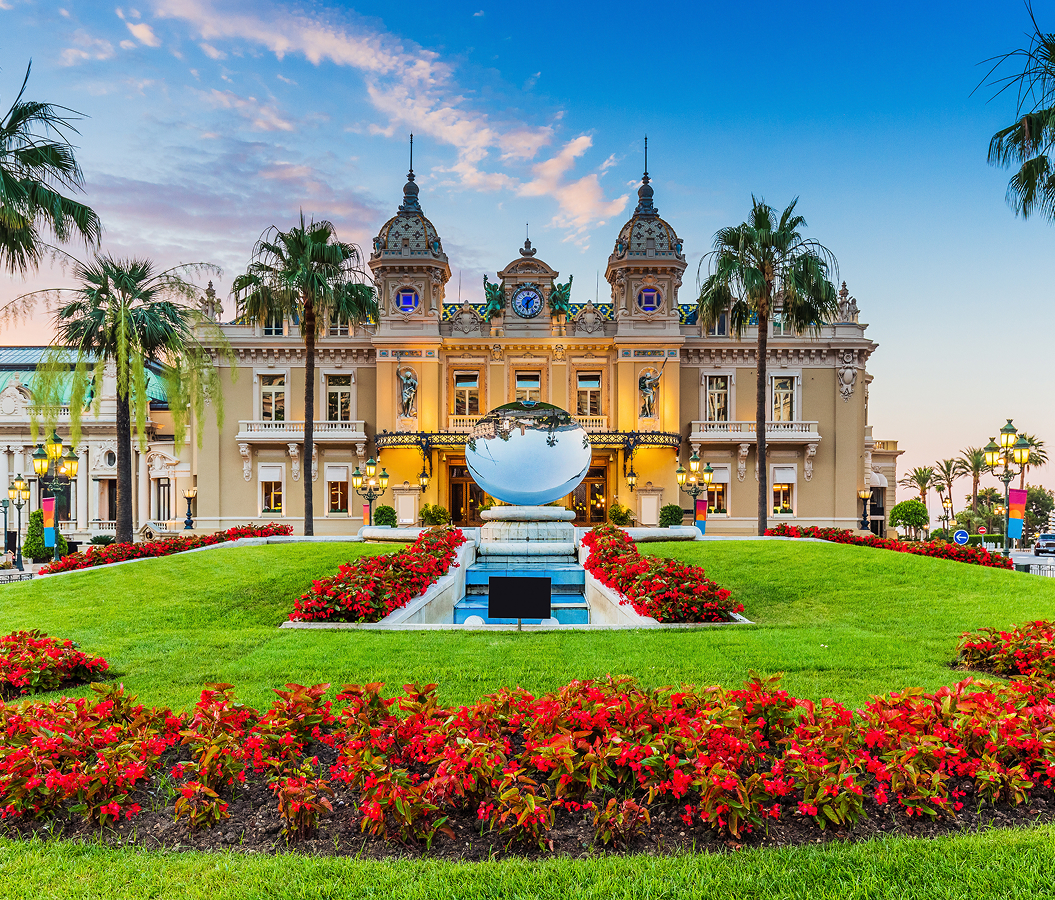
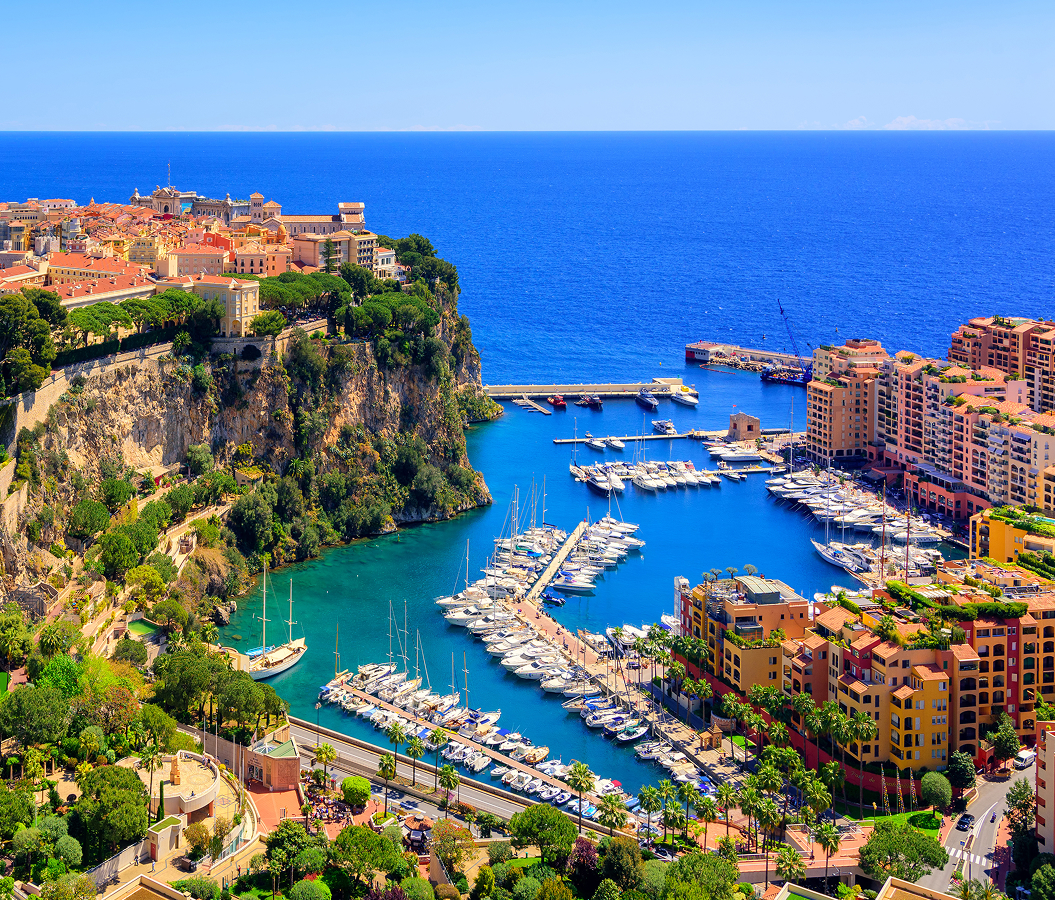
Begin at the Casino de Monte-Carlo, the expansive Belle Époque complex where domes, marble halls, gardens, gaming rooms and ceremonial entrances establish the architectural center of Monaco's luxury economy. The casino occupies a prominent position above the Mediterranean and remains closely connected to the development of Monte Carlo as an international resort for aristocrats, financiers, artists and travelers. Its gardens, square and surrounding façades reveal the close relationship between gambling, architecture, urban planning and the principality's modern history. Continue to Prince's Palace of Monaco, the historic residence where courtyards, state apartments, fortifications and elevated terraces preserve the political and dynastic center of the principality. The palace occupies the Rock of Monaco above the harbor, linking medieval defensive geography with the continuing public character of the Grimaldi family. Its position provides broad views across Port Hercule, Fontvieille, the Mediterranean and the dense urban districts climbing the surrounding hills. Continue to Oceanographic Museum of Monaco, the expansive marine institution where aquariums, collections, scientific displays and a dramatic cliffside building present the biodiversity and exploration history of the Mediterranean and wider oceans. Founded under Prince Albert I, the museum connects Monaco's royal history with oceanographic research, marine conservation and the cultural life of the principality. Its galleries and terraces create a direct relationship with the sea below and the coast extending toward France and Italy. Conclude at Port Hercule, the deep-water harbor where yachts, ferries, racing infrastructure, waterfront restaurants and steep urban façades reveal Monaco's maritime economy. The port occupies the central coastal basin of Monte Carlo and provides a physical connection between the principality's luxury culture, commercial activity and international seafaring traditions. Its quays and surrounding roads create one of the most recognizable harbor landscapes on the Riviera. The progression moves from Casino de Monte-Carlo's grand resort architecture through Prince's Palace of Monaco's dynastic landscape, continues across Oceanographic Museum of Monaco's marine culture and concludes at Port Hercule, where Monaco's wealth, royalty, science and Mediterranean geography meet.
Where your story begins.
Foresyte Travel reveals places that feel extraordinary long before you arrive.
Enjoy editorial crafted for luxury travelers.
Foresyte may earn a commission when you book.