Why Fairmont Royal Pavilion matters.
Fairmont Royal Pavilion is a historic beachfront resort where St. James's plantation-era coastal heritage meets the origins of luxury tourism on Barbados's western shoreline, preserving the architectural inheritance of the first hotel established along the island's Platinum Coast.
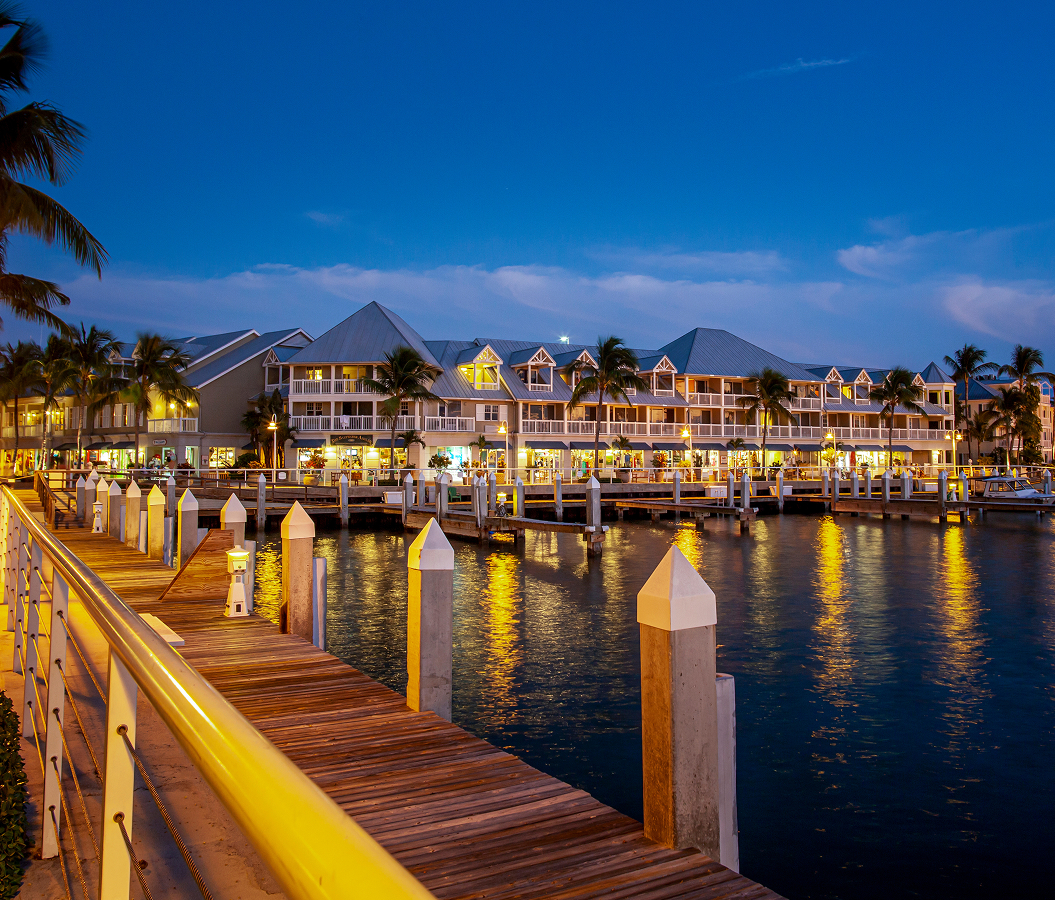
Positioned between Highway 1 and Alleyne's Bay at Porters, north of Holetown and south of the coastal estates surrounding Glitter Bay, Fairmont Royal Pavilion occupies eleven acres of tropical gardens extending westward to the Caribbean Sea. Its pale pink buildings stand among mature palms, flowering trees, and landscaped lawns, with low-rise elevations preserving the property's relationship with the shoreline. Guest accommodation faces the sea through broad windows and private terraces, establishing a direct connection between the interiors and the coastal landscape. Garden pathways link the principal hospitality buildings through an estate whose vegetation provides separation between the different architectural volumes. The original structures retain a residential scale, with covered terraces and open-air circulation reflecting the climatic requirements of Caribbean coastal architecture. The result is a beachfront property whose surviving historic buildings and established gardens preserve the physical character of Barbados's early luxury resort development.
What defines Fairmont Royal Pavilion.
Fairmont Royal Pavilion is best known for originating as the Miramar Hotel during the 1940s, becoming the first hotel established on Barbados's western coast and introducing commercial hospitality into an area previously dominated by plantation estates and private winter residences. The original establishment contained twelve guest accommodations and occupied land adjoining the winter estate of Sir Edward Cunard, a member of the British family associated with the Cunard Steamship Company. Its development followed the emergence of Barbados as a seasonal destination for wealthy British visitors whose established connections with the island extended through commerce, colonial administration, and private property ownership. Prominent Barbadian businessman George Manning had earlier recognized the coastal property's development potential, contributing to the transition from agricultural landholding toward recreational use. The Miramar's modest scale reflected the early organization of the island's tourism industry, preceding the substantial construction of international resort properties along the western shoreline. Its association with prominent visitors gained international attention in 1985 when Queen Elizabeth II visited the hotel following her arrival in Barbados aboard Concorde. British entrepreneurs Lynne and Mike Pemberton acquired the Miramar in 1987, undertaking a comprehensive redevelopment intended to establish a substantially larger luxury resort. Their investment transformed the original hospitality operation through new accommodation, expanded public facilities, and a coordinated architectural identity. The Royal Pavilion opened in December 1987, completing its redevelopment during the period when Barbados's western coast was becoming an established destination for international luxury tourism. The Pembertons subsequently extended their involvement in Barbadian society through charitable fundraising, establishing the island's chapter of Variety Club International in 1995. Their inaugural garden auction at Glitter Bay attracted prominent international guests, including actress Joan Collins, and raised more than $40,000 through the sale of artworks that included watercolors by Prince Charles. Princess Hotels acquired the Royal Pavilion in February 1996, beginning a succession of corporate transitions that connected the independently developed resort with international hotel ownership. A merger in 1998 brought the property into Canadian Pacific Hotels, whose established portfolio included substantial historic hotels across North America. The subsequent consolidation of Canadian Pacific's hospitality operations with the Fairmont brand introduced another institutional identity, and the resort adopted the Fairmont Royal Pavilion name in October 1999. These successive ownership changes extended the property's commercial history from an independent coastal establishment through British entrepreneurial redevelopment into the international luxury hospitality sector. The survival of the original Miramar building gives this history particular architectural significance, preserving a physical connection with the earliest phase of hotel development on Barbados's western coast.
Richmond International directed the resort's substantial 2017 interior transformation, working with L+R Design Studio and creative director Mario Nicolaou to develop a decorative program grounded in Caribbean residential architecture and the surrounding coastal landscape. The London-based practice incorporated natural wood, pale upholstery, textured surfaces, and botanical references, establishing continuity between the buildings' interiors and the estate's tropical setting. Original terracotta and pink decorative elements were retained within the principal reception areas, preserving established architectural characteristics through the renovation. The lobby received revised furnishings and a smaller bar, reorganizing its social functions around the building's residential proportions. The accommodation interiors incorporated custom joinery, updated lighting, and decorative artwork, with sliding glass doors maintaining uninterrupted views toward the sea. Junior suites received flexible internal divisions separating sleeping and sitting areas, extending the domestic character of the original design. The renovation also introduced work by Barbadian artists whose professional practices connect the resort with contemporary Caribbean visual culture. Sheena Rose contributed an artistic perspective developed through drawing, painting, animation, and performance, disciplines that have brought her work into international exhibitions. Llanor Alleyne's paintings and mixed-media compositions extend the collection's relationship with Barbadian cultural life, combining figurative and abstract approaches. Stephanie Moore completed the group of participating artists, introducing another local contribution to the redesigned interiors. Their inclusion established a cultural connection between the international design commission and artistic production within Barbados. Construction began in August 2017, with the resort closing temporarily during the principal renovation period before reopening in November. The surviving original buildings provide another dimension to the property's architectural character. Palm Terrace occupies the former Miramar structure, preserving the original hotel's physical fabric within the expanded resort. Taboras occupies a former manager's bungalow, continuing the property's earlier residential organization through the adaptation of an existing building. These retained structures connect contemporary hospitality functions with the resort's development before its substantial 1987 expansion. The renovation's significance rests in this relationship between preserved architecture, contemporary Barbadian artistic commissions, and an interior program developed specifically for the property's coastal environment.
How Fairmont Royal Pavilion fits.
Fairmont Royal Pavilion works as the starting point for a southbound exploration of Holetown's colonial development, connecting the establishment of Anglican worship with coastal military infrastructure and the commemoration of Barbados's first permanent English settlement.
Begin at St. James Parish Church, situated south of the resort near the northern entrance to Holetown, where English settlers established a wooden church in 1628 on one of Barbados's earliest consecrated sites. A coral-stone structure replaced the original building during the seventeenth century, establishing a permanent religious institution for the developing colonial settlement. Substantial reconstruction in 1874 enlarged the nave and introduced new pillars and arches, with the completed building consecrated in 1875. The church preserves a baptismal font dated 1684 and a bronze bell cast at London's Whitechapel Bell Foundry in 1696, connecting its architectural development with surviving objects from the earliest period of English colonization. Continue to Folkestone Marine Park, immediately west of the church on coastal land formerly belonging to Porter's Plantation. The Alleyne family controlled the estate for generations, exercising substantial political influence through successive appointments to the island's colonial House of Assembly. The property's name commemorates Rebecca Alleyne, who married William Bouverie, second Lord Folkestone, in 1751. Church Point Battery occupied part of the site, mounting eleven cannons in 1762 to defend the approaches to Holetown. Folkestone House subsequently accommodated parish medical officers and government functions before the grounds entered public recreational use under the National Conservation Commission. Conclude at Holetown Monument, farther south near the historic settlement's commercial center, commemorating the establishment of English colonial occupation in Barbados. Captain John Powell claimed the island for King James I in 1625, followed by the arrival of settlers under Henry Powell in February 1627. The settlement initially developed as Jamestown before acquiring the name Holetown, associated with the shallow coastal inlet used by arriving vessels. Governor Sir Gilbert Thomas Carter laid the monument's cornerstone on November 30, 1905, during a ceremony commemorating the island's early English settlement. Its original inscription incorporated the incorrect date of 1605, subsequently addressed through historical clarification of the 1625 landing and 1627 settlement. The progression moves from the establishment of Anglican religious institutions through the plantation ownership and military defenses of Holetown's coastline and culminates in the monument commemorating the origins of permanent English colonization in Barbados.
Where your story begins.
Foresyte Travel reveals places that feel extraordinary long before you arrive.
Enjoy editorial crafted for luxury travelers.
Foresyte may earn a commission when you book.