Why Four Seasons Hotel Sydney matters.
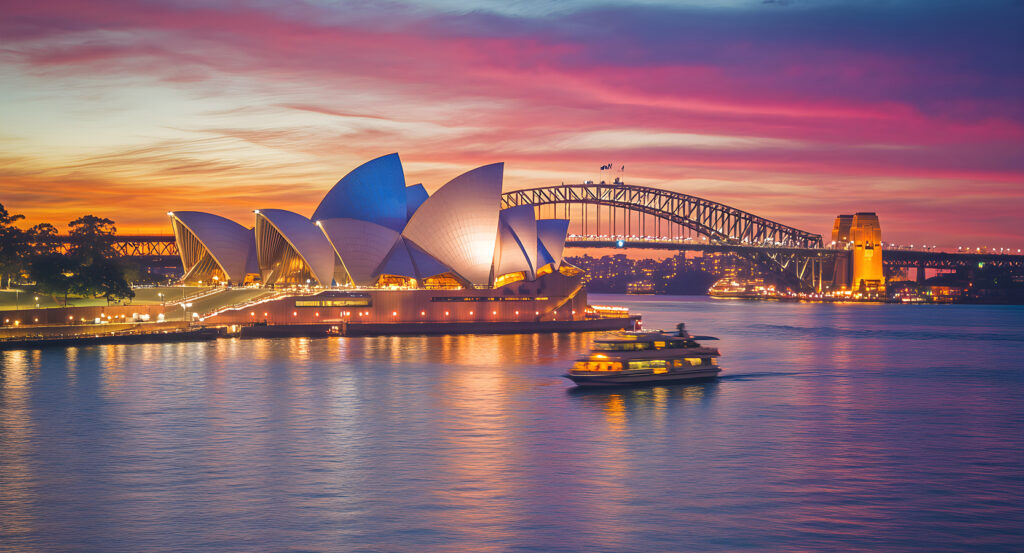
Four Seasons Hotel Sydney is a harbourfront hotel where The Rocks' colonial layers meet Sydney Cove, modern Australian dining and uninterrupted views toward the Opera House.
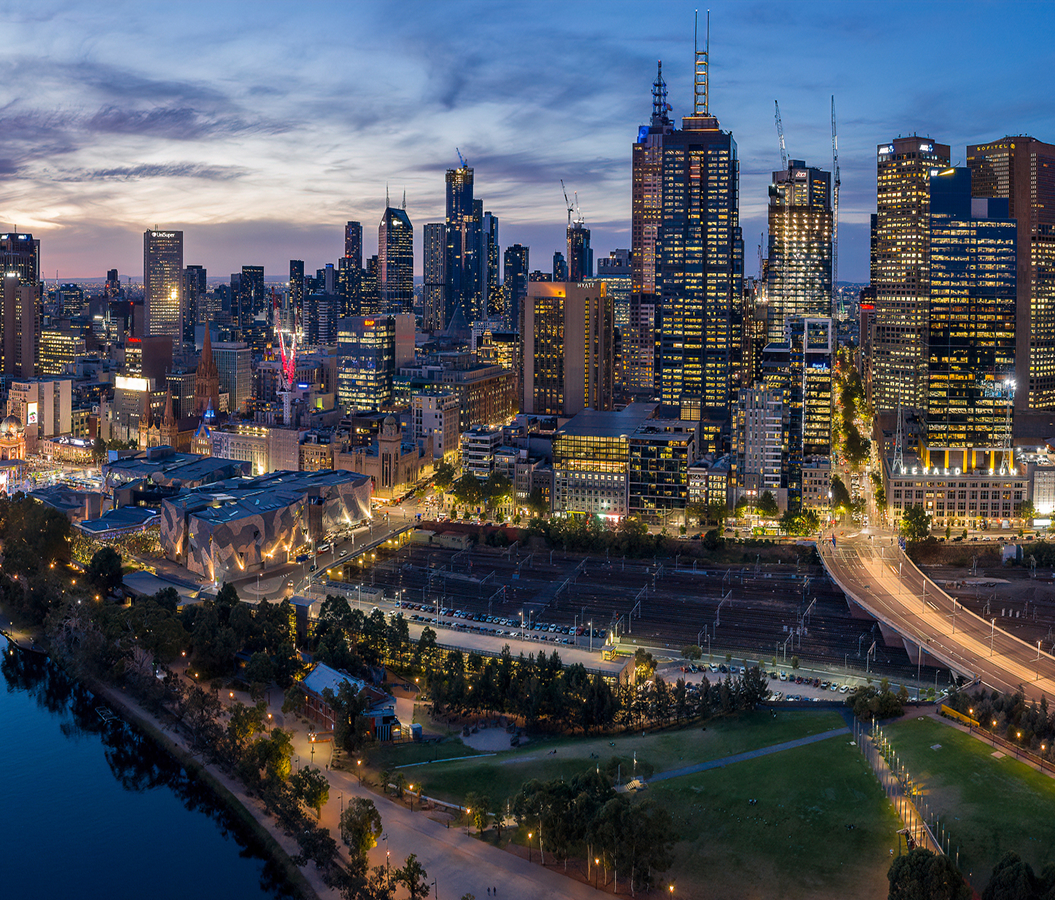
Set along George Street near Alfred Street and just steps from Circular Quay, the hotel occupies the western edge of Sydney Cove between The Rocks, the Harbour Bridge approach, Customs House and the high-rise centre of the central business district. Its 34-storey form rises from a former jail site with broad harbour-facing elevations and a large atrium lobby. A dramatic staircase links the sunlit entrance to the upper public floors, turning arrival into a vertical movement through light, glass and framed water views. Mode Kitchen & Bar and Grain Bar place local produce, Australian spirits and contemporary service inside the building's harbour-facing social life. The result is a hotel that makes Sydney's first colonial precinct function as a setting for an international urban stay.
What defines Four Seasons Hotel Sydney.
Four Seasons Hotel Sydney is best known for occupying a former colonial jail site in The Rocks while carrying the building through three hotel identities. Michael Dysart & Partners designed the structure, which opened in October 1982 as The Regent. The project introduced a large international hotel to a precinct shaped by convict-era buildings, maritime trade and the steep streets around Sydney Cove. Joseph Pang Design Consultants created interiors combining contemporary furnishings and fixtures with classical details. The atrium lobby and grand staircase gave the building a ceremonial centre distinct from the narrow streets outside. Harbour-facing rooms turned the Opera House, bridge approaches and ferry movement into the hotel's primary visual field. Four Seasons began managing the property in 1992, bringing its service system to a hotel whose original name remained attached to Sydney's luxury history. The building became Four Seasons Hotel Sydney in 2002, joining the global brand without abandoning its Regent-era architecture. Its location preserves a direct relationship with the cove where Captain Arthur Phillip landed in 1788 to establish the colony of New South Wales. That relationship places the hotel beside the earliest European settlement zone while keeping the architectural language of the late twentieth-century city. The harbour views also tie the property to Sydney's continuing transformation from port city to global business and cultural capital. Four Seasons Hotel Sydney carries a layered chronology in which colonial land, modern construction and international hotel management occupy the same address.
Mode Kitchen & Bar frames contemporary Australian cooking through ingredients obtained from local farmers, fishers and artisans. Chef de Cuisine Nathan Barone leads a kitchen that moves between land and sea, fire and raw preparation, with an open cooking area visible from the dining room. The menu changes with seasonal produce and places Australian ingredients inside a modern international technique. Grain Bar extends the hotel's culinary program through Australian spirits, local craft beer, domestic and international wine and cocktails built around fresh ingredients. Sarath Nair leads the bar program, bringing a background in hospitality service and beverage direction to a room organized around spirits and small plates. The bar's name refers to grain as a foundational element in whisky, beer and food, connecting its drinks list to the agricultural materials behind the hotel's menus. On The Go Café carries the same food program into the lobby through Lavazza coffee, sandwiches, wraps, salads and pastries. The poolside restaurant adds another setting for informal meals inside the hotel's wider recreation program. Mode's theatrical finishings and Grain's cocktail rituals give the public floors different tempos without separating them from the harbour setting. The restaurants make Sydney's produce, beverage culture and seasonal cooking central to the building's identity. The hotel's culinary authorship rests on named chefs, local suppliers, visible preparation and rooms that translate Australian ingredients into distinct forms of service.
How Four Seasons Hotel Sydney fits.
Four Seasons Hotel Sydney works as a starting point for tracing Sydney's harbour from colonial trade administration to civic memory and contemporary public landscape.
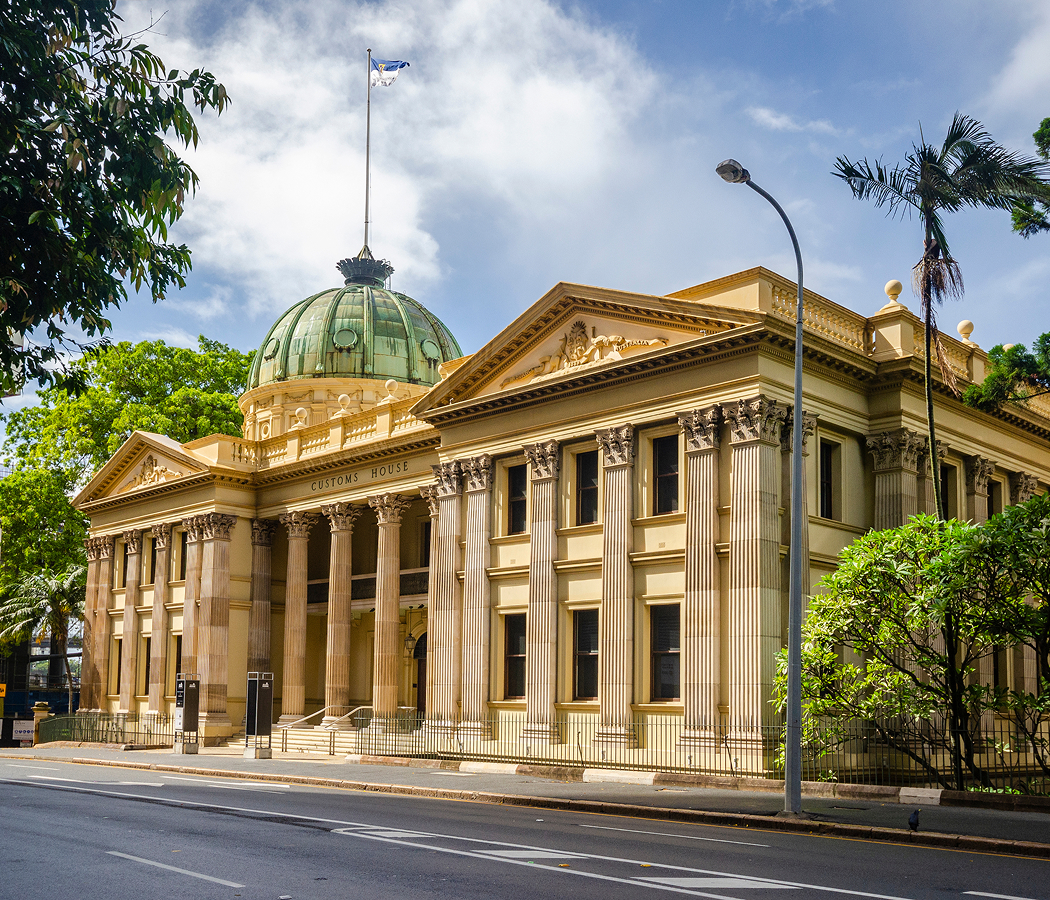
Begin at Customs House, where a sandstone building completed in 1845 stands beside Circular Quay on Gadigal Country. For more than 150 years, officials processed goods, people and revenue through the building as Sydney expanded from penal settlement into a maritime port. Customs Square marks the tidal edge that shaped the First Fleet landing site, and paving preserves the outline of the former shoreline. The building now contains a public library, exhibitions, cultural programs and a rooftop dining room facing the Harbour Bridge. Continue to Museum of Sydney, built on the site of First Government House and opened in 1995. Archaeological remains beneath the building preserve the footprint of the residence where colonial governors administered the new settlement. Galleries examine First Nations histories, early colonial encounters, migration, politics and the city's changing social life. Objects, maps, photographs and architectural remains place Sydney's formation within the contested ground around the cove. Conclude at Barangaroo Reserve, where a six-hectare headland park reshaped a former container terminal on the western harbour. More than 75,000 sandstone blocks form terraces, retaining walls and paths that follow the site's precolonial headland profile. The reserve carries the name Barangaroo, a Cammeraygal woman associated with the harbour during the early colonial period. Planting uses native species, while the shoreline supports walking paths, tidal edges and views toward the Harbour Bridge and central city. The park joins Aboriginal history, maritime industry and public landscape within a single harbour precinct. The progression moves from customs administration, through the contested foundations of government, to a reconstructed headland where Indigenous memory and public space shape Sydney's waterfront.
Where your story begins.
Foresyte Travel reveals places that feel extraordinary long before you arrive.
Enjoy editorial crafted for luxury travelers.
Foresyte may earn a commission when you book.