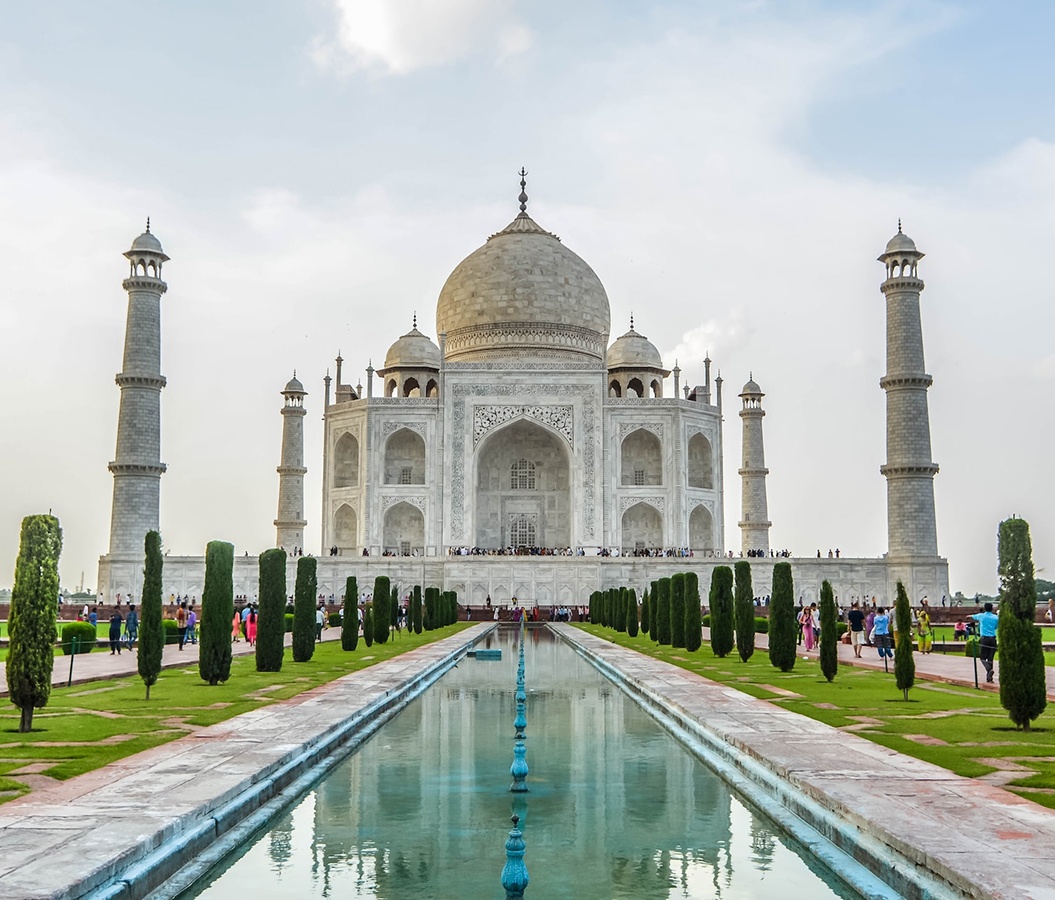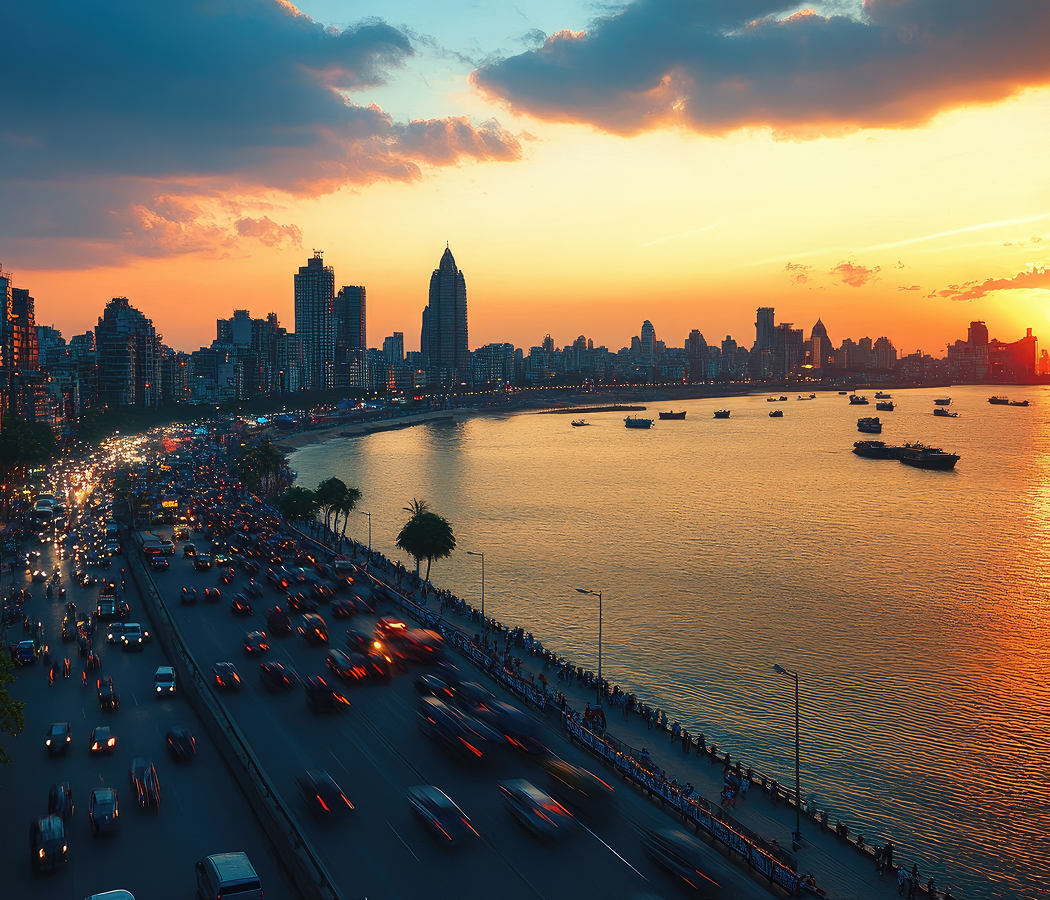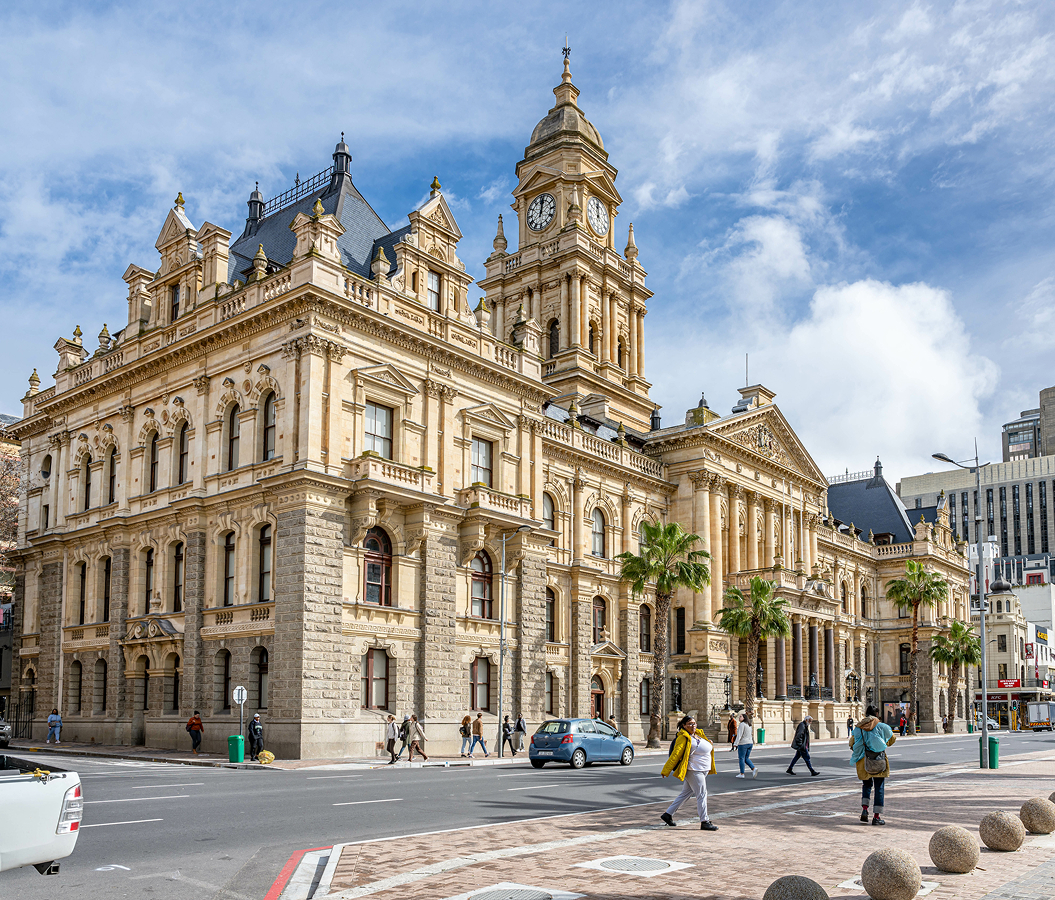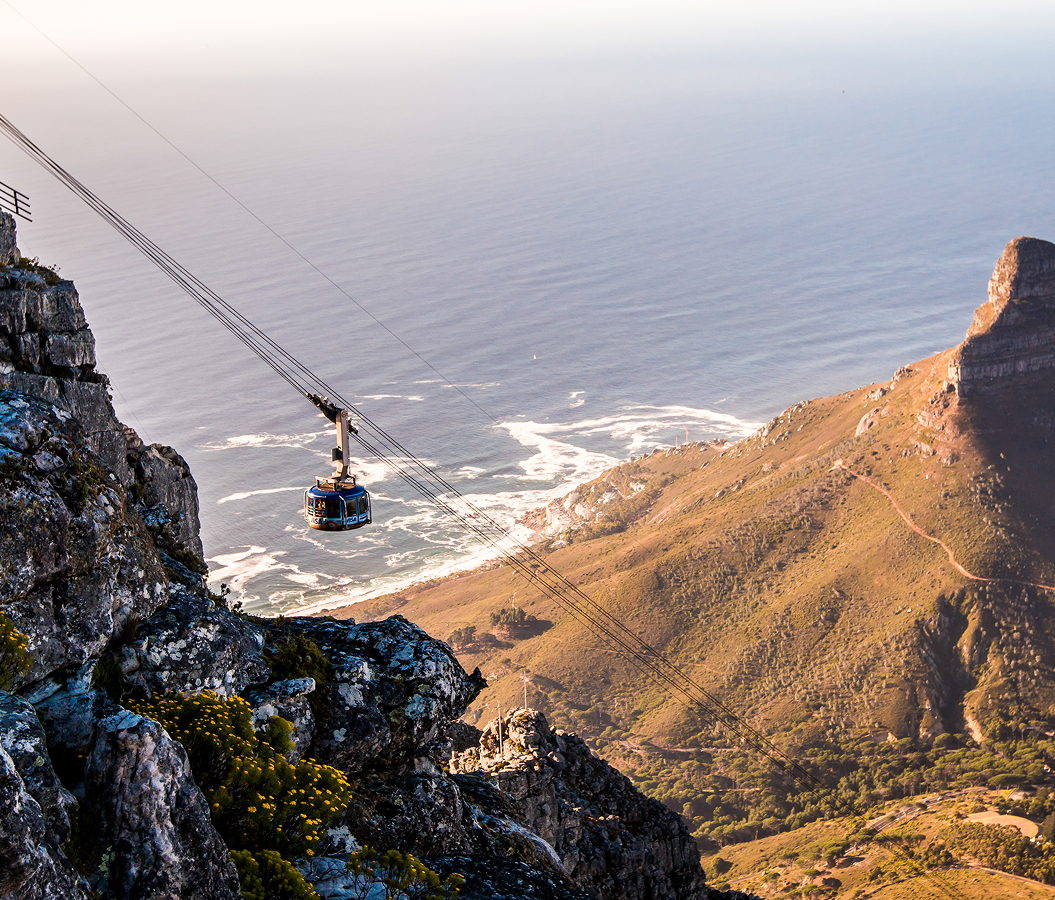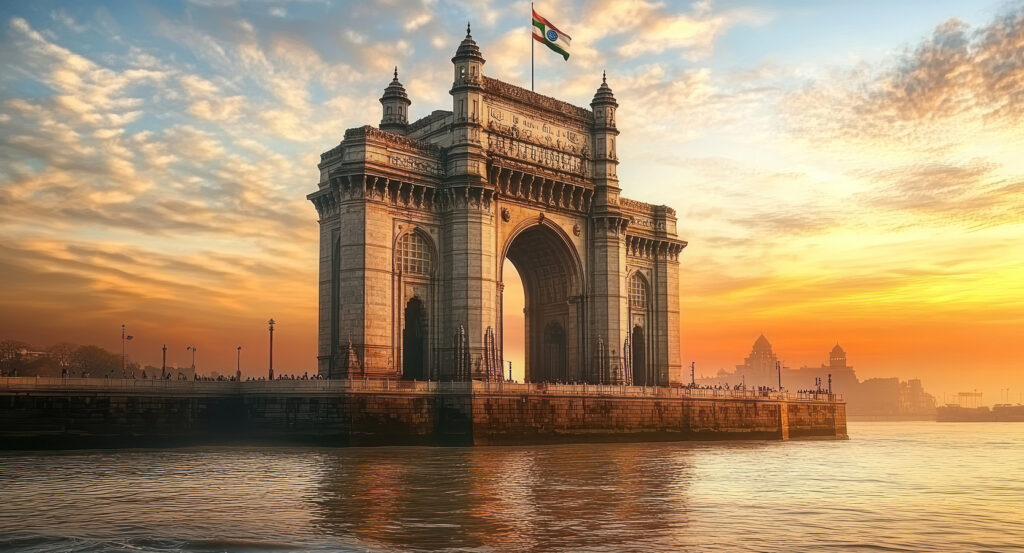
Why you should experience Taj Mahal Palace Viewpoint in Mumbai, India.
The Taj Mahal Palace Viewpoint at the Gateway of India in Mumbai is where the city's grandeur and grace meet eye to eye, a vantage point that frames both history and beauty in perfect symmetry.
From this spot along the Apollo Bunder Promenade, the Taj Mahal Palace Hotel rises like a mirage of domes and arches, its terracotta façade glowing against the Arabian Sea. The hotel's Moorish balconies and Florentine windows seem to breathe as the light shifts through the day, from the soft blush of dawn to the amber fire of sunset. In front of it, the Gateway of India's basalt arch anchors the scene, one built as a symbol of empire, the other reborn as a monument of hospitality and resilience. Between them lies a story told in stone and sea breeze: Mumbai's past, its pulse, and its enduring sense of poise.
What you should know about Taj Mahal Palace Viewpoint.
The Taj Mahal Palace isn't marked by signs or fences, yet it has long been one of Mumbai's most symbolic perspectives.
Built in 1903 by industrialist Jamsetji Tata, the Taj Mahal Palace Hotel predates the Gateway by over two decades and was conceived as a statement of Indian excellence during the British Raj. Legend claims Tata commissioned it after being denied entry to a European-only hotel, transforming that exclusion into creation, a gesture that changed the city skyline forever. When viewed from the promenade, the hotel's architecture unfolds like a layering of influences: Islamic domes, Renaissance arches, and Victorian symmetry, all woven into one unified design. The central dome, 60 meters high, was among the first landmarks visible to ships entering Bombay Harbor, greeting travelers with the promise of civilization and warmth. Few realize that the hotel served as a hospital during World War I, cared for Allied officers, and later became a symbol of unity during India's independence movement. Its resilience was tested again in 2008, when it withstood and overcame tragedy, its restoration led by artisans who treated every tile and fresco as sacred. The viewpoint, therefore, is not just visual, it's resonant. To look upon the Taj from here is to witness a century of endurance and elegance standing tall over the sea.
How to fold Taj Mahal Palace Viewpoint into your trip.
The Taj Mahal Palace Viewpoint is best experienced in silence, a moment to let Mumbai's majesty wash over you.
Position yourself directly across from the hotel along the Apollo Bunder Promenade, near the railings between the Gateway of India and the Arabian Sea Jetty. The view is breathtaking at sunrise, when the first light crowns the dome in gold, or at dusk, when the façade glows like a lantern against the darkening sky. For the finest composition, step slightly toward the eastern side of the promenade, where both the Taj and the Gateway align within a single frame, a favorite among photographers. Early mornings offer peace and pastel skies, while evenings bring the buzz of life and the scent of the sea. After taking in the view, consider crossing to the Taj Mahal Palace's Sea Lounge or Harbour Bar, both of which offer elevated perspectives through arched windows overlooking the harbor. Spend 30 minutes at this spot, allowing yourself to move with the light, each moment reveals a different mood, from regal stillness to cinematic motion. Whether you photograph it or simply watch, the Taj Mahal Palace Viewpoint reminds you that Mumbai's beauty isn't in monuments alone, but in the enduring harmony between architecture, history, and horizon.
Where your story begins.
Foresyte Travel reveals places that feel extraordinary long before you arrive.
Experience premium editorial crafted for luxury travelers.