Why Grand Hotel et de Milan matters.
Grand Hotel et de Milan is where aristocratic history meets timeless sophistication, where Milanese cultural legacy blends with discreet five-star elegance, and where stepping inside feels like entering a preserved world, one filled with art, memory, music, and the quiet grandeur of a hotel that has hosted legends for more than a century and a half.
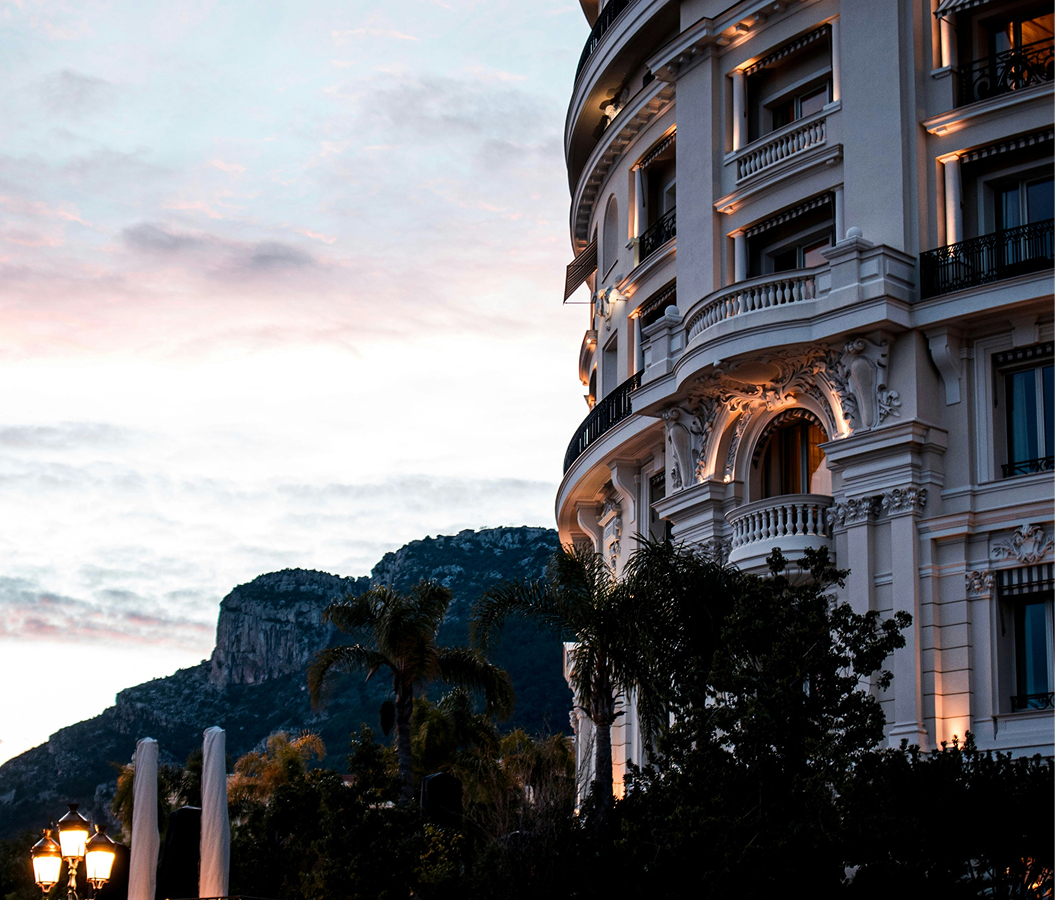
Set on Via Alessandro Manzoni, among Milan's most prestigious historic boulevards, the hotel rises with a dignified 19th-century façade, arched windows, wrought-iron balconies, carved stone, and a noble confidence that hints at the stories within. Step through the doors and the shift is profound: parquet floors, antique furniture, velvet seating, curated oil paintings, warm lighting, marble accents, and an atmosphere steeped in Old World refinement. You feel the presence of history instantly, this is not just a hotel; it is a cultural institution. Rooms and suites embody classical Italian elegance at its most authentic. Expect rich textiles, damask wallpapers, vintage trunks, Persian rugs, carved wooden armoires, sculptural lamps, and curated antiques that feel inherited. Tall windows open onto Via Alessandro Manzoni or the quiet internal courtyards, filling each room with Milan's golden light. Bathrooms are luxurious, with marble surfaces, soaking tubs or rain showers, heated floors, and amenities crafted to elevate the daily ritual. Suites amplify everything, larger layouts, separate salons, writing desks, heritage décor, fresco-style touches, curated libraries, and the unmistakable feeling of inhabiting a refined Milanese residence. The Verdi Suite is the crowning jewel, famously home to Giuseppe Verdi for decades as he composed some of his most celebrated operas. The space remains a living museum of musical history, an intimate link to Italy's artistic soul. The hotel's salons and lounges deepen its charm: the Gerry's Bar, with its rich tones and soft lighting; the intimate sitting rooms adorned with art and relics from famous guests; and the warm, aristocratic embrace of spaces that have welcomed royals, writers, actors, diplomats, and dreamers for generations. Dining is best known for history, atmosphere, and refined Italian cuisine. Don Carlos, the hotel's famous gourmet restaurant, is a tribute to Verdi, adorned with theatrical memorabilia, crimson drapery, candlelit elegance, and dishes that reinterpret Milanese tradition with sophistication. The Caruso Restaurant, overlooking Via Alessandro Manzoni, offers lighter, contemporary dining with an upscale brasserie feel, perfect for lunch or an elegant aperitivo. Service is impeccable, discreet, warm, intuitive, and anchored in the deep traditions of a hotel that understands heritage as a form of luxury. Staff move with the grace of custodians of history, making every guest feel like part of the lineage that has shaped this iconic property. The location is unbeatable: steps from La Scala, the fashion district, the Galleria Vittorio Emanuele II, the Duomo, and Brera. Grand Hotel et de Milan is elegant, aristocratic, cultural, intimate, atmospheric, and ideal for travelers who want not just a stay, but an encounter with the living history of Milan.
What defines Grand Hotel et de Milan.
Grand Hotel et de Milan stands on land shaped by centuries of Milanese evolution, noble residences, theatrical circles, literary salons, and the transformation of Via Alessandro Manzoni into one of the city's most refined cultural corridors.
In the 18th century, this stretch of land formed part of the aristocratic grid that extended from the historic core toward the emerging cultural district near La Scala. Noble families built palazzi, courtyards, gardens, and private salons here, using the area as a refined counterpart to the thriving medieval center. The land beneath the hotel once belonged to one such noble residence, which historical maps indicate included service buildings, stables, and a small garden. In the 19th century, Milan's transformation accelerated. The construction of Teatro alla Scala in 1778 turned Via Alessandro Manzoni into a cultural artery frequented by composers, musicians, actors, aristocrats, and intellectuals. The building that would become Grand Hotel et de Milan was commissioned in the mid-1800s as Milan entered a period of rapid development linked to the Risorgimento. A lesser-known detail: the hotel opened in 1863 specifically to serve elite travelers visiting La Scala and the surrounding cultural institutions. It quickly became a favorite gathering place for artists, diplomats, royalty, and literary figures. Verdi moved into the hotel permanently, composing Otello and Falstaff from his private suite. During renovations in the 20th century, engineers uncovered remnants of the early palazzo foundations beneath the modern structure, stone alignments, drainage channels, and brick clusters tied to the noble estate that once occupied the block. The hotel also survived wartime turbulence. During World War II, while the surrounding district suffered bombing damage, much of the hotel remained intact, preserving its historic architecture and interior layout. Another little-known detail: several renowned figures used the hotel as an informal salon. Writers like Thomas Mann, actors like Maria Callas, fashion icons, politicians, and musicians gathered in its lounges, contributing to a cultural mythology that remains embedded in the property today. Grand Hotel et de Milan stands not simply as a hotel but as a historical container, housing Milan's artistic, political, and cultural memory across 160 years.
How Grand Hotel et de Milan fits.
Grand Hotel et de Milan becomes the cultured, elegant, resonant anchor of your Milan journey, where mornings begin with aristocratic calm, afternoons unfold through opera, fashion, and history, and evenings settle into candlelit dining and the soft glow of Via Alessandro Manzoni.
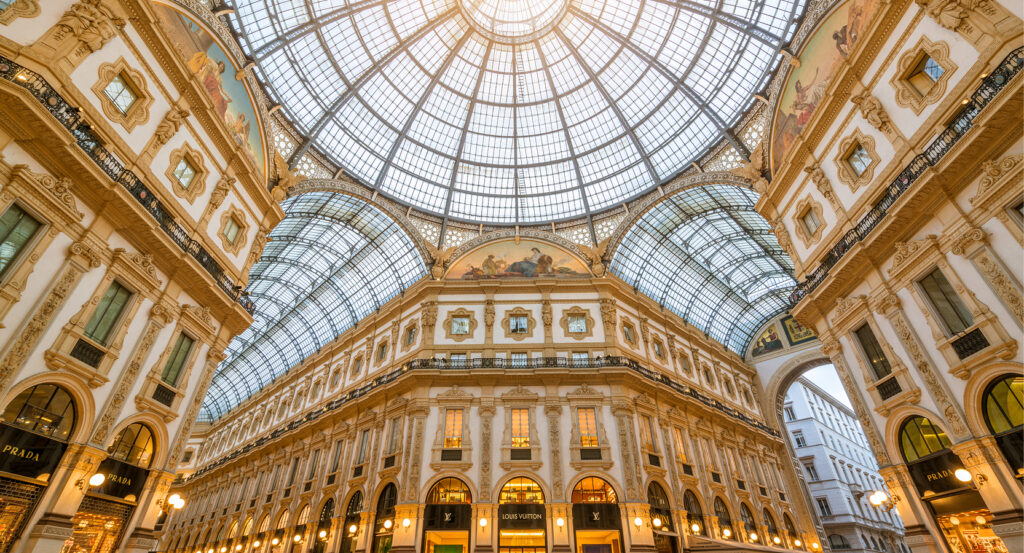
Start the morning with breakfast in the refined dining room, fresh pastries, fruit, cappuccino, Italian cheeses, and à la carte classics served with quiet sophistication. After breakfast, walk down Via Alessandro Manzoni toward La Scala. Visit the opera museum or simply enjoy the prestige of the square where Milan's artistic heart beats. Continue into the Galleria Vittorio Emanuele II, admire its iron-and-glass vaults, browse boutiques, and emerge at the Duomo for stunning architecture and rooftop views. Late morning, wander into Brera for art galleries, antique shops, artisan studios, and atmospheric cafés. Return to the hotel for a midday break, rest in your historic room, enjoy a quiet drink at Gerry's Bar, or simply sit in one of the refined lounges absorbing the timeless atmosphere. In the afternoon, explore the Quadrilatero della Moda for couture shopping or stroll toward Castello Sforzesco and Parco Sempione for a balance of nature and history. As evening arrives, enjoy aperitivo at Caruso Restaurant, then savor a refined, candlelit dinner at Don Carlos, an operatic tribute to Verdi that transforms dining into an emotional, theatrical experience. After dinner, attend a performance at La Scala or stroll through the softly lit streets around Via Alessandro Manzoni and Piazza San Fedele. Return to the hotel for a peaceful wind-down, dimmed lights, marble bath, plush fabrics, and the deep, historic quiet of one of Milan's most storied hotels embracing you.
Where your story begins.
Foresyte Travel reveals places that feel extraordinary long before you arrive.
Enjoy editorial crafted for luxury travelers.
Foresyte may earn a commission when you book.