
Why you should experience Henn na Hotel Tokyo Asakusa Tawaramachi in Tokyo, Japan.
Henn na Hotel Tokyo Asakusa Tawaramachi is where the future hums through the walls like a quiet electric prophecy, where robots greet you with an almost spiritual composure, and where the ancient pulse of Asakusa spills through the neighborhood with a cinematic duality that makes every moment feel suspended between centuries, a hotel that behaves less like an address and more like a doorway into Tokyo's most hypnotic overlap of old-world ritual and next-era imagination.
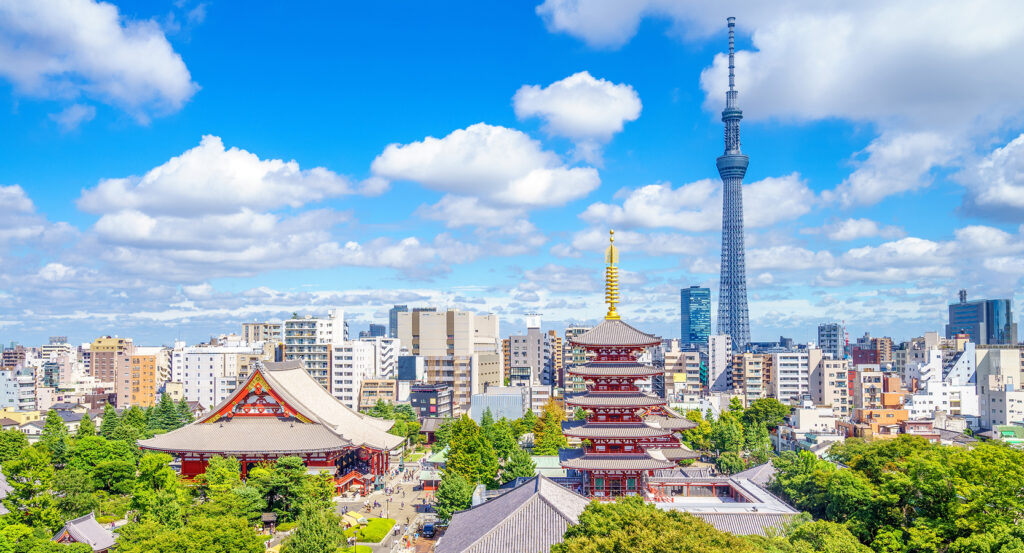
Set along the atmospheric grid of Asakusa, among Tokyo's most storied districts, where incense curls through temple gates and lantern-lit streets glow with a nostalgia that seems to rise straight from the Edo period, Henn na Hotel stands as a delightful contradiction: a technologically advanced sanctuary positioned within one of the city's most historic enclaves. This contrast is the magic. You check in with multilingual robotic hosts whose movements are unnervingly smooth, almost theatrical, as if they've been trained by a director obsessed with precision. The experience feels lively yet strangely elegant, not novelty for novelty's sake, but a nod to the seamless efficiency Tokyo is revered for. Guest rooms are compact, intelligent, and thoughtfully optimized, blending soft lighting, clean architecture, and quiet, ultra-functional design that makes everything feel intentional. Beds cradle you in that signature Japanese comfort, bathrooms gleam with intuitive layouts, and smart-room features adjust the temperature, lights, and airflow with a whisper. Step outside and the entire Asakusa universe unfurls around you: Senso-ji Temple glowing under vermilion beams, Nakamise Street alive with traditional sweets and crafts, the Sumida River flowing past bridges that look especially dreamlike by night. The hotel becomes your anchor, futuristic but gentle, efficient yet comforting, a pocket of quiet sophistication in the middle of Tokyo's most cultural heartbeat.
What you should know about Henn na Hotel Tokyo Asakusa Tawaramachi.
Henn na Hotel Tokyo Asakusa Tawaramachi occupies a district layered with centuries of spiritual, architectural, and cultural metamorphosis, a neighborhood shaped by fire, rebirth, craftsmanship, pilgrimage, and Tokyo's relentless evolution into one of the world's most technologically advanced cities.
Asakusa is one of Tokyo's oldest cultural centers. For over 1,000 years, pilgrims traveled from distant provinces to visit Senso-ji, Tokyo's oldest Buddhist temple, built in 645 AD. Around it grew a dense network of merchants, artisans, performers, and storytellers who shaped the area into a thriving cultural engine long before Tokyo became a global metropolis. The very street grid around Henn na Hotel follows pathways that trace back to the Edo period, narrow lanes originally carved for foot traffic, vendors, and the rhythmic movement of festival processions. Tawaramachi itself was historically a trade hub, named after the straw bags used for rice storage that once lined the district. The hotel stands in the shadow of Japan's delicate architectural paradox: buildings constructed with precision and craftsmanship, yet rebuilt repeatedly due to fires, earthquakes, and modernization efforts. This cycle of renewal is part of Asakusa's personality, a district reborn, yet always anchored in its spiritual origins. The technological novelty of Henn na Hotel is more than a quirky concept; it reflects Japan's cultural pivot toward robotics and AI as instruments of hospitality and labor efficiency. The robotic staff is not random whimsy, Japan has been experimenting with service-robot integration since the 1980s, blending social robotics with omotenashi, the cultural philosophy of wholehearted hospitality. Even the minimalist room layouts mirror Japan's architectural discipline: maximizing comfort within limited space, reducing visual clutter, and embracing the idea that serenity is created through simplicity. Outside the hotel, hidden cultural threads run everywhere, from traditional confectioneries using recipes passed down through families for generations, to small theaters preserving rakugo storytelling, to ukiyo-e workshops still practicing woodblock printing. The clash of eras around Henn na Hotel is not accidental; it is the essence of Asakusa's soul, where past and future coexist so harmoniously that even the robots feel like part of the neighborhood's long narrative of reinvention.
How to fold Henn na Hotel Tokyo Asakusa Tawaramachi into your trip.
Henn na Hotel Tokyo Asakusa Tawaramachi becomes the effortless, futuristic home base from which you explore the most atmospheric, spiritually charged, and culturally cinematic pocket of Tokyo, a stay that blends efficiency with wonder, and comfort with the quiet thrill of stepping into tomorrow.
Begin your morning by waking in a room softly lit by adjustable smart lighting that mimics the delicate glow of dawn over the Sumida River. Let the room warm itself while you stretch, open the curtains, and take in the charming neighborhood below, a grid of small shops, bicycles, lanterns, and the occasional monk passing in quiet concentration. Head out early to Senso-ji, where incense smoke drifts in slow-motion spirals and worshippers clap, bow, and whisper prayers beneath the iconic Thunder Gate. Arriving early means you get that rare, serene moment before the crowds, a chance to listen to the temple bells echoing through crisp morning air. Wander down Nakamise Street for warm ningyo-yaki cakes, fresh senbei rice crackers, and souvenirs crafted with traditional techniques that feel far from the mass-produced trinkets of modern retail. Return to the hotel for a mid-morning reset, cool air, smart controls, and the satisfying calm of a room designed to simplify everything. In the afternoon, venture toward the Sumida River for a leisurely walk or river cruise, or explore the retro charm of Kappabashi Street, Tokyo's kitchenware and chef-supply capital. If you follow the neighborhood's quieter backstreets, you'll find artisan workshops, tiny cafés, and storefronts that feel suspended in time. As evening approaches, make your way to Tokyo Skytree for a sweeping view of the city igniting into neon. Or stay within Asakusa and watch the district transition into its nighttime glow, lanterns flickering, street vendors preparing their final batches, and traditional izakayas filling with the warm sounds of clinking glasses and laughter. Return to the hotel, where the soft hum of technology greets you with a calming predictability: robots standing poised, lights adjusting automatically, and your room welcoming you back into quiet refuge. Whether you're a tech-loving traveler, a cultural explorer, a solo wanderer, or someone craving both futurism and nostalgia in equal measure, this hotel becomes a beautifully balanced anchor. It brings convenience without coldness, novelty without gimmick, and comfort without complication. When you depart, you'll carry the impression that Tokyo gave you something rare: a stay where innovation and tradition didn't compete, they danced.
Where your story begins.
Foresyte Travel reveals places that feel extraordinary long before you arrive.
Experience premium editorial crafted for luxury travelers.

















































































































