Why Hotel Sanders matters.
Hotel Sanders is where refined restraint, cultural immersion, and tactile elegance converge, a stay that feels both deeply Copenhagen and quietly distinct, offering a sense of place that lingers long after departure.
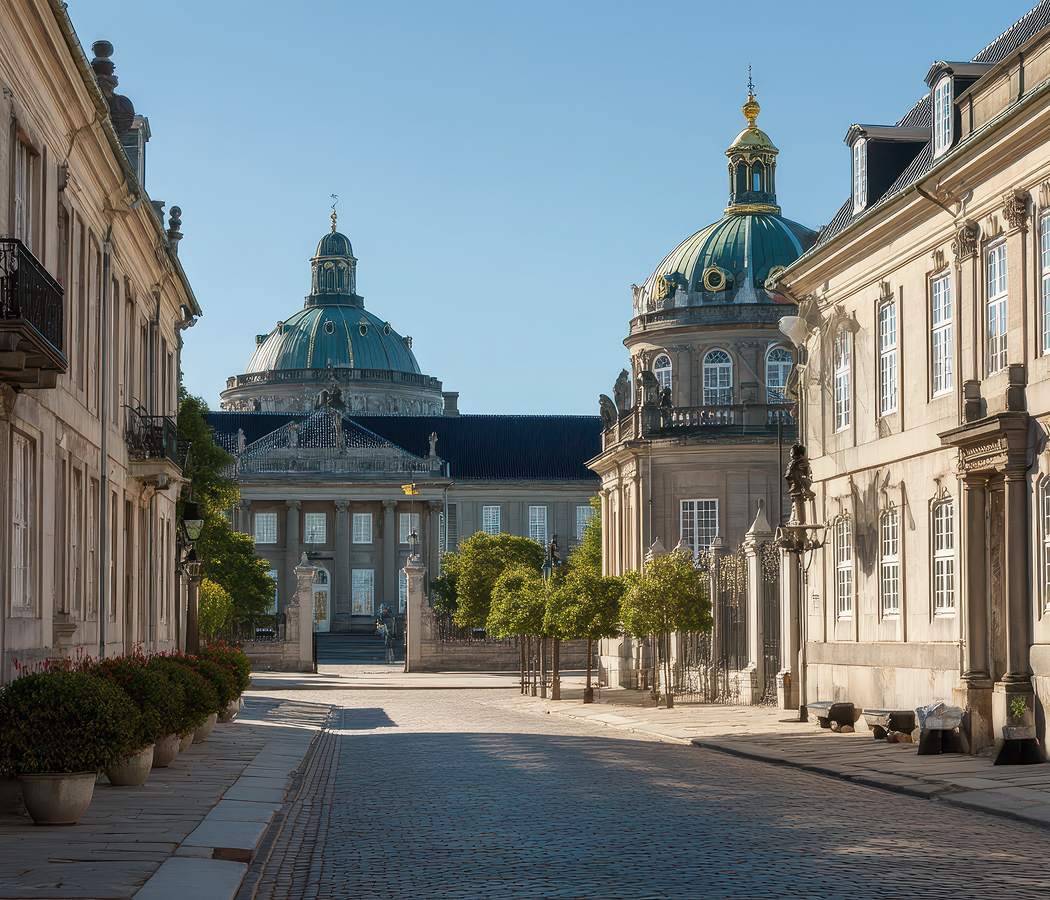
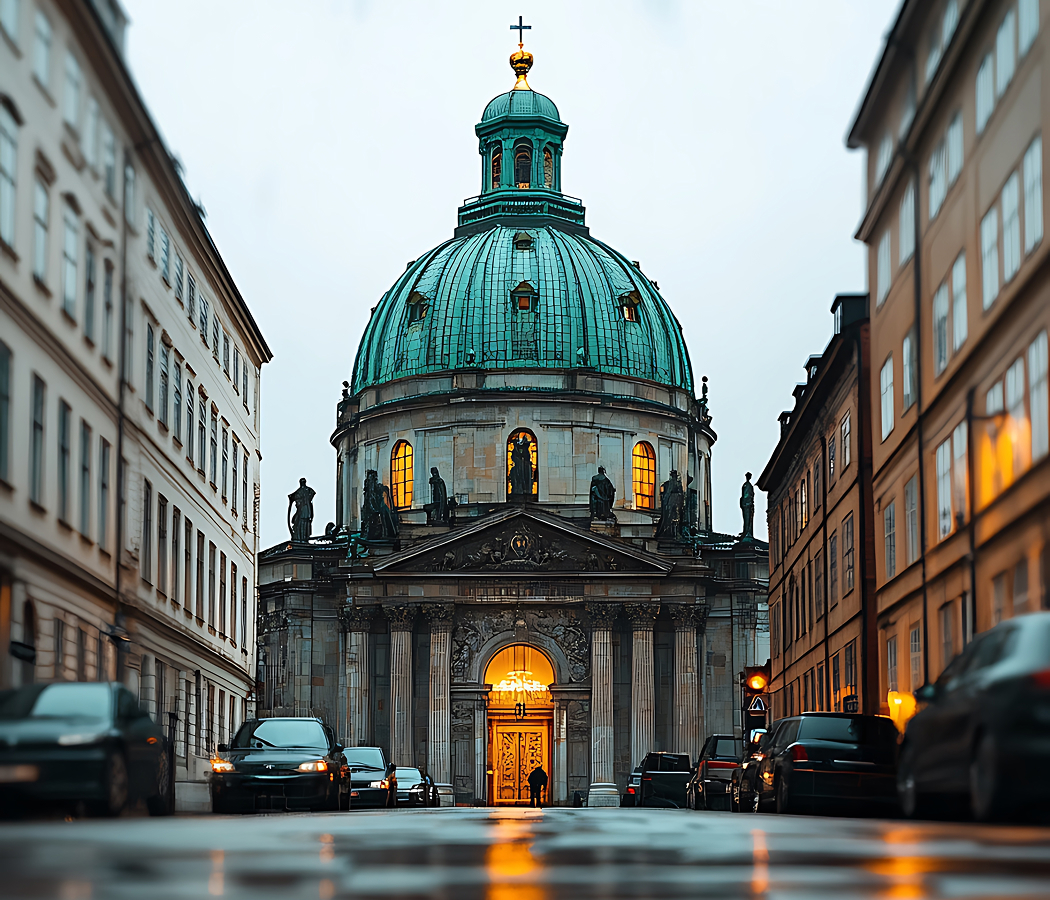
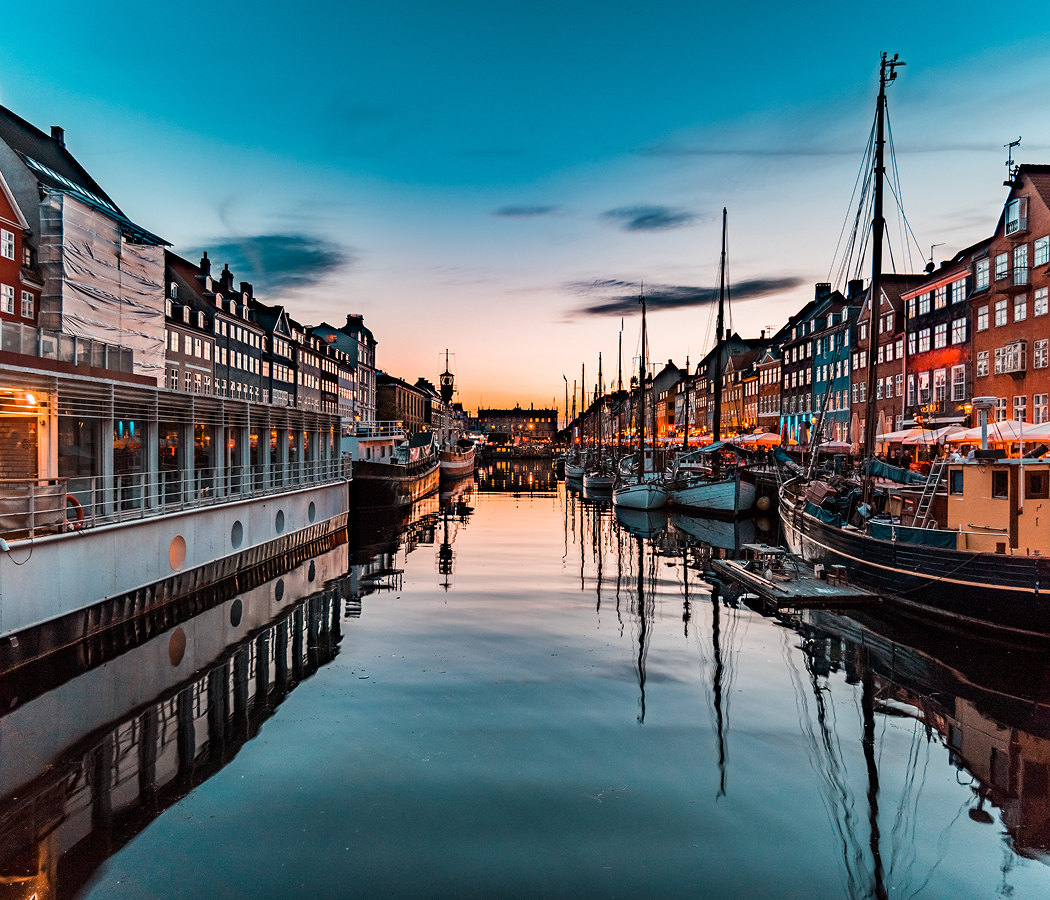
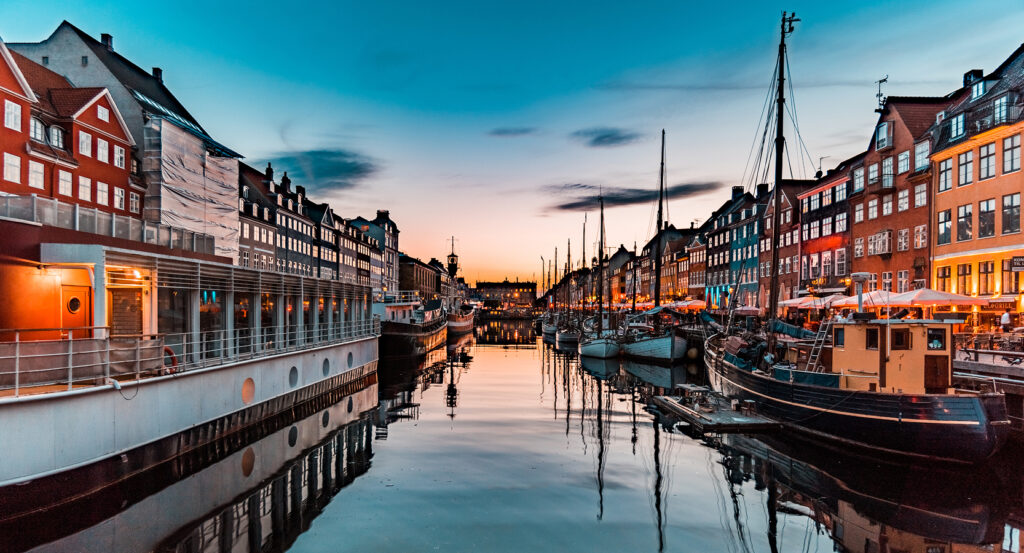
Tucked just steps from Kongens Nytorv and the Royal Danish Theatre, Hotel Sanders occupies a corner of the city that is timeless yet quietly cultured. Arrival here feels intentional; there is no theatrical fanfare, only a measured entrance into calm refinement. The exterior façade speaks quietly of purpose, a blend of historic dignity and contemporary poise, hinting at a stay that will feel distinctive because of what it contains, not because it demands applause. Step inside and the atmosphere settles into composed sophistication. Interiors feel layered and tactile, built on a language of muted colors, rich textures, and material depth that prioritizes presence and tactility over visual noise. Public spaces unfold with a sense of balance: seating arranged for real conversation, lighting that feels warm rather than dramatic, and surfaces that welcome touch rather than demand notice. There is a sense here that the hotel exists to be inhabited, not observed. Guest rooms extend this quiet confidence into private space. Layouts are thoughtful and generous, designed to support wheels on luggage, quiet work moments, repose, and reflection all within one coherent space. Beds are deeply comfortable and dressed in linens that invite sleep and ease over sharp visual presentation. Furnishings are modern but rooted in craftsmanship, materials chosen for tactility and longevity. Color palettes are composed to calm the senses rather than stimulate them, allowing light and proportion to shape mood rather than contrast or flourish. Windows frame soft city views, rooftops, tree-lined streets, or elegant façades, anchoring you to place. Bathrooms continue this refined clarity: curated lighting, quality fixtures, and finishes that feel substantial. The experience here feels intentional and functional. What defines Hotel Sanders is its quiet cultural resonance. This is not a hotel that thrusts itself forward; it participates. Public areas feel social without noise, calm without emptiness, and deeply connected to the surrounding neighborhood's artistic and historic identity. Conversations here feel easy, afternoons feel considered, and evenings settle into a composure that feels natural. Service throughout the hotel is polished, sincere, and intuitive. Staff interactions are warm without being intrusive, informed without being rehearsed. Guidance often points you toward contextual nuance, the best time to catch golden light on a canal, a less-known gallery around the corner, a café favored by locals. These insights feel rooted in lived familiarity. Step outside and Copenhagen unfolds immediately in its layered dimensions. Historic squares, classical architecture, Nyhavn's waterfront energy, independent boutiques, and intimate cafés all sit within a short walk, allowing exploration that feels connected. Returning to Hotel Sanders never feels like stepping back from the city, it feels like grounding within it. The hotel is ideal for travelers who want Copenhagen to feel composed, culturally rich, and present, a stay defined by depth and nuance.
What defines Hotel Sanders.
Hotel Sanders is deeply shaped by a design philosophy that prioritizes context, material continuity, and physical calm over novelty or theatrical flair, an approach that mirrors the city's own architectural character.
Rather than anchoring itself in decorative boldness, the hotel uses texture, proportion, and material resonance to create an environment that feels stable and lived-in rather than curated for momentary attention. Interiors are grounded in tactile materials, soft linens, muted woods, quietly textured surfaces, that age gracefully and reward repeated presence. This approach creates a spatial coherence rarely found in urban hotels, where rooms feel assembled. A subtle but important aspect of the hotel's character lies in how it manages scale and physical presence. Copenhagen's city rhythm is composed and layered. Hotel Sanders mirrors this by avoiding the extremes of visual intensity or complete neutral erasure. Instead, public spaces feel present without pressure, social without noise, and calm without detachment. Sound is moderated through material choices and spatial composition. Light is used to sculpt atmosphere. Corridors feel like paths of calm transition. Another overlooked dimension of Hotel Sanders lies in temporal sensitivity. Many contemporary hotels attempt to choreograph time through programmed moments or curated rituals. Sanders resists this impulse. Mornings arrive with quiet clarity. Afternoons unfold into thoughtful movement. Evenings settle into reflective calm. This creates a sense of continuity that aligns with how cities, especially Copenhagen, are actually lived. The service philosophy reflects this alignment. Staff interactions are grounded, perceptive, and genuinely human. Instead of performing scripted hospitality, team members engage with awareness, offering practical, context-sensitive guidance such as: the best moment to wander a quieter canal path, how to sequence visits to avoid crowds, or where to find a café that feels local rather than tourist-themed. These recommendations are shaped by nuance and lived familiarity. The hotel attracts a specific kind of traveler, those who value depth, subtlety, and context over grand gestures. Designers, cultural explorers, reflective travelers, and repeat visitors often gravitate here because the experience matches their pace and intention. Public spaces feel shared. Private spaces feel intentional. Staying here often reshapes how guests perceive Copenhagen itself: not as a checklist of highlights, but as a network of lived moments. Hotel Sanders becomes a lens, refined but unobtrusive, through which the city's character unfolds.
How Hotel Sanders fits.
Hotel Sanders works best when you let Copenhagen's layered rhythms, spatial nuance, and architectural presence guide your experience rather than rigid schedules or superficial highlights.
Begin your mornings with intentional calm. Step out early and walk toward Kongens Nytorv or the nearby canals while the city is still gathering itself. Let light move across façades, reflect on water, and orient your pace. Return for breakfast at the hotel or a nearby café, using that pause to plan direction. Late mornings are ideal for exploration that prioritizes texture over ticks. Visit galleries, historic squares, or quieter residential lanes where architectural nuance and lived presence register physically. Copenhagen rewards attention and time, not checklists. Return to Hotel Sanders midday for pause, not rest from activity, but integration of experience. Sit in a public space, read, observe movement, or simply reflect. This moment of stillness allows experience to deepen. In the afternoon, explore outward. Walk toward Nyhavn's waterfront, independent boutiques, or creative districts where Copenhagen's character is expressed in local rhythm. Let façades, light, and movement shape your route. Each return to the hotel feels like re-anchoring rather than retreat, stepping back into a composed center. As evening approaches, let dinner emerge organically. Choose a restaurant where atmosphere and conversation coexist rather than compete, where dishes feel thoughtful rather than theatrical. Copenhagen's culinary scene thrives where craft, ingredient, and discussion intersect. After dinner, take a slow walk back through softly lit streets, noting how the city's pace shifts under night light. Returning to Hotel Sanders at night feels like re-entry into calm engagement. On your final morning, linger longer than expected, one more coffee, one more quiet step through familiar streets, one more moment of intentional presence before departure.
Where your story begins.
Foresyte Travel reveals places that feel extraordinary long before you arrive.
Enjoy editorial crafted for luxury travelers.
Foresyte may earn a commission when you book.