Why Royal Danish Theatre matters.
Royal Danish Theatre is the living example of Denmark's artistic soul, a temple of performance that has carried the nation's voice for more than 250 years.
Standing proudly on Kongens Nytorv, the grand square that anchors Copenhagen's old town, the theatre radiates a quiet confidence, stately, refined, and deeply Nordic. Founded in 1748 under the patronage of King Frederick V, it remains the beating heart of Danish culture, home to the Royal Danish Ballet, Opera, and Drama companies. The moment you step into its marble foyer, the air feels charged, not with opulence, but with legacy. Chandeliers gleam above sweeping staircases, and golden accents shimmer against cool stone, evoking a kind of understated grandeur that defines Scandinavian elegance. The main auditorium, known as the Old Stage, glows with red velvet and gilded balconies, a design that somehow feels both regal and human. Its acoustics are flawless, its proportions intimate. When the curtain rises, you don't just witness art, you feel history breathing through every note, every movement, every pause. Royal Danish Theatre is more than a landmark; it's a living archive of Denmark's creative evolution, where tradition and innovation continue to dance in perfect rhythm.
What defines Royal Danish Theatre .
Beneath its graceful façade lies a story of cultural devotion, resilience, and reinvention that mirrors the Danish spirit itself.
Since its inception, the theatre has served not merely as an entertainment venue, but as the cradle of Danish identity. In the 18th and 19th centuries, it was here that playwrights, poets, and composers gave voice to a burgeoning sense of national pride, most notably through the works of Ludvig Holberg, the father of modern Danish drama. The theatre's architecture, originally designed by Niels Eigtved and later expanded by G.F. Hetsch, reflects neoclassical restraint rather than royal excess, a deliberate gesture toward democratic art. During the Enlightenment, its stage became a forum for intellectual and resonant expression, shaping Denmark's cultural consciousness in ways that still resonate today. The Royal Danish Ballet, founded in 1771, remains one of the oldest in the world, and it was within these walls that choreographer August Bournonville developed his famously buoyant technique, a style so distinct it continues to define Danish ballet worldwide. Despite wars, occupations, and fires that tested its endurance, the theatre has never gone dark for long. Its 2005 expansion, the ultramodern Opera House across the harbor, and the addition of the Playhouse (Skuespilhuset) in 2008 mark a new era of creative versatility. Yet the Old Stage remains its heart, the place where royal premieres meet avant-garde productions, where Mozart, Wagner, and Danish composers alike share the same reverent air. Even backstage, the theatre hums with precision, from costume ateliers filled with silk and lace to set workshops where artisans craft dreamscapes by hand. Each production is a collaboration of hundreds, executed with the quiet excellence that defines Danish craftsmanship.
How Royal Danish Theatre fits.
To visit Royal Danish Theatre is to experience Copenhagen at its most graceful and expressive, where centuries of artistry unfold before the eyes.
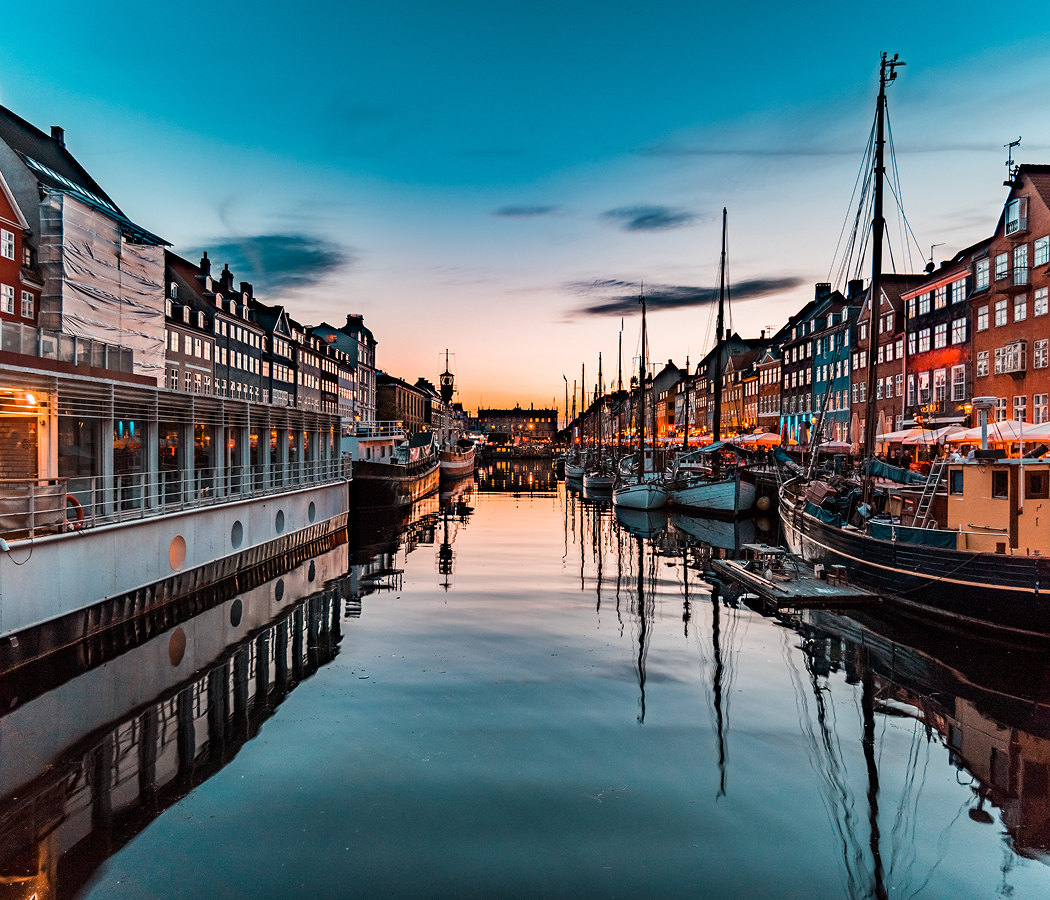
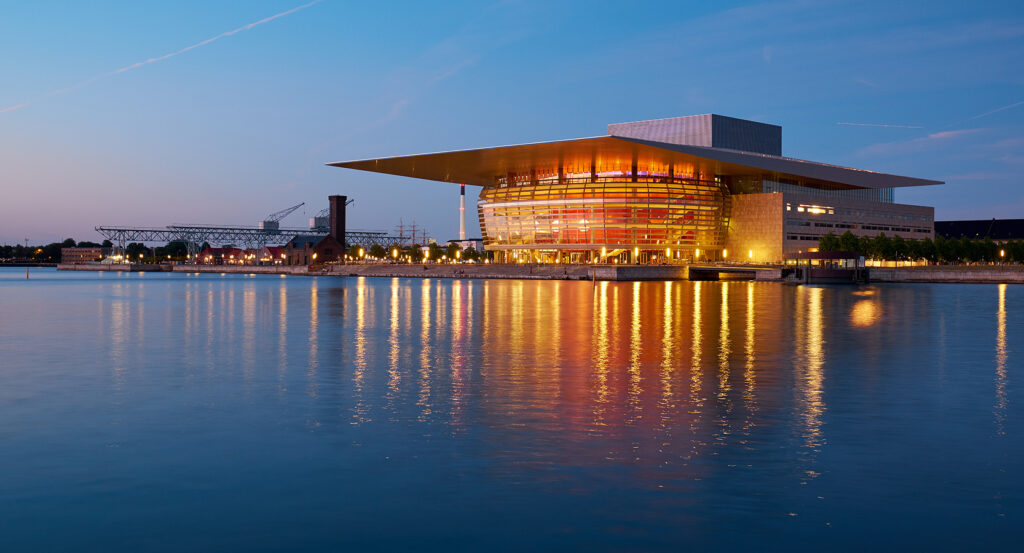
Begin your evening in Kongens Nytorv, where cobblestone streets meet the glow of gas lamps and the air hums with anticipation. The theatre's grand façade, adorned with statues of Apollo and the Muses, feels timeless, an open invitation to step into Denmark's cultural heart. If you visit by day, take a guided tour through the Old Stage to see its intricate interiors, royal boxes, and historic rehearsal rooms where generations of artists trained. Learn how the Royal Danish Ballet still teaches the Bournonville method, passing its elegance from dancer to dancer like a secret language. For a fuller immersion, attend a live performance, whether it's a ballet like La Sylphide, an opera, or a modern play. Dress with Scandinavian restraint, sharp lines, simple fabrics, quiet confidence, and arrive early to enjoy a glass of wine in the marble foyer before the lights dim. When the orchestra begins to play, the acoustics envelop you in clarity and warmth, a sound so balanced it feels alive. Afterward, step outside into the crisp Copenhagen night. Across the canal, the shimmering lights of the new Opera House reflect in the water, a symbol of continuity between eras. Walk down Nyhavn, just steps away, where the pastel buildings and boats create a postscript of calm beauty after the intensity of performance. Even if you can't attend a show, a visit to the theatre's café or a public tour offers a glimpse into its world, a rare blend of history, artistry, and humility. Royal Danish Theatre isn't just where Denmark performs, it's where it remembers who it is. To sit beneath its gilded ceiling is to witness the poetry of a nation expressed not in words, but in movement, melody, and light. It is, in every sense, a masterpiece of cultural endurance and grace.
Where your story begins.
Foresyte Travel reveals places that feel extraordinary long before you arrive.
Enjoy editorial crafted for luxury travelers.
Foresyte may earn a commission when you book.