
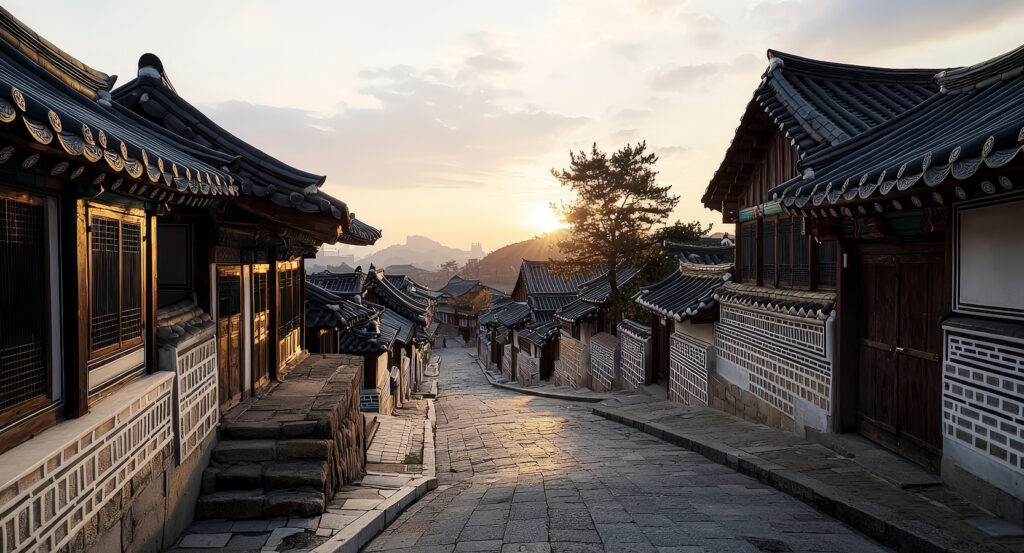
Why you should experience Hotel Sunbee Insadong in Seoul, South Korea.
Hotel Sunbee Insadong is where warm Korean hospitality meets the artistic heartbeat of the city, where the spirit of traditional Seoul blends seamlessly with comforting modern simplicity, and where stepping inside feels like entering a gentle, light-filled refuge tucked into one of the most culturally expressive neighborhoods in the entire country.
Set on a quiet lane just steps from Insadong-gil, the hotel sits in the perfect sweet spot between energy and calm, close enough to feel the pulse of Seoul's most iconic craft district, yet sheltered enough to give you peaceful mornings, quiet evenings, and a sense of home-like ease throughout your stay. From the outside, Sunbee is understated and inviting, blending into the neighborhood fabric with warm tones, clean lines, and a modest presence that mirrors Insadong's mix of tradition and modernity. Step into the lobby and the mood shifts into something soft, bright, and deeply comforting. Natural light, simple décor, smooth wood textures, and an airy openness create a subtle tranquility that instantly unwinds the senses. The environment feels personal and human, not corporate, not flashy, but thoughtfully crafted around guest comfort in a way that reflects the authenticity of the neighborhood around it. Guest rooms maintain this gentle, understated aesthetic. Expect spacious layouts, comfortable bedding wrapped in crisp linens, warm lighting, uncluttered design, and windows that frame quiet alleyways, tiled rooftops, or the subtle glow of Jongno. The ambiance is peaceful and welcoming, with just enough traditional Korean influence in the textures and colors to make the rooms feel rooted in place. Bathrooms are clean, modern, and thoughtfully arranged: walk-in showers, deep soaking tubs in many rooms, bright lighting, and amenities designed for easy, restorative routines. The larger rooms and suites offer extended seating areas, wider windows, and an almost residential sense of space, making the hotel an excellent choice for multi-day stays. One of Hotel Sunbee's defining strengths is its atmosphere, warm, unpretentious, and genuinely hospitable in a way that captures the best of Korean guest culture. Staff members greet you with kindness, offer tea, help with directions, make thoughtful recommendations, and provide support that feels attentive. It's the kind of hospitality that creates resonant comfort as much as physical ease. The rooftop terrace is a quiet gem, a peaceful outdoor space where you can sip coffee, breathe fresh air, and enjoy a moment of calm above the flow of the city. It feels like a hidden sanctuary, ideal for starting your morning slowly or ending your night with a soft, lantern-lit skyline. Breakfast is simple, nourishing, and served with sincerity, a mix of Korean and Western selections presented in a casual, friendly environment that feels more like a neighborhood café than a hotel dining room. And while the food is charming, the real feast lies just outside the hotel doors. The location is spectacular. Within seconds, you're on Insadong-gil, a pedestrian street lined with calligraphy shops, ceramic studios, craftspeople, hanbok boutiques, teahouses, dessert cafés, and galleries.
What you should know about Hotel Sunbee Insadong.
Hotel Sunbee Insadong stands on land shaped by centuries of artistry, scholarship, and traditional commerce, a district where Korea's cultural and intellectual character has been crafted, transformed, and preserved for over half a millennium.
In the Joseon Dynasty, this part of Insadong was home to middle-class scholars, calligraphers, and artisans who lived in hanok residences arranged around winding alleyways. Small workshops filled the area, producing brushes, ink sticks, hanji paper, ceramic pigments, wooden stamps, and stone seals, the very tools of Korean artistic tradition. This district was considered one of the central hubs for the literati, who created poetry, paintings, scrolls, and philosophical writings that influenced national culture for generations. In the early 20th century, the area shifted into an antique trading neighborhood. Families forced to sell valuables during occupation-era hardships found buyers among Insadong's emerging network of dealers, many of whom operated out of modest hanok storefronts near where the hotel stands today. These shops became responsible for preserving countless Korean artifacts, paintings, pottery, wooden carvings, bronze pieces, manuscripts, that might otherwise have been lost during political upheaval. The narrow street behind the hotel was once known for its concentration of calligraphy tools and specialty paper shops. Historical maps show small compounds that served as both homes and studios where calligraphers practiced their work late into the night, their ink stones and brushes eventually entering the antique trade and becoming part of Korea's cultural heritage. In the mid-20th century, the immediate area became a gathering spot for activists, poets, and intellectuals during Korea's turbulent journey into modern democracy. Tea houses, some of which still operate today, hosted countless conversations about politics, literature, identity, and social change. During redevelopment in later decades, many neighboring hanok structures were replaced by modern buildings, but archaeological surveys uncovered pottery fragments, roof tiles, and ink stone shards beneath the surface, revealing the layers of artistry embedded in the land. Hotel Sunbee's understated, warm design quietly pays homage to this heritage through natural materials, soft tones, and a welcoming atmosphere that evokes the intimate hospitality of traditional Korean homes. While the original structures no longer remain, the property sits at the center of a district where culture was not just consumed but created, where artistic skill, intellectual curiosity, and community expression shaped a timeless legacy still visible today.
How to fold Hotel Sunbee Insadong into your trip.
Hotel Sunbee Insadong becomes your peaceful, culturally rooted home base, where mornings begin with temple bells, afternoons spill into palace courtyards and hanok alleys, and evenings settle into tea houses, soft lights, and the poetic rhythm of Seoul's historic heart.
Start the morning with a quiet walk to Jogyesa Temple as the monks recite early chants and lanterns flicker in the soft light. From there, wander into Insadong's artisan-lined lanes before the day becomes busy, browsing pottery studios, paper shops, calligraphy stores, and tiny galleries. Continue toward Gyeongbokgung Palace to explore its sprawling courtyards, mountain-framed gates, and ceremonial traditions, or head to Changdeokgung for its Secret Garden pathways. Return to the hotel midday for a rest, a cup of tea, or time on the rooftop terrace. In the afternoon, explore Bukchon Hanok Village for panoramic views, artisan cafés, and traditional residences, or slip into Ikseon-dong for whimsical desserts, indie boutiques, and atmospheric alleyways. As evening arrives, walk along Cheonggyecheon Stream under the city's soft lights or enjoy dinner in Jongno - Korean BBQ, noodle shops, traditional set menus, or contemporary Korean dining all within easy reach. End your night with a visit to a local tea house or a gentle stroll through lantern-lit streets before settling into your quiet, comfortable room for a peaceful sleep.
Where your story begins.
Foresyte Travel reveals places that feel extraordinary long before you arrive.
Experience premium editorial crafted for luxury travelers.

















































































































