Why InterContinental Real Santo Domingo matters.
InterContinental Real Santo Domingo is a defining urban hotel where Piantini's corporate culture meets Caribbean commerce, colonial history and Santo Domingo's role as the oldest continuously inhabited European-founded city in the Americas.
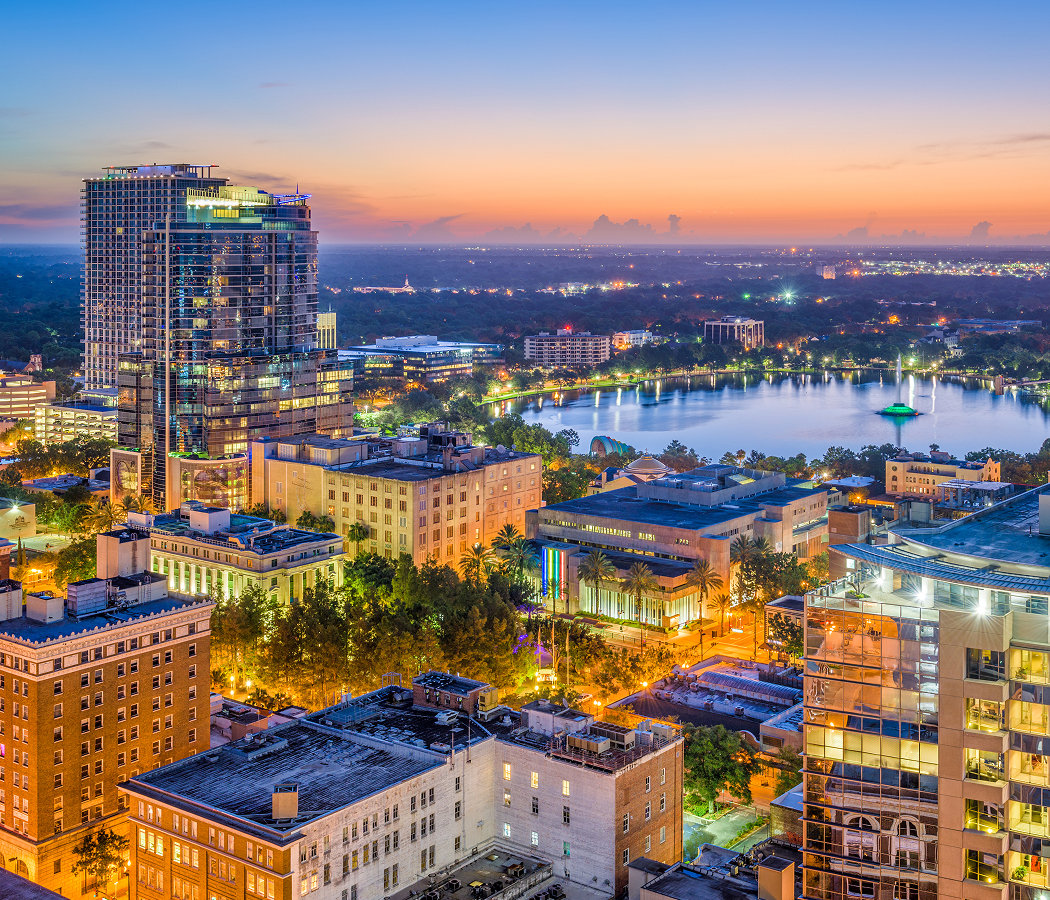
Set along Avenida Abraham Lincoln near Winston Churchill Avenue, InterContinental Real Santo Domingo occupies a position between Piantini's office towers, Blue Mall, the city's major business corridors and the roads leading toward the Malecón and Colonial City, with tropical hills and dense residential districts extending inland. Its distinctive physical setting combines a contemporary luxury hotel, high-rise commerce, shopping complexes, restaurants and the broad urban avenues of Central Santo Domingo. The city is encountered primarily through movement between the hotel, retail centers, business districts, restaurants, public parks and the roads connecting Piantini with the historic waterfront and Colonial Zone. A second atmosphere develops inside the property through restaurants, lounges, guest floors, spa spaces, fitness facilities, pools and event rooms that provide a polished refuge from traffic, heat and the activity of the capital. The result is an exceptional city hotel whose architecture and setting connect Santo Domingo's corporate economy, Caribbean climate, colonial history and contemporary metropolitan life.
What defines InterContinental Real Santo Domingo.
InterContinental Real Santo Domingo is best known for establishing a major international luxury hotel within Piantini, reinforcing the transformation of Santo Domingo's central business district into one of the Caribbean's most important concentrations of corporate investment, upscale residential development, and international hospitality. The project originated with Grupo Poma, the Salvadoran family-owned conglomerate whose commercial interests encompass real estate development, automotive distribution, and hospitality operations throughout Central America and the Caribbean. Ricardo Poma directed the group's regional expansion through Real Hotels & Resorts, its hospitality division, and Grupo Roble, its real estate development enterprise. The family's longstanding partnership with InterContinental Hotels Group had already produced a substantial portfolio of internationally branded hotels across El Salvador, Guatemala, Honduras, Costa Rica, and Miami. In October 2013, IHG announced the groundbreaking of the Santo Domingo project, extending that commercial relationship into the Dominican Republic through a development initially valued at $70 million. Grupo Roble commissioned architect Francisco Rodríguez Zaldívar to lead the architectural design, supported by Rubén Agurcia and Neiquel Filpo, with construction undertaken by a consortium involving Constructora Hermida and Constructora Diconfo. The project occupied a prominent site along Avenida Winston Churchill, the commercial corridor whose concentration of corporate headquarters, financial institutions, and upscale retail establishments helped establish Piantini's metropolitan importance. Construction between 2014 and 2016 produced a twenty-one-story tower encompassing 32,000 square meters, introducing a substantial new architectural landmark to the district's expanding skyline. The hotel opened on September 21, 2016, becoming the eighth InterContinental property within the Real Hotels & Resorts portfolio and strengthening IHG's presence in the Dominican capital. Its formal inauguration followed on November 9, with Dominican President Danilo Medina, Vice President Margarita Cedeño de Fernández, Tourism Minister Francisco Javier García, and senior executives from Grupo Poma and IHG participating in the ceremony. The presidential attendance underscored the development's significance as an international hospitality investment within the Dominican Republic's expanding service economy. The completed investment reached $84 million, reflecting the scale of Grupo Poma's commitment to the Santo Domingo market. The hotel also formed part of a larger commercial undertaking incorporating Roble Corporate Center, a thirteen-story office development designed by Grupo Roble and RTKL. This relationship established a direct connection between international hospitality and corporate infrastructure, integrating business accommodation with a major new office destination in the heart of Piantini. InterContinental Real Santo Domingo represents a defining chapter in Grupo Poma's Caribbean expansion and the continued development of Santo Domingo as a regional center for finance, international business, and luxury hospitality.
Watermark Design Studio developed the hotel's interior character around contemporary metropolitan luxury, translating the architectural character of Santo Domingo's financial district into a coordinated environment for international business and social life. The Dallas-based firm introduced restrained neutral palettes, dark timber accents, polished surfaces, and carefully controlled lighting to establish a sophisticated relationship between the building's public interiors and its contemporary exterior architecture. Lighting designer T. Kondos Associates developed a layered illumination strategy that integrated architectural form, interior finishes, and decorative elements, giving individual spaces distinct visual identities within a unified design program. The tower's glazed exterior extends this composition through expansive metropolitan views, connecting the interior environment with Piantini's commercial skyline and the broader geography of the Dominican capital. Studio Outside and FDS Design Studio contributed to the landscape design, integrating planted environments into the property's urban architectural setting. The hotel's principal public spaces develop a particularly distinctive relationship with Santo Domingo's contemporary dining culture through a collection of restaurants conceived as an interconnected gastronomic destination. Factory Steak & Lobster establishes the collection's formal culinary character through premium imported beef, fresh seafood, and lobster preparations, connecting international steakhouse traditions with the Dominican Republic's established appreciation for coastal ingredients. The restaurant's emphasis on carefully selected proteins and controlled cooking techniques creates a dining program suited to the district's substantial corporate and social entertaining culture. Nau Sushi Lounge introduces Japanese culinary traditions through sushi preparation, seafood handling, and a complementary cocktail program, extending the gastronomic character into the international influences shaping Santo Domingo's contemporary restaurant scene. The Market develops a more informal culinary approach through customizable preparations, allowing individual preferences to shape the composition of dishes across several international food traditions. Van Gogh Lobby Bar adds a distinctive artistic reference through cocktails inspired by the paintings of Vincent van Gogh, translating the Dutch artist's celebrated visual language into a themed beverage concept. The third-floor infinity pool establishes another significant relationship between architecture and urban geography, creating an elevated outdoor setting overlooking the surrounding metropolitan landscape. The property's direct connection with Roble Corporate Center further integrates its public interiors into the commercial life of Piantini, supporting a continuous relationship between professional activity, dining, and international hospitality. Together, Watermark's contemporary interior design, the carefully differentiated culinary concepts, and the tower's metropolitan setting establish a distinctive expression of Santo Domingo's expanding international business and social culture.
How InterContinental Real Santo Domingo fits.
InterContinental Real Santo Domingo works as the starting point for an exploration connecting the city's colonial foundation, its Caribbean ecology and the public institutions that preserve the history and character of the Dominican Republic.
Begin at the Colonial City of Santo Domingo, the historic district where stone streets, churches, plazas, fortified walls and colonial buildings preserve the first European urban landscape established in the Americas. The district occupies the western edge of the modern capital beside the Ozama River and connects Spanish colonial administration with Dominican religious, commercial and civic history. Its streets reveal how the city developed around port activity, government, faith and trade across the Caribbean. Continue to Alcázar de Colón, the expansive palace where courtyards, stone walls, galleries and collections preserve the residence associated with Diego Columbus and the early Spanish colonial administration. The building stands above the Ozama River within the Colonial City and connects royal authority, maritime expansion and the political history of the early colonial Caribbean. Its architecture and elevated position provide views across the river, port and historic district. Continue to National Botanical Garden Dr. Rafael María Moscoso, the expansive tropical landscape where palms, orchids, native plants, lakes, paths and themed gardens present the ecological diversity of Hispaniola. The garden occupies a large green area north of Central Santo Domingo and creates a direct contrast with the towers, traffic and commercial development surrounding Piantini. Its collections connect scientific education, conservation and the tropical environments that shaped the island's history. Conclude at the Malecón, the broad coastal promenade where the Caribbean Sea, public spaces, monuments, restaurants and roads along George Washington Avenue connect Santo Domingo with its waterfront. The route provides a direct encounter with the sea, maritime wind, coastal light and the city's relationship with the Caribbean beyond the historic port. Its public landscape links the capital's modern social life with the ocean routes that shaped its commercial and colonial development. The progression moves from the Colonial City of Santo Domingo's Spanish urban landscape through Alcázar de Colón's colonial palace, continues across National Botanical Garden Dr. Rafael María Moscoso's tropical ecology and concludes at the Malecón, where the capital's history, commerce, nature and Caribbean geography meet.
Where your story begins.
Foresyte Travel reveals places that feel extraordinary long before you arrive.
Enjoy editorial crafted for luxury travelers.
Foresyte may earn a commission when you book.