Why InterContinental Sydney matters.
InterContinental Sydney is a historic harbour hotel where Macquarie Street's colonial institutions meet Sydney's maritime identity, sandstone architecture and the city's transformation into Australia's most internationally recognized urban gateway.
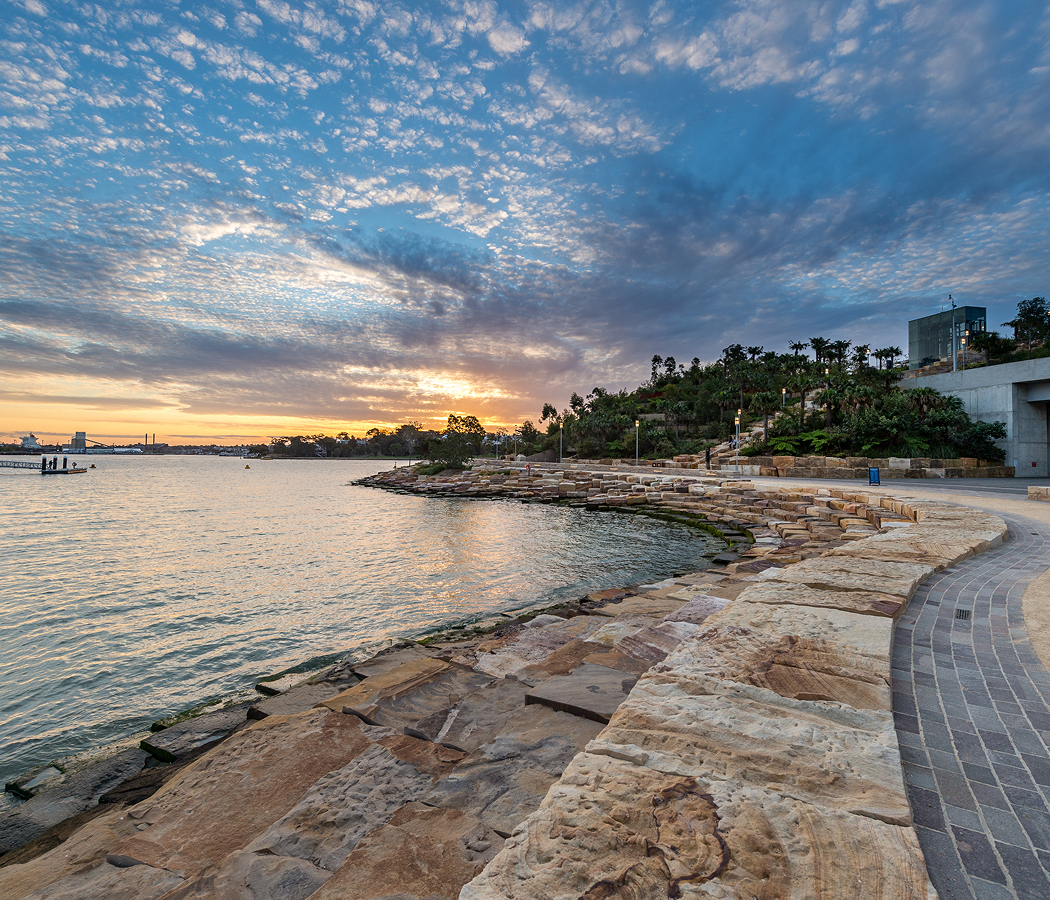
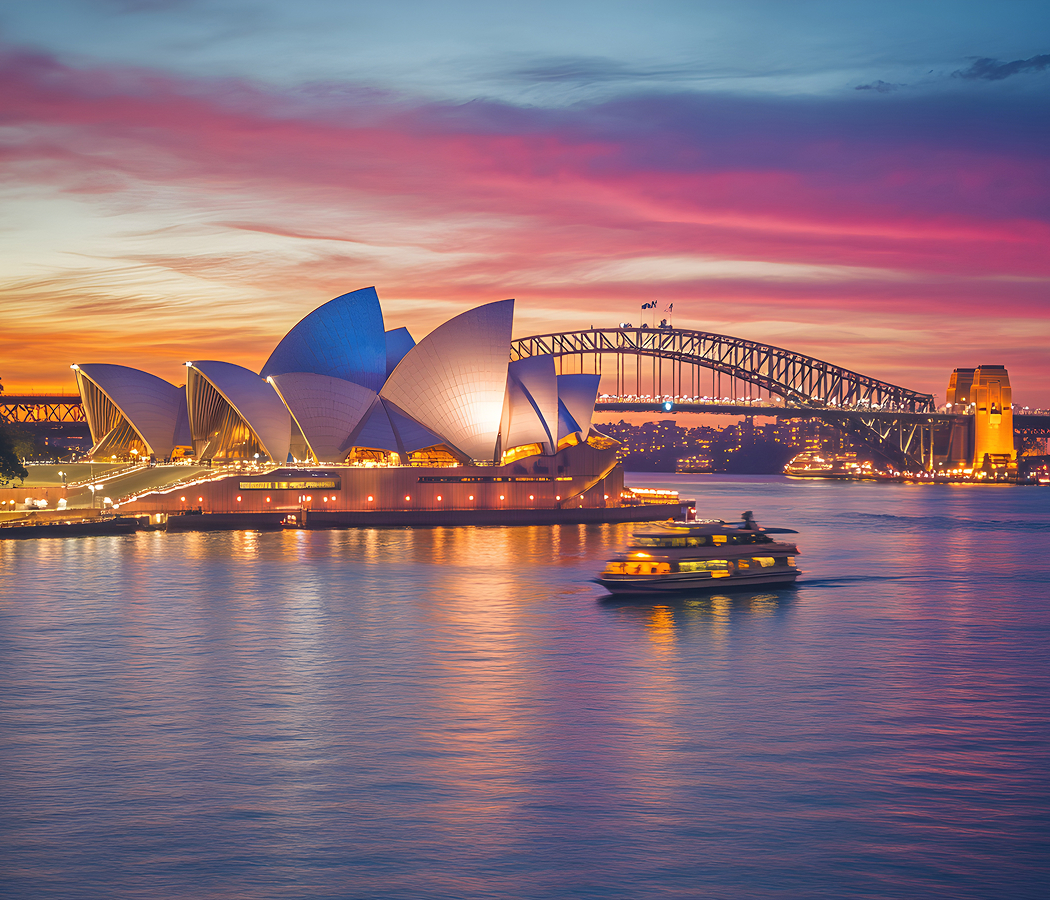
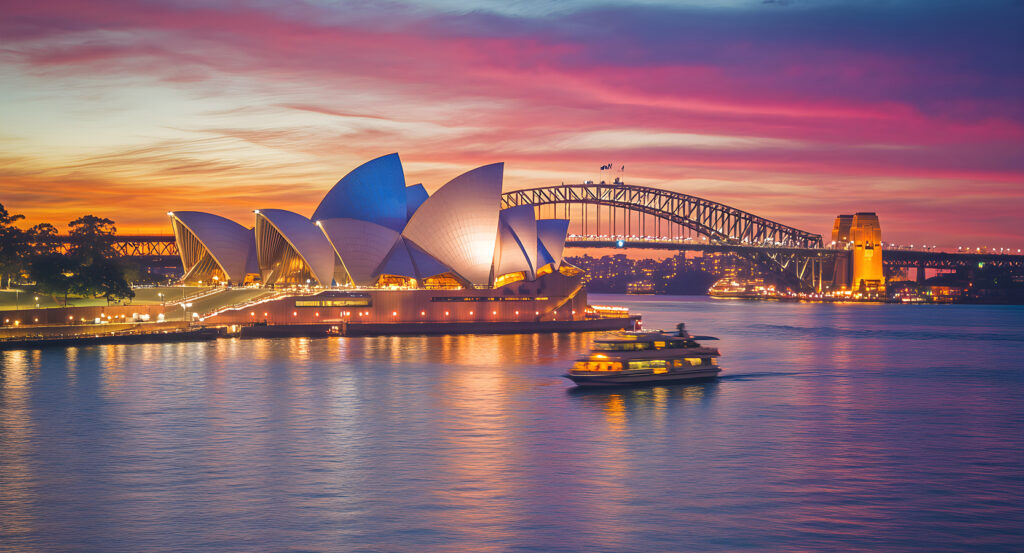
Set along Macquarie Street beside Sydney Harbour, InterContinental Sydney occupies the former Treasury Building near Circular Quay, with the Royal Botanic Garden extending behind the property and the harbour opening toward the Opera House, Harbour Bridge and Pacific coast. Its sandstone and rendered façade preserves the scale and proportions of the nineteenth-century government structure, while the upper hotel floors rise above the historic base with broad windows and contemporary accommodation. Guest rooms and suites face the harbour, gardens, city or surrounding historic district, with upper floors providing wide views across ferries, bridges, sandstone buildings and the water. The public interiors combine polished stone, timber, high ceilings and restored architectural details, creating a strong relationship between the hotel and its former governmental function. Macquarie Street carries visitors between the harbour, parliament buildings, museums, hospitals and historic residences, making the hotel part of Sydney's most concentrated civic corridor. The surrounding landscape combines formal gardens, colonial architecture, modern towers and active waterfront promenades, revealing the city's layered development. Its location places guests within walking distance of theatres, galleries, restaurants, ferries and the streets of The Rocks. The result is a substantial historic hotel whose architecture and harbour setting connect Sydney's colonial foundation with its modern cultural and maritime life.
What defines InterContinental Sydney.
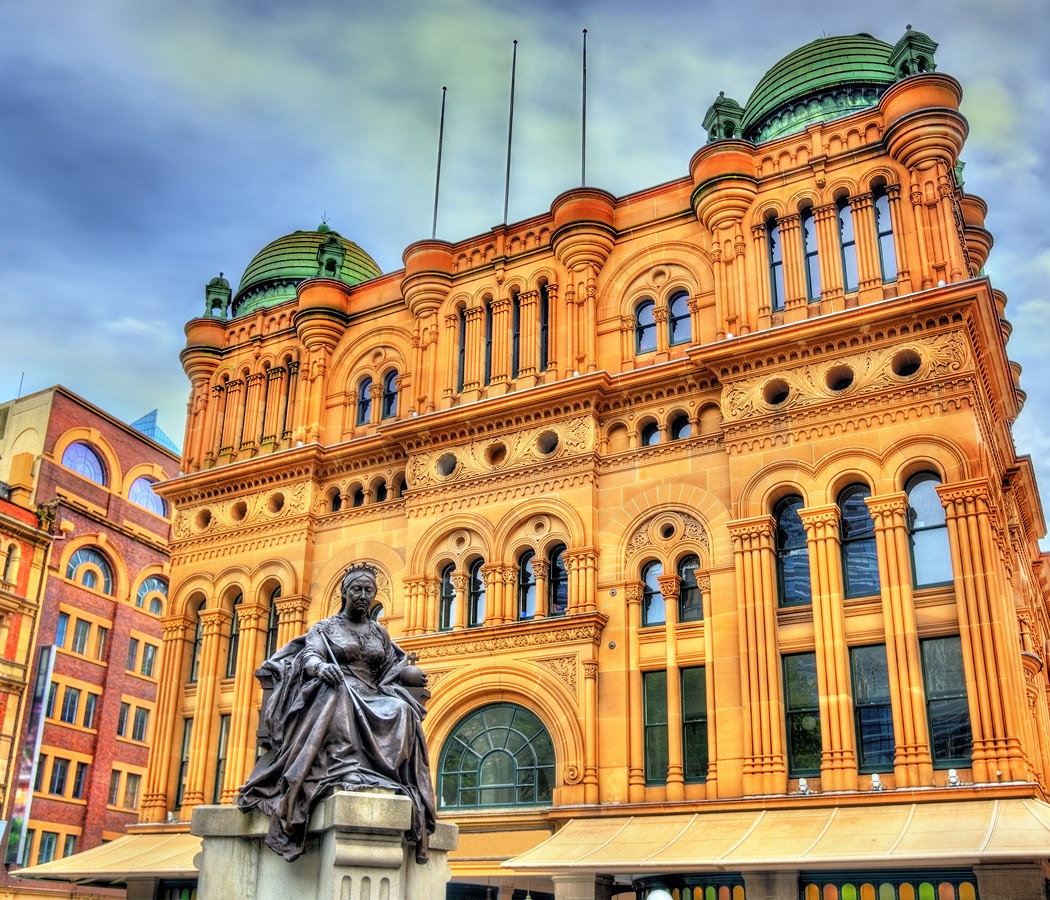
InterContinental Sydney is best known for transforming the nineteenth-century New South Wales Treasury Building into a landmark luxury hotel, preserving one of the city's most consequential colonial institutions within the architectural evolution of Circular Quay. The property's origins extend to the traditional lands of the Gadigal people of the Eora Nation, whose relationship with Sydney Cove preceded British colonization in 1788. The surrounding land subsequently became part of the first Government House grounds, where Australia's earliest colonial vineyard introduced European viticulture to the settlement. Colonial Architect Mortimer William Lewis directed the construction of the Treasury Building, completed in 1851 as Sydney's first purpose-built government office during the beginning of the New South Wales gold rush. The building became central to the administration of the colony's expanding wealth, accommodating Treasury officials and the financial operations supporting its growing economy. Architect Edmund Blacket contributed to its nineteenth-century development, extending the original composition as government responsibilities increased. Walter Liberty Vernon subsequently directed another major phase of expansion, introducing a fireproof strongroom in 1896 to protect the colony's financial assets. A connecting structure completed in 1901 incorporated a grand staircase and new offices for the Treasurer and Premier, strengthening the building's position within the administrative life of New South Wales. Government Architect George McRae developed an Edwardian Baroque extension between 1916 and 1919, introducing a domed architectural composition along Bridge Street. The Treasury complex subsequently accommodated several government departments, including transport and police administration, before its abandonment in 1967. Its transformation into a luxury hotel during the early 1980s preserved the historic sandstone buildings and introduced a substantial modern tower above the former government complex. InterContinental Sydney opened in September 1985, bringing international hospitality into an architectural landmark associated with more than a century of colonial administration and state government. The former Treasury Building entered the New South Wales State Heritage Register in 1999, securing formal recognition of its historical and architectural importance. Another major transformation followed through a $120 million renovation completed in October 2022, when architecture studio Woods Bagot reinterpreted the property's historic interiors for a new generation of Sydney hospitality. The project received an Australian Good Design Award in 2023 and an International Architecture Award in 2024, recognizing the integration of contemporary design with the original government buildings. InterContinental Sydney preserves an exceptional architectural connection between the financial administration of colonial New South Wales and the international hospitality culture of modern Sydney.
Where your story begins.
Foresyte Travel reveals places that feel extraordinary long before you arrive.
Enjoy editorial crafted for luxury travelers.