Why Jefferson Avenue matters.
Jefferson Avenue is a cultivated corridor where Flamingo/Lummus' architectural heritage, neighborhood vitality, tropical landscape, and civic character continue defining one of South Beach's most enduring inland streets.
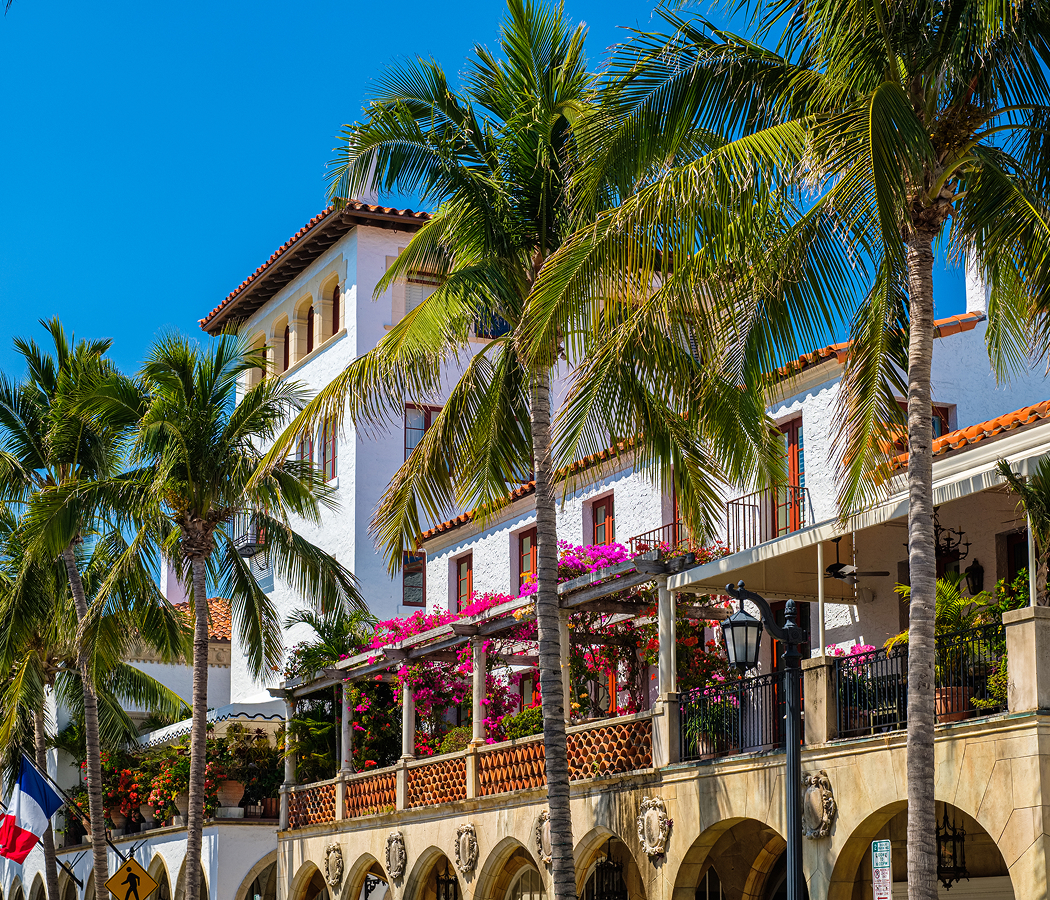
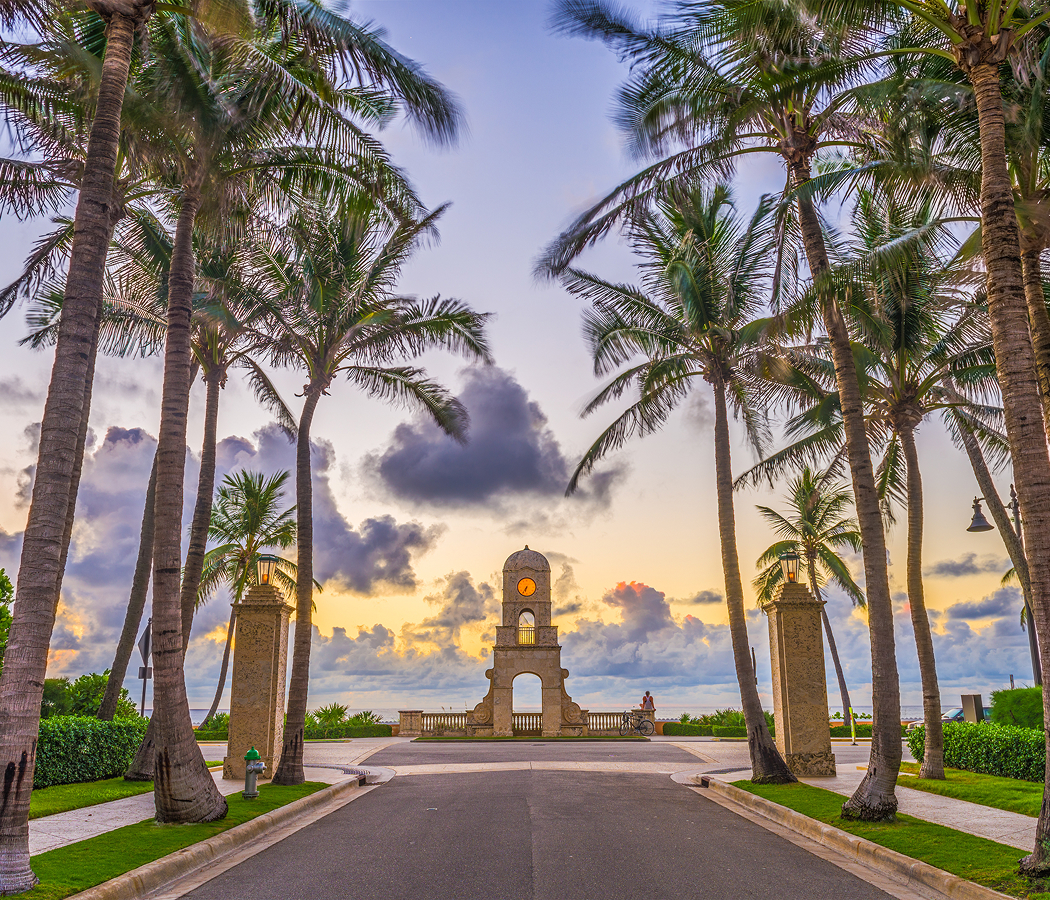
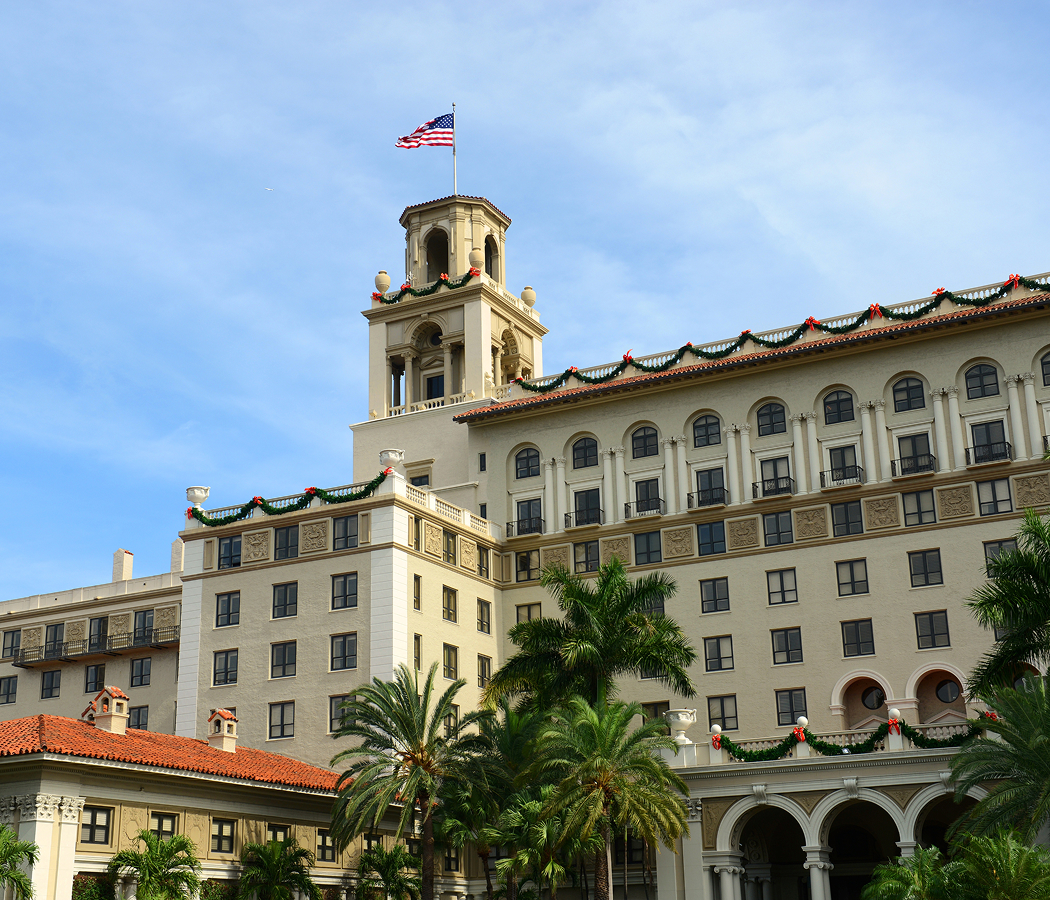
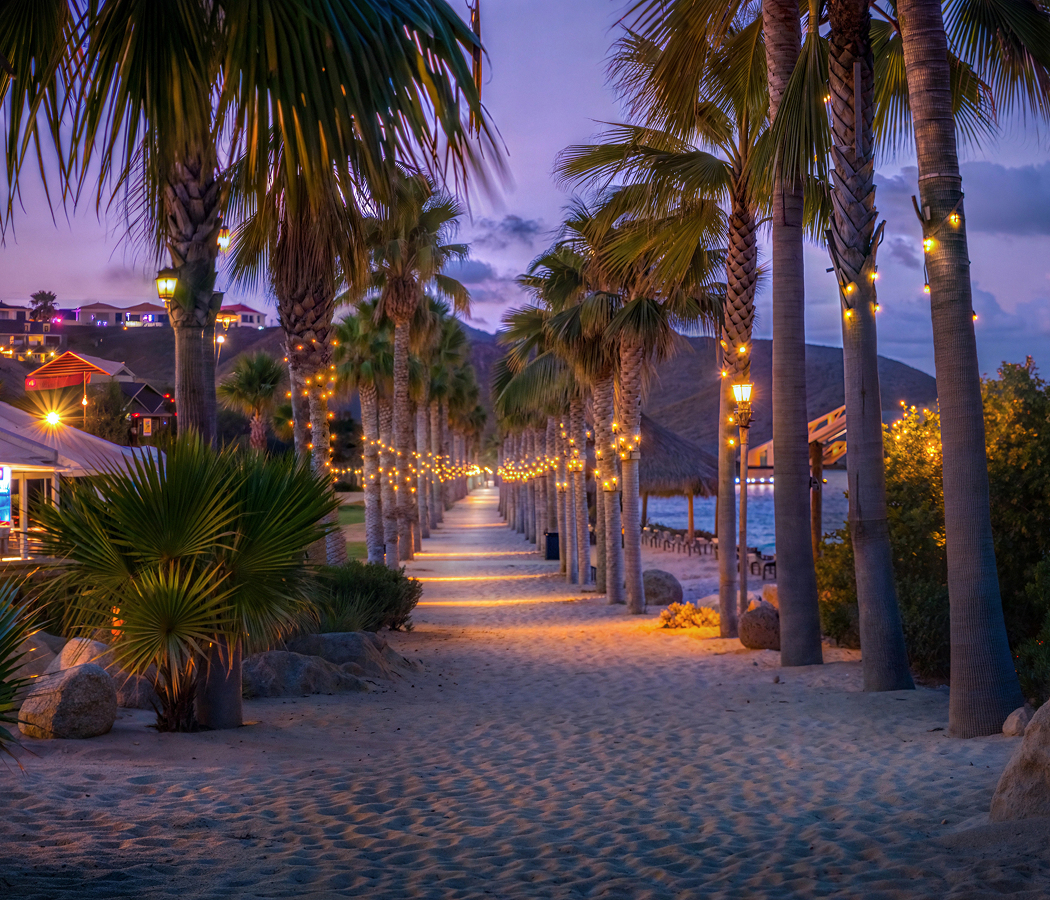
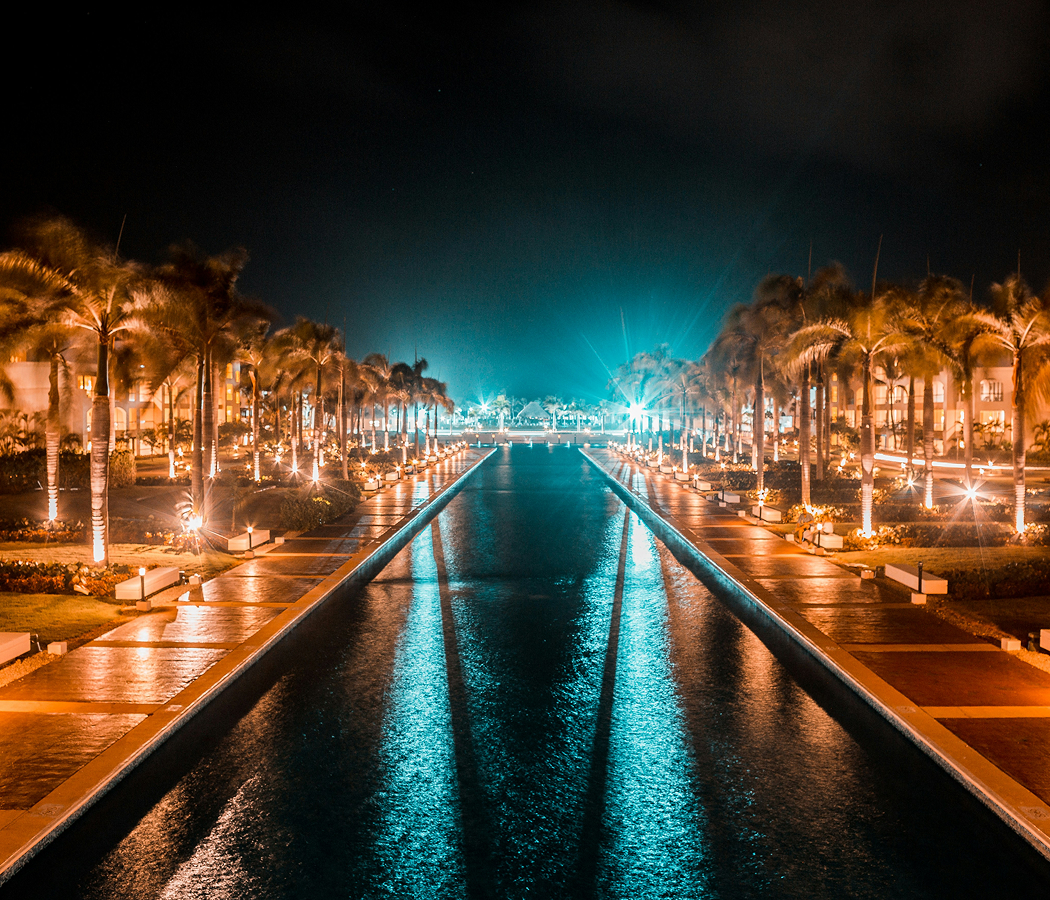
Running through Flamingo/Lummus between City Center and South of Fifth, the corridor connects architect-designed apartment buildings, historic civic landmarks, neighborhood businesses, shaded residential blocks, and palm-lined sidewalks that collectively reflect Miami Beach's evolution from an ambitious resort community into a spirited urban neighborhood. Art Deco façades, Mediterranean Revival architecture, mature tree canopies, and broad pedestrian routes create a streetscape where preservation and everyday life remain closely intertwined. Throughout the corridor, distinguished buildings, longstanding institutions, and carefully maintained public spaces reinforce a setting whose character has matured through thoughtful stewardship and continual reinvestment. The result is an experience defined by architectural richness, walkability, and one of South Beach's most engaging neighborhood corridors.
What defines Jefferson Avenue.
Jefferson Avenue is best known for extending through one of the principal residential sections of the Miami Beach Architectural District, designated on the National Register of Historic Places in 1979 as the nation's first historic district recognized primarily for twentieth-century resort architecture. Development accelerated during the 1920s through the 1940s as Carl G. Fisher's vision attracted apartment courts, seasonal residences, neighborhood commercial buildings, and boutique hotels designed in Mediterranean Revival, Art Deco, and Streamline Moderne styles. Architects including Henry Hohauser, L. Murray Dixon, Anton Skislewicz, Albert Anis, and Lawrence Murray shaped the surrounding streetscape through rounded corners, porthole windows, glass block, terrazzo entrances, ribbon glazing, and geometric ornamentation that became defining characteristics of Miami Beach architecture. Jefferson Avenue evolved alongside the city's expanding residential grid, where compact walkable blocks and carefully coordinated infrastructure established a distinctive urban pattern extending well beyond the beachfront. Royal palms, gumbo limbo, live oaks, sea grape, silver buttonwood, and flowering subtropical plantings continue reinforcing the lush landscape that distinguishes the corridor from more intensely commercial streets.
The Old Miami Beach City Hall, completed in 1927, preserves one of the city's most important civic buildings while illustrating the municipal growth that accompanied the Florida Land Boom and Miami Beach's rapid expansion. The Jewish Museum of Florida-FIU, housed within the restored 1936 Art Deco synagogue designed by Henry Hohauser, reflects the enduring cultural contributions of Miami Beach's Jewish community while preserving an architecturally significant religious landmark outside the corridor's resort narrative. Decorative cast stone, hand-forged wrought iron, terrazzo flooring, steel casement windows, and locally quarried oolitic limestone incorporated throughout neighboring historic structures demonstrate the craftsmanship and regional materials that unified South Beach's architectural character across successive decades of development. Together, these civic institutions, cultural resources, and enduring construction traditions deepen the historical narrative established by Jefferson Avenue's streetscape, demonstrating why the corridor remains an essential expression of Miami Beach's architectural heritage.
How Jefferson Avenue fits.
Jefferson Avenue works as a walk through South Beach's architectural legacy and neighborhood culture.
Begin at South of Fifth Park, where open lawns, mature palms, and sweeping views toward Government Cut introduce the quieter southern character of Miami Beach before following Jefferson Avenue north through its architecturally rich residential streets. Continue to Flamingo Park, whose historic recreational facilities, expansive tropical landscape, and longstanding role as the neighborhood's civic gathering place broaden the appreciation for everyday life beyond the beachfront. Conclude at The Wolfsonian-FIU, where internationally renowned collections of design, architecture, and decorative arts provide the resonant payoff by revealing the creative forces that shaped South Beach's globally recognized visual identity. The progression moves naturally from waterfront tranquility through a beloved neighborhood landmark before culminating with world-class design heritage, revealing how Jefferson Avenue connects Miami Beach's residential character, civic life, and architectural legacy.
Where your story begins.
Foresyte Travel reveals places that feel extraordinary long before you arrive.
Enjoy editorial crafted for luxury travelers.
Foresyte may earn a commission when you book.