Why you should experience Koko Head in Hawaii.
Koko Head in Honolulu is for those who crave that mix of grit, beauty, and the sweet taste of accomplishment.
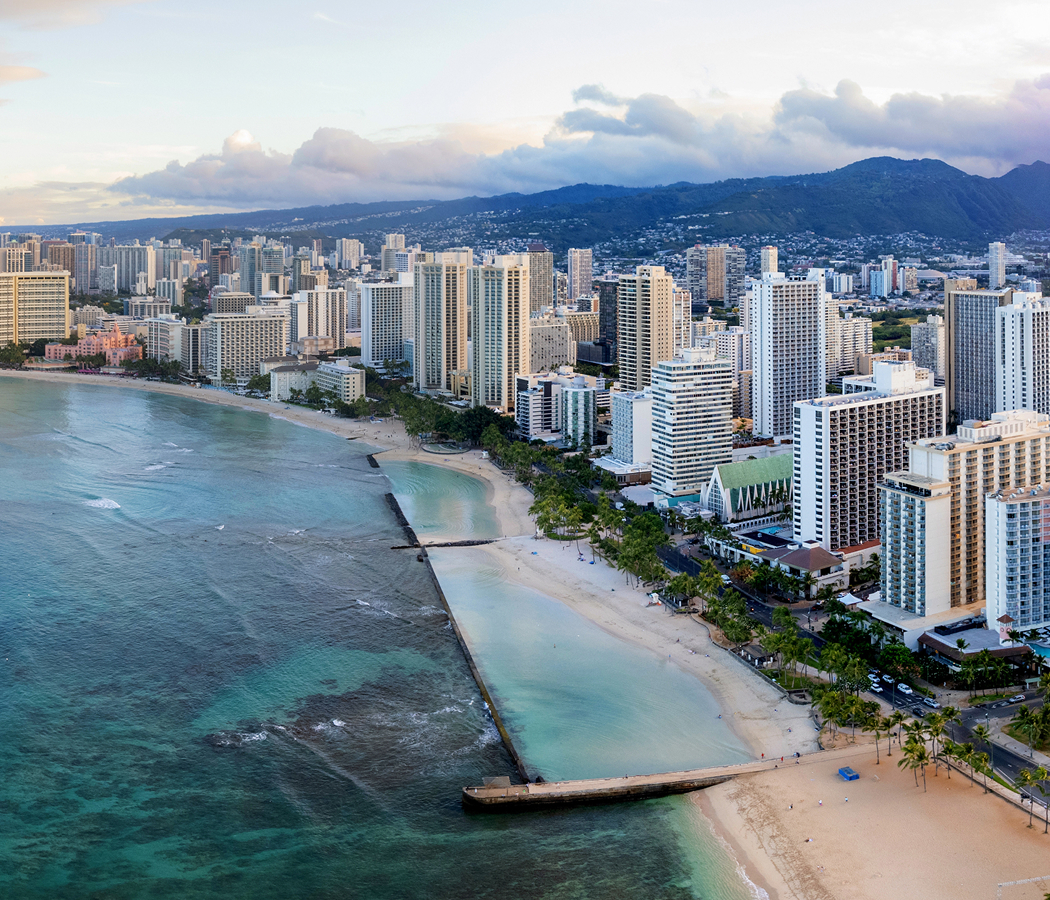
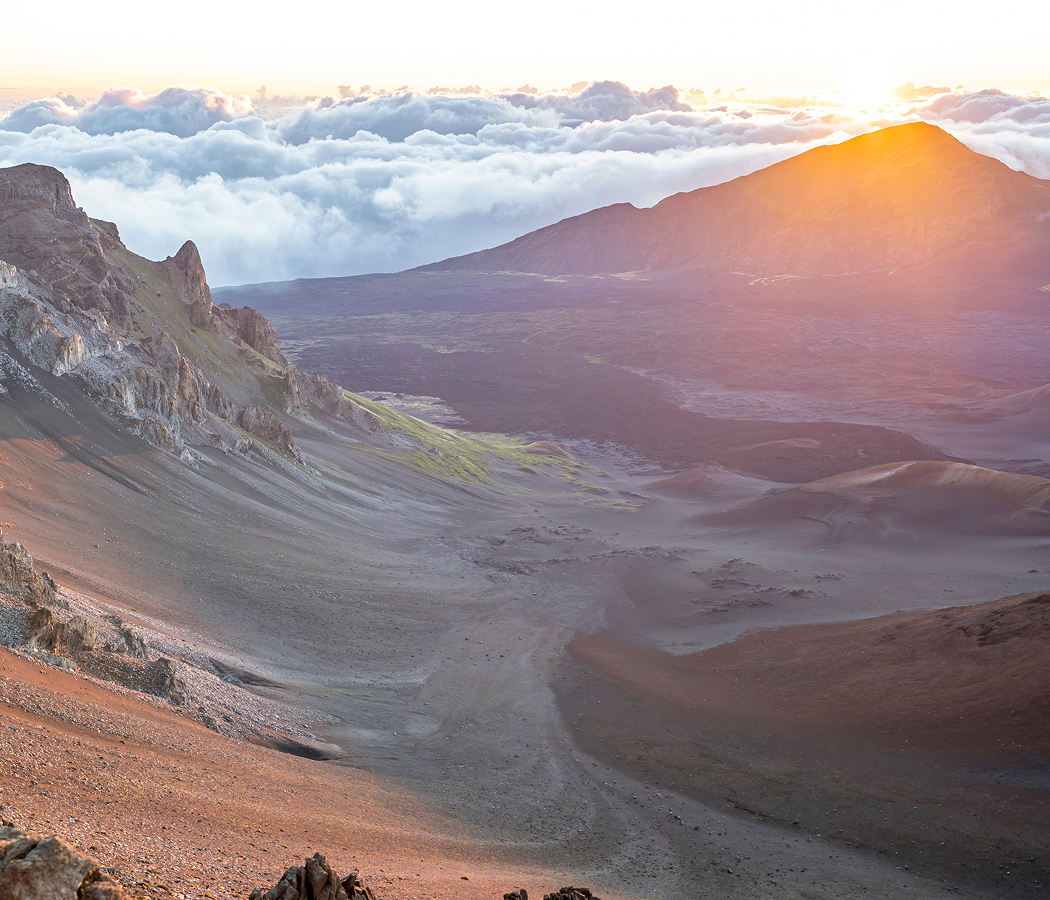
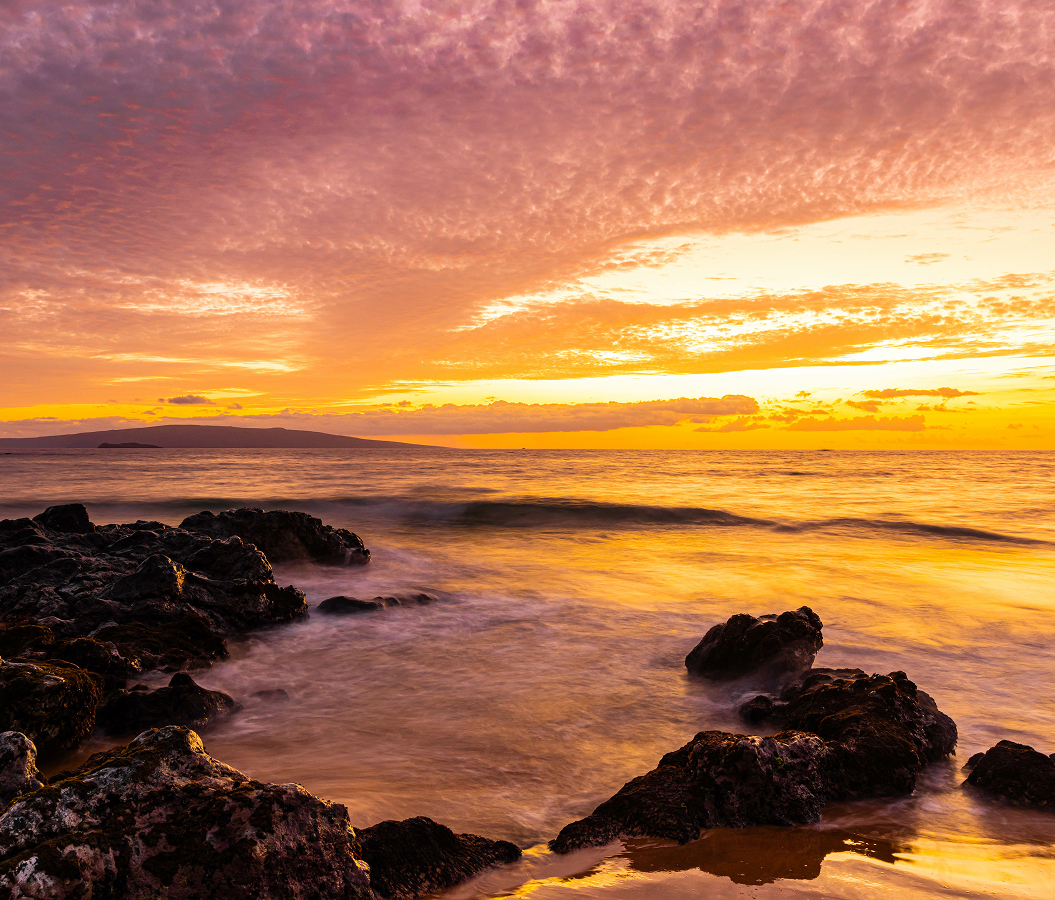
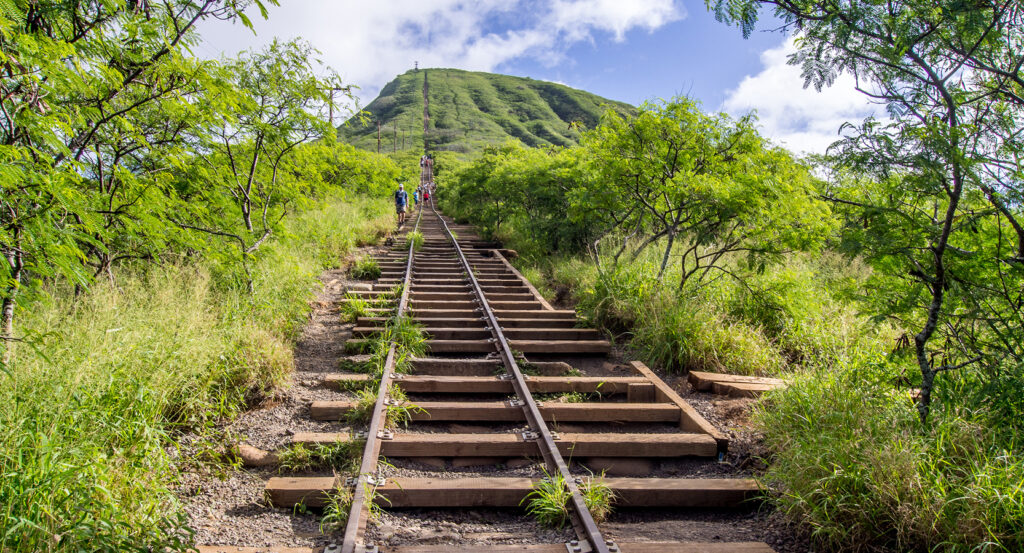
Rising dramatically from Oʻahu's southeastern coastline, this volcanic cone offers one of the most rewarding climbs and panoramic payoffs on the island. The trail leading to the summit, known as the Koko Crater Railway Trail, climbs along the remnants of an old military tramway built during World War II, over 1,000 wooden “steps” stretching skyward like an open invitation to challenge yourself. The higher you go, the wider the world becomes: the turquoise waters of Hanauma Bay shimmer to the east, Diamond Head stands proud in the distance, and the Honolulu skyline glows faintly against the Pacific horizon. At sunrise, the sky bursts into gold and coral; at sunset, the crater's rim catches fire in fading light. Standing at the top, sweat-soaked and exhilarated, you'll feel the island beneath you, raw, real, and utterly alive.
What you should know about Koko Head.
Koko Head's summit isn't just a fitness badge, it's a relic of Oʻahu's wartime past and a geological masterpiece millions of years in the making.
Formed more than 30,000 years ago by the same volcanic forces that shaped Hanauma Bay, Koko Crater is part of the island's southeastern volcanic line, known as the Honolulu Volcanic Series. During World War II, the U.S. military installed railway tracks along the crater's ridge to haul supplies and personnel to bunkers and lookout stations at the top, where soldiers once kept watch over the Pacific. After the war, the tracks were abandoned, and locals turned them into one of the island's most challenging hikes. The climb is steep, ascending nearly 1,000 feet in less than a mile, but every step is steeped in history. The summit still holds remnants of the old bunkers, now graffitied but oddly poetic, blending human defiance with nature's quiet reclamation. Scientists note that Koko Crater's bowl-shaped interior once hosted sporadic eruptions of ash and lava fountains, leaving behind the rugged terrain that now attracts adventurers and photographers alike. Few realize that Koko Crater is also home to one of Oʻahu's largest botanical collections, the Koko Crater Botanical Garden tucked quietly in the crater basin below, a living contrast to the barren summit above.
How to fold Koko Head into your trip.
Reaching Koko Head is as much about mindset as it is about stamina, but the reward at the top makes every step worth it.
Start early, ideally before sunrise, to avoid the midday heat and crowds. Bring water, sunscreen, and a touch of humility; the incline is relentless, with certain sections approaching a near-vertical pitch. As you climb, pause occasionally to look back, each glance offers a wider perspective of the coastline, from Sandy Beach to Hanauma Bay. Once you reach the summit, explore the old bunkers and take in the 360-degree view of Oʻahu's southeast side, where the Pacific meets the sky in endless hues of blue. Many locals treat this as a weekly ritual, a mental reset disguised as a workout, and if you catch them at the top, they'll often share stories about how the “stairs” have become a symbol of perseverance. After descending, cool off at nearby Hanauma Bay or stop at a local café in Hawaiʻi Kai for a well-earned breakfast. Koko Head isn't just another viewpoint, it's a proving ground, a conversation between human determination and the island's elemental beauty, where every drop of sweat feels like a small offering to the mountain itself.
Where your story begins.
Foresyte Travel reveals places that feel extraordinary long before you arrive.
Experience premium editorial crafted for luxury travelers.