Why you should experience Leonardo Boutique Museumhotel Amsterdam City Center in Amsterdam, Netherlands.
Leonardo Boutique Museumhotel Amsterdam City Center is where refined modern design meets canal-house charm to create an elegant, art-infused sanctuary positioned between the Museum Quarter and Amsterdam's historic waterways.
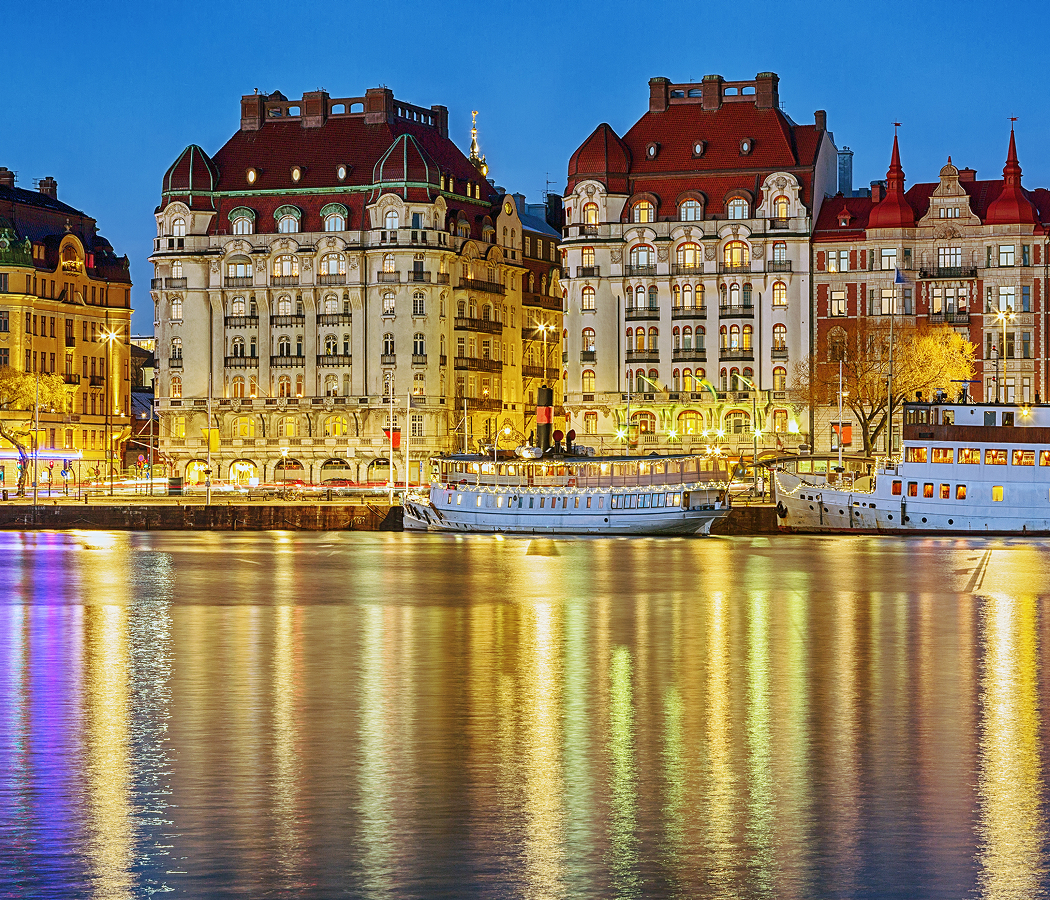
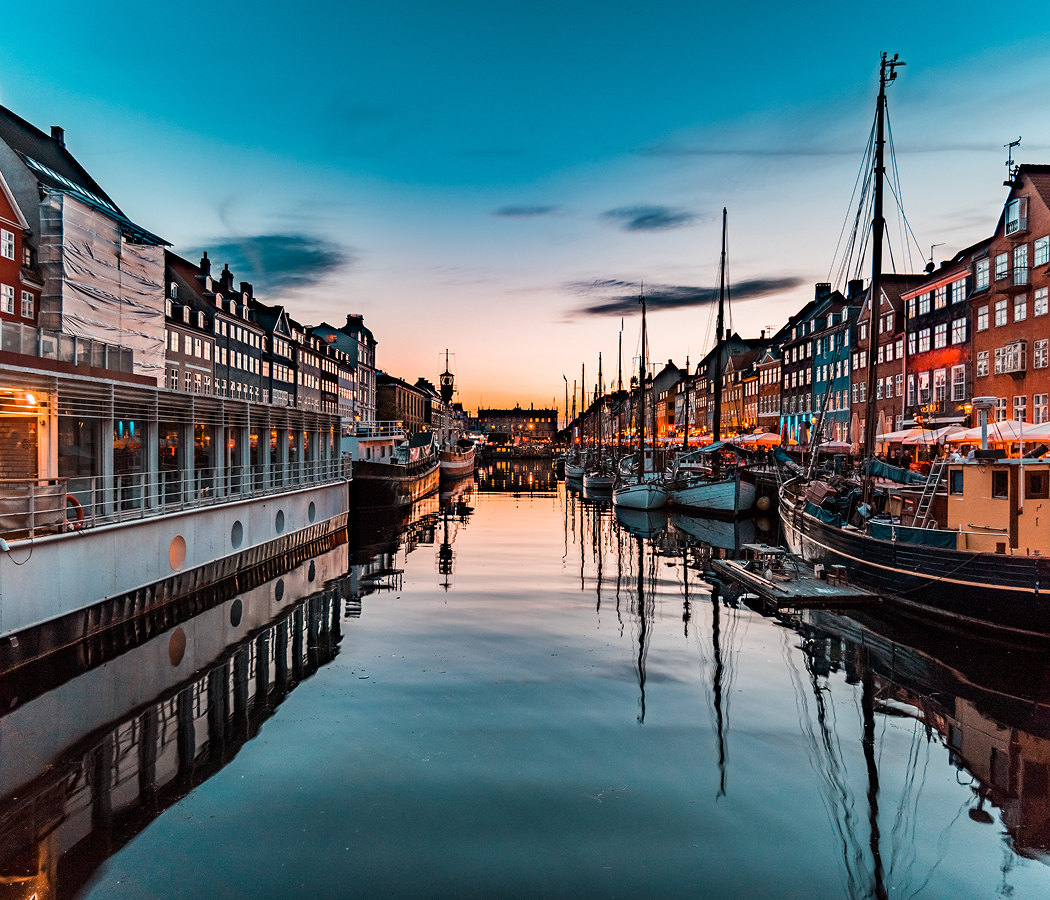
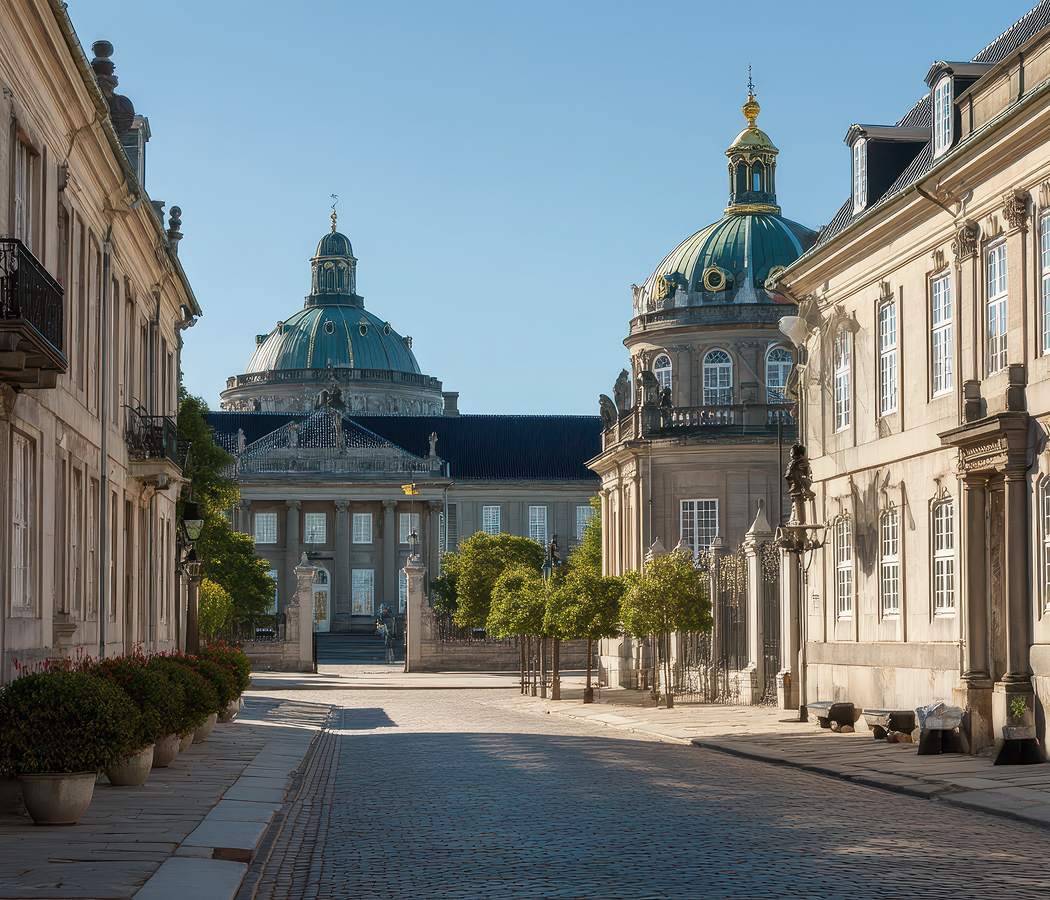
Set along the charming Pieter Cornelisz Hooftstraat canal, the hotel occupies a series of classic Dutch townhouses, tall, narrow, character-filled façades that evoke centuries of Amsterdam history. Step inside, and the atmosphere transitions into a polished boutique world where soft lighting, contemporary décor, warm textures, curated artwork, and subtle architectural details blend into a cohesive aesthetic that feels calming, sophisticated, and quietly luxurious. The lobby and public spaces are thoughtfully arranged: sculptural seating, modern art pieces, muted color palettes, marble accents, and wood tones that create a serene environment ideal for unwinding after a day in the museums or exploring canals. Rooms continue this blend between historical architecture and contemporary comfort. Expect plush bedding wrapped in crisp linens, tasteful furnishings with clean lines, soft neutral colors, and windows that overlook either the tranquil canal, leafy courtyards, or the stylish streets of the Museum Quarter. Because the hotel is composed of multiple canal houses, room shapes vary beautifully, some with charming sloped ceilings, preserved beams, narrow stair landings, or tall sash windows that bring in abundant natural light. Bathrooms are sleek and updated, offering walk-in rain showers, well-positioned lighting, polished stone or tile, illuminated mirrors, and amenities chosen for quality and ease. Suites and upgraded rooms elevate the experience even further with more expansive layouts, canal-facing lounges, stylish seating areas, and elevated interior design elements that feel both modern and distinctly Amsterdam. One of the hotel's defining qualities is its fusion of artistic inspiration and residential comfort. The boutique aesthetic never feels forced, it unfolds naturally as you move through the space, revealing a design philosophy grounded in tranquility, elegance, and subtle cultural references. The breakfast room continues this tone with warm lighting, comfortable seating, and a refined spread of pastries, breads, eggs, cheeses, yogurt, fruit, vegetables, cereals, hot dishes, and excellent coffee. Everything feels effortless and thoughtfully prepared. Service is warm, polished, and quietly attentive. Staff members know the neighborhood intimately, offering recommendations for museum timings, beautiful canal walks, hidden cafés, boutique shopping corridors, and alternative routes that avoid the busiest tourist clusters. Their approach is relaxed yet professional, perfect for a boutique property that values human warmth over corporate formality. The location is exceptional, easily one of the hotel's greatest strengths. Leonardo Boutique Museumhotel sits directly between Amsterdam's world-renowned Museum Quarter and its iconic canal belt. Within minutes, you can reach the Rijksmuseum, Van Gogh Museum, Stedelijk Museum, Vondelpark, and the high-end boutiques of P.C. Hooftstraat. Even the Nine Streets, Jordaan, De Pijp, and central canal districts are all within beautiful walking or biking distance. This rare convergence of culture, luxury shopping, green space, and canal-side beauty makes the hotel a perfect base for travelers seeking both convenience and atmosphere.
What you should know about Leonardo Boutique Museumhotel Amsterdam City Center.
Leonardo Boutique Museumhotel Amsterdam City Center occupies a cluster of historic buildings that reflect the city's 18th- and 19th-century transformation, from a canal-belt merchant republic into a more modern, culturally driven European capital.
The land on which the hotel stands originally marked a transitional zone between Amsterdam's elegant canal belt and open fields that later became Vondelpark and the Museum Quarter. In the 1700s, this area was home to artisans, small merchants, and craftsmen who lived in modest townhouses that supported the thriving activities of the canal district. By the mid-1800s, Amsterdam underwent a major urban expansion, fueled by population growth, rising wealth, and a desire to create grand cultural institutions that would elevate the city's international identity. As a result, the neighborhoods surrounding the Rijksmuseum developed into refined residential quarters, attracting well-to-do families, academics, and artists seeking proximity to the city's emerging cultural landmarks. The buildings that now form the Museumhotel were constructed during this era, reflecting architectural styles that blended Dutch Classicism with early modern influences: symmetrical façades, tall windows, narrow footprints, and decorative flourishes that signaled both status and craftsmanship. Originally, these buildings served as private residences, multi-story canal-style homes with formal parlors, narrow staircases, classic Dutch layouts, and elongated gardens behind each property. Some early residents were known to be connected to Amsterdam's cultural and academic life, given the neighborhood's proximity to what would later become the Museum Quarter. Over the years, the properties transitioned into boarding houses, small businesses, and eventually hospitality spaces. During renovation, preservation teams uncovered details from different periods, wooden beams dating back nearly two centuries, sections of original brick walls, classic Dutch tiling patterns, and hidden alcoves reflecting the architectural quirks of early Amsterdam townhouses. One lesser-known piece of history lies in the transformation of this entire neighborhood. Before the Rijksmuseum was completed in 1885, the area surrounding it was far less structured. But once the museum opened as the symbolic gateway to Amsterdam's cultural identity, urban planning shifted dramatically. Streets were widened, canals were beautified, and grand boulevards emerged, connecting the old canal belt to the new artistic core of the city. The Museumhotel's surrounding blocks became some of the most desirable areas to live, work, and socialize. The hotel's canal-side frontage reflects this heritage. The waterway it faces was historically a transport corridor for goods arriving from the Amstel River, used by tradesmen who lived in nearby buildings. Today, that same canal brings tranquility and beauty rather than commerce, creating a peaceful buffer between the hotel and the energetic museum district close by. Leonardo Boutique Museumhotel Amsterdam City Center stands today as a bridge between eras: a living architectural story where 18th-century townhouse structures, 19th-century cultural expansion, and 21st-century boutique design seamlessly converge into one memorable and historically rich property.
How to fold Leonardo Boutique Museumhotel Amsterdam City Center into your trip.
Leonardo Boutique Museumhotel Amsterdam City Center becomes your perfectly placed cultural residence, where mornings begin with canal reflections, afternoons unfold into world-class museum exploration, and evenings settle into warm boutique serenity beside the city's artistic heart.
Start the morning with a relaxing breakfast in the hotel's elegant dining space, then step outside and walk toward the Rijksmuseum to enjoy early entry before the crowds. Continue your cultural immersion at the Van Gogh Museum or the Stedelijk Museum, both just a few minutes away. Midday, return to the hotel to recharge, rest in your room's warm, calming interior, sip a coffee beside the canal, or enjoy a quiet moment in one of the lounge spaces before heading back out. In the afternoon, wander through Vondelpark, explore luxury boutiques along P.C. Hooftstraat, stroll the central canals for photography and shopping, or head toward De Pijp for energetic market stalls, cafés, and charming local streets. As evening approaches, choose from countless nearby restaurants, modern European, Dutch brasseries, Indonesian rijsttafel, French bistros, or intimate wine bars within a short walk. After dinner, take a nighttime stroll across Museumplein, where the museums glow beautifully against the night sky, or enjoy a peaceful wander along the canal before returning to your boutique sanctuary.
Where your story begins.
Foresyte Travel reveals places that feel extraordinary long before you arrive.
Experience premium editorial crafted for luxury travelers.