Why Manatee Lagoon matters.
Manatee Lagoon is a waterfront marine education center where Riviera Beach's industrial shoreline meets the conservation of Florida's manatees, the thermal ecology of the Lake Worth Lagoon and the relationship between coastal power generation and winter wildlife habitat.
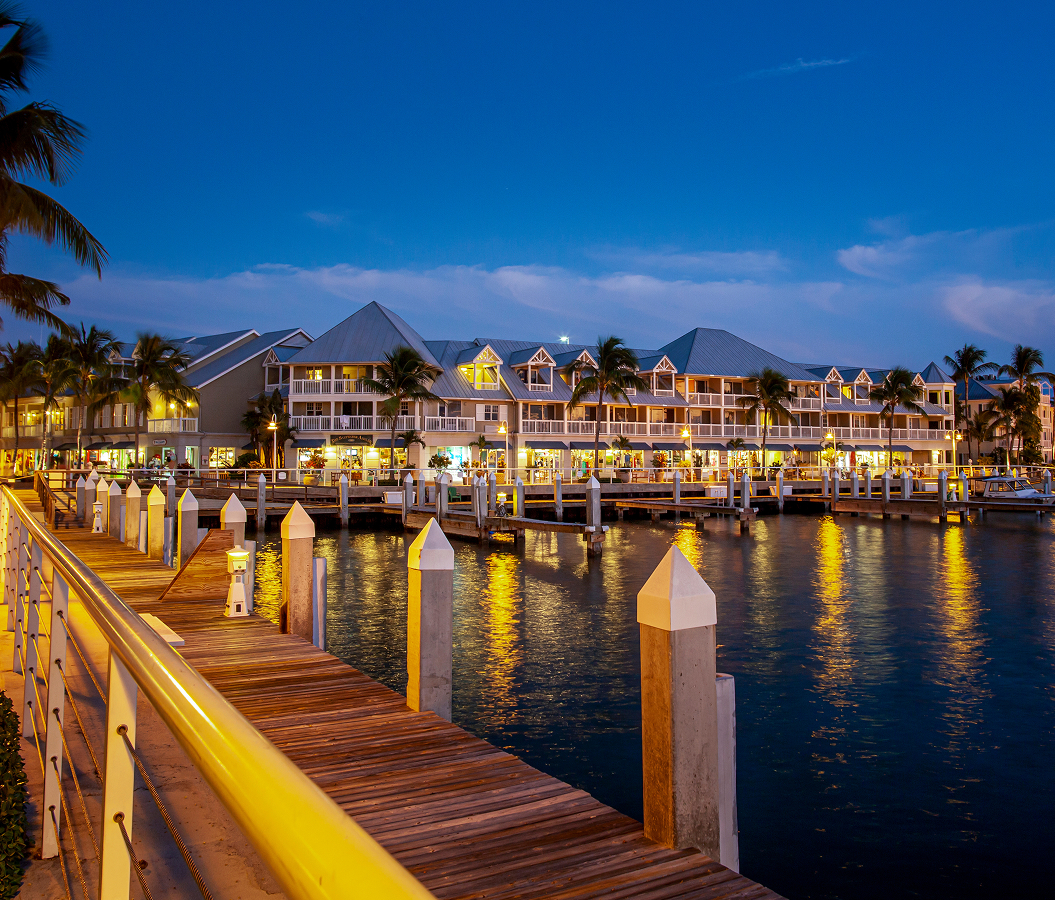
Set along North Flagler Drive near East 59th Street and a short drive from the Port of Palm Beach, the center occupies the western shore of the Lake Worth Lagoon, beside Florida Power & Light's Riviera Beach Next Generation Clean Energy Center and across the water from Singer Island. Its observation decks overlook a sheltered section of the lagoon where warm-water discharge attracts manatees during cooler months. Glass-fronted exhibition spaces connect indoor educational displays with outdoor viewing terraces. Native coastal landscaping surrounds pedestrian areas overlooking the water and nearby industrial infrastructure. The result is a marine education facility whose location connects wildlife conservation, estuarine ecology and the changing energy infrastructure of Palm Beach County.
What defines Manatee Lagoon.
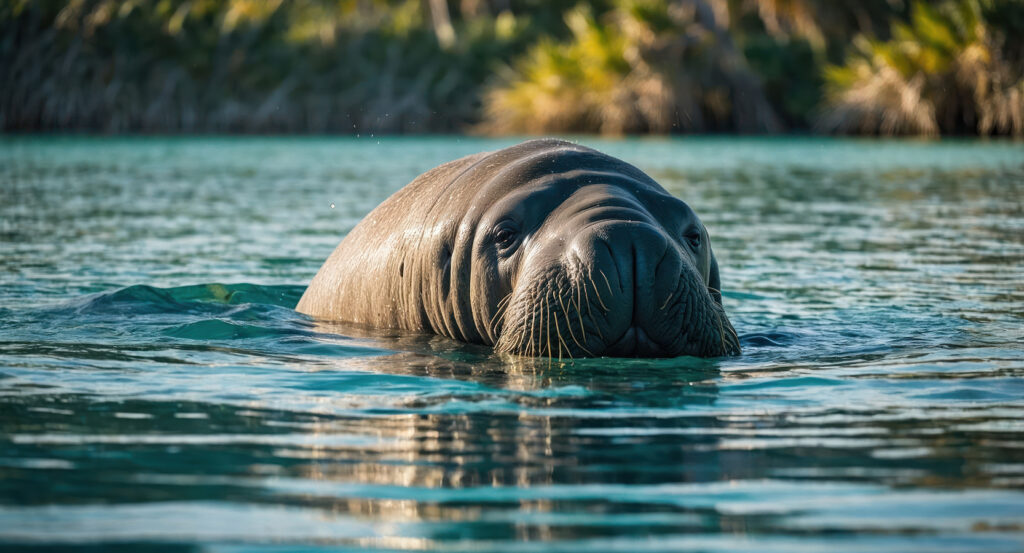
Manatee Lagoon is best known for its winter manatee viewing, educational programs and location beside the warm-water discharge of Florida Power & Light's Riviera Beach power station. Florida manatees inhabit coastal waters, estuaries and rivers across the southeastern United States, with seasonal movements strongly influenced by water temperature. Their relatively low metabolic rates and limited insulation make prolonged exposure to cold water dangerous, particularly when temperatures fall below 68 degrees Fahrenheit. Historically, manatees relied upon natural warm-water springs and other thermally stable habitats during winter. The construction of coastal power stations introduced artificial warm-water refuges into Florida's waterways, altering the seasonal distribution of some manatee populations. Florida Power & Light's Riviera Beach facility became an important winter gathering location as manatees congregated near its heated discharge. The original oil-fired generating station operated for decades along the Lake Worth Lagoon before undergoing a major modernization program. In 2011, FPL demolished the former facility to make way for a more efficient natural-gas combined-cycle power station. The Riviera Beach Next Generation Clean Energy Center entered service in 2014, incorporating generating technology that uses both gas and steam turbines to produce electricity. FPL subsequently developed a public education center beside the discharge area to explain manatee biology, habitat conservation and the relationship between power generation and coastal wildlife. Manatee Lagoon opened in February 2016 as a free public facility dedicated to environmental education and observation. Its establishment formalized public access to a winter aggregation site that had attracted local interest for years. The center developed partnerships with marine scientists, educators and conservation organizations to support programs addressing Florida's coastal ecosystems. Its educational activities connect manatee protection with broader questions concerning water quality, habitat loss and the long-term availability of warm-water refuges.
Florida's manatee population depends upon access to freshwater, submerged aquatic vegetation and suitable winter temperatures, making the species particularly sensitive to changes in coastal habitats. The Florida manatee is a subspecies of the West Indian manatee, distinguished by its large paddle-shaped tail, flexible upper lip and slow-moving aquatic behavior. Adults consume substantial quantities of aquatic plants, including seagrasses that grow in shallow coastal environments. Their grazing connects manatee populations with the ecological condition of estuaries and submerged vegetation beds. The Lake Worth Lagoon supports seagrass communities, fish nurseries and other habitats affected by urban runoff, shoreline development and water-management infrastructure. Manatees entering the warm-water discharge area gather in groups during cold weather, creating opportunities to observe their movements from the center's elevated terraces. The observation decks overlook the water directly, allowing visitors to distinguish surfacing animals, swimming patterns and interactions among individuals. Seasonal viewing conditions depend upon water temperature and the animals' movements through the lagoon. Indoor exhibitions explain manatee anatomy, feeding behavior, migration and the environmental pressures affecting their survival. Interactive displays introduce the relationship between coastal power generation and the artificial warm-water habitats used by wintering manatees. Educational materials address boat strikes, habitat degradation and other threats associated with human activity in Florida's waterways. The center's programming includes guided talks, school activities and public presentations developed around marine conservation. Its outdoor spaces provide views of the surrounding estuary, connecting the animals' winter gathering area with the broader coastal landscape. The facility also interprets the role of seagrass restoration and water-quality protection in maintaining suitable feeding habitat. Its educational approach places the manatee within the ecological conditions of South Florida's coastal waters and the infrastructure that has influenced the species' seasonal distribution.
How Manatee Lagoon fits.
Manatee Lagoon works as the marine conservation centerpiece for a northern Palm Beach County itinerary connecting estuarine habitat restoration, coastal recreation and the historical development of the Lake Worth Lagoon.
Begin at John D. MacArthur Beach State Park, the protected coastal landscape situated on Singer Island. Established in 1989, the park preserves barrier-island habitats, maritime hammock vegetation and extensive sections of the Lake Worth Lagoon shoreline. Its boardwalk crosses an estuarine environment supporting mangroves, fish, wading birds and other coastal wildlife. The park's nature center provides educational exhibits addressing barrier-island ecology and the conservation of South Florida's coastal ecosystems. Kayaking and walking routes connect visitors with different habitats, including the Atlantic beach and sheltered lagoon waters. The property preserves a substantial section of natural coastline within an extensively developed metropolitan region. Continue to Phil Foster Park, the waterfront recreational area situated beneath the Blue Heron Bridge on Singer Island. Its shoreline provides access to the Lake Worth Lagoon and the marine habitats associated with the nearby Lake Worth Inlet. The Phil Foster Park Snorkel Trail contains artificial reef structures placed in shallow water to support marine organisms and provide opportunities for underwater observation. The surrounding waters support tropical fish, seahorses, octopuses and other species associated with the lagoon's marine environment. The park's public facilities connect recreational access with the ecological importance of tidal exchange between the lagoon and the Atlantic Ocean. Conclude at Jupiter Inlet Lighthouse & Museum, the historic maritime complex situated at the confluence of the Loxahatchee River and Jupiter Inlet. The lighthouse was completed in 1860 to guide vessels navigating Florida's Atlantic coastline. Its brick tower rises above a limestone bluff overlooking the river and surrounding waterways. The museum interprets maritime navigation, regional settlement and the history of the inlet, including the experiences of Indigenous communities and early European settlers. The surrounding grounds preserve historical structures and archaeological resources associated with the area's long occupation. The progression moves from protected coastal habitat through shallow-water marine recreation and culminates in Florida's maritime navigation history, connecting Manatee Lagoon with the ecological and historical development of the northern Palm Beach County coastline.
Where your story begins.
Foresyte Travel reveals places that feel extraordinary long before you arrive.
Enjoy editorial crafted for luxury travelers.
Foresyte may earn a commission when you book.