Why you should experience 5 Martin Place in Sydney, Australia.
The Commonwealth Bank Building at 5 Martin Place is Sydney's golden cornerstone, a cathedral of commerce where ambition, architecture, and Australia character intertwine.
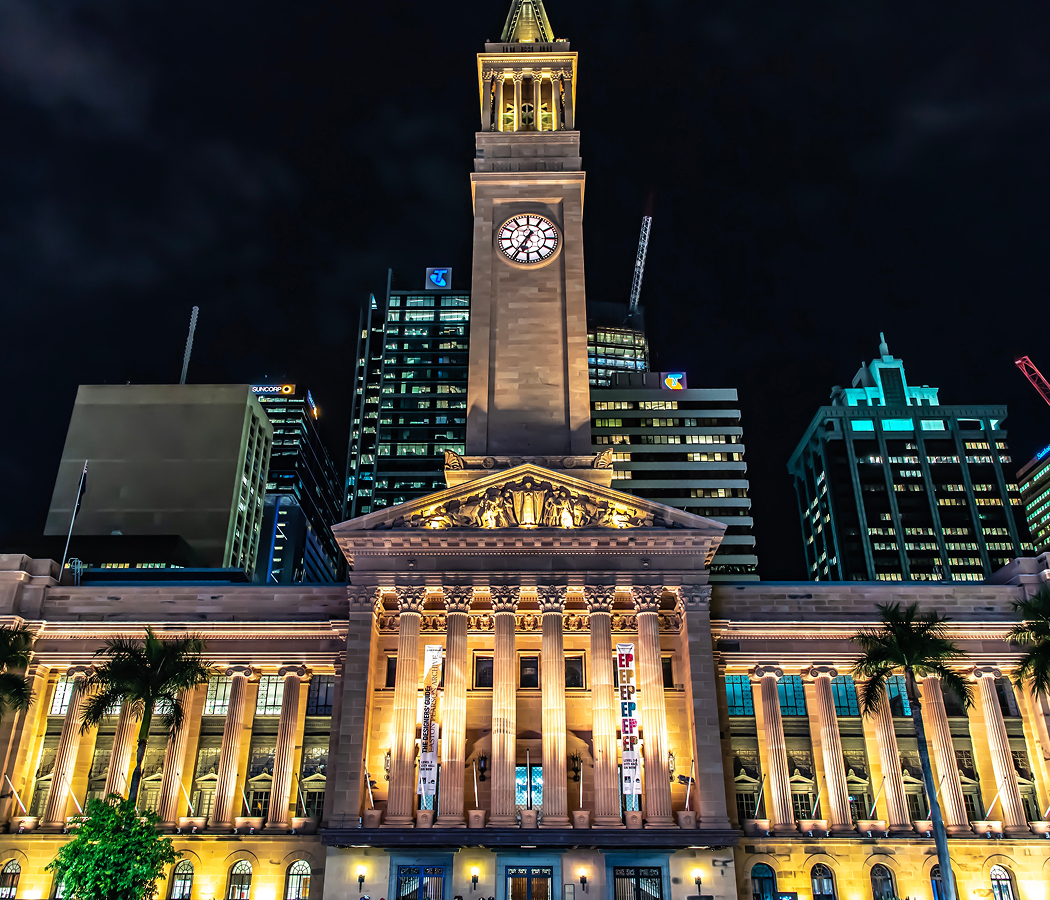
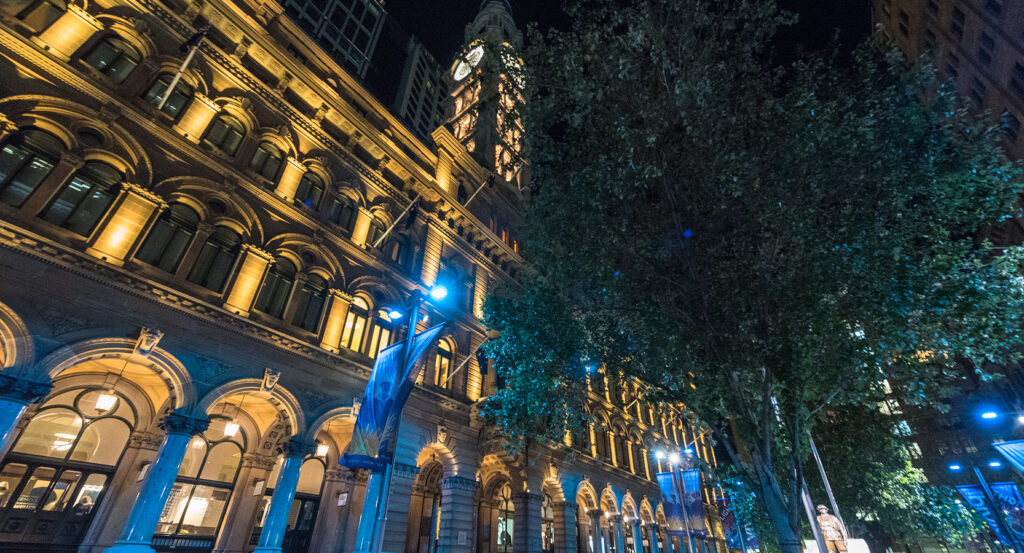
Standing proudly along the city's grand boulevard, this grand edifice is far more than a bank; it's a living relic of the nation's economic story. Its sandstone façade commands attention with neoclassical precision, fluted columns, ornate cornices, and a bronze doorway that feels more like a portal than an entrance. Step inside, and you're met with an atmosphere that borders on sacred: high marble walls, patterned mosaics, and a domed ceiling that seems to glow with the optimism of a young nation finding its confidence. Built in an era when architecture was a declaration of values, the Commonwealth Bank Building captures permanence, trust, and civic pride, the very ideals Australia sought to express after the turbulence of the early 20th century. To walk through its halls is to feel that ambition still echoing through stone and bronze, a reminder that prosperity, like architecture, is both built and believed in.
What you should know about 5 Martin Place.
Behind its commanding façade lies one of the most significant architectural and financial stories in Australian history.
The Commonwealth Bank Building was completed in stages between 1913 and 1933, its construction spanning two decades marked by war, depression, and reconstruction. Designed by the government architect John Kirkpatrick, it was among the largest buildings in the Southern Hemisphere at the time, symbolizing the emergence of Australia as a financially independent nation. The bank itself had been founded in 1911 by an act of Parliament under Prime Minister Andrew Fisher, a rebellious concept for its day: a national bank owned by the people. The building became its physical manifestation, a temple of democracy in sandstone. Its interiors are a study in early 20th-century craftsmanship: Tasmanian blackwood paneling, Carrara marble staircases, and stained-glass skylights depicting allegories of commerce and industry. Beneath the main banking chamber lies one of the oldest surviving vault systems in Australia, a warren of reinforced chambers that once held the nation's gold reserves. During both World Wars, the building served as a nerve center for wartime finance, issuing bonds and managing currency while blackout curtains draped the grand windows. Its tower, added in the 1930s, was among the first in Sydney to feature a pneumatic clock system that synchronized time across the city's banking district, an innovation that underscored the institution's precision. In the 1980s, careful restoration work revived its original grandeur, revealing mosaic floors long hidden beneath decades of carpet and restoring murals that had faded under soot and fluorescent glare. The result is a rare fusion of heritage and function, a space that continues to operate as a modern financial hub while preserving the craftsmanship of another age.
How to fold 5 Martin Place into your trip.
To experience the Commonwealth Bank Building is to witness how Sydney built its future out of stone, steel, and faith in itself.
You'll find it along the eastern stretch of Martin Place, its commanding façade facing the pulse of the city. Begin outside, where the Corinthian columns rise nearly three stories high, and take a moment to appreciate the symmetry, every detail designed to convey dignity and strength. Step through the bronze doors and into the main banking chamber, where light filters down from the coffered dome and glances off marble and brass. The acoustics here are remarkable, soft, almost ecclesiastical, as if the building itself insists on decorum. Spend a few minutes exploring the restored interior; the mosaics near the teller windows and the blackwood balustrades are particularly beautiful. If you're lucky, a guided heritage tour may be available, they occasionally open sections not normally accessible to the public, including the old vault levels and the executive boardroom with its panoramic view of the plaza. Even if you're passing through, allocate 30 minutes to appreciate the structure's blend of history and artistry. Exit back into Martin Place and look across toward the Cenotaph; the contrast of memorial and monument feels intentional, one honors sacrifice, the other the ambition that followed. In that moment, the Commonwealth Bank Building ceases to be just an address. It becomes a parable of Australia itself, enduring, aspirational, and grounded in the belief that something lasting can be built from the heart of a young city reaching for the world.
Where your story begins.
Foresyte Travel reveals places that feel extraordinary long before you arrive.
Experience premium editorial crafted for luxury travelers.