Why Meridian Avenue matters.
Meridian Avenue is a cultivated corridor where Flamingo/Lummus' architectural legacy, civic character, tropical landscape, and neighborhood rhythm continue defining one of South Beach's most distinctive inland streets.
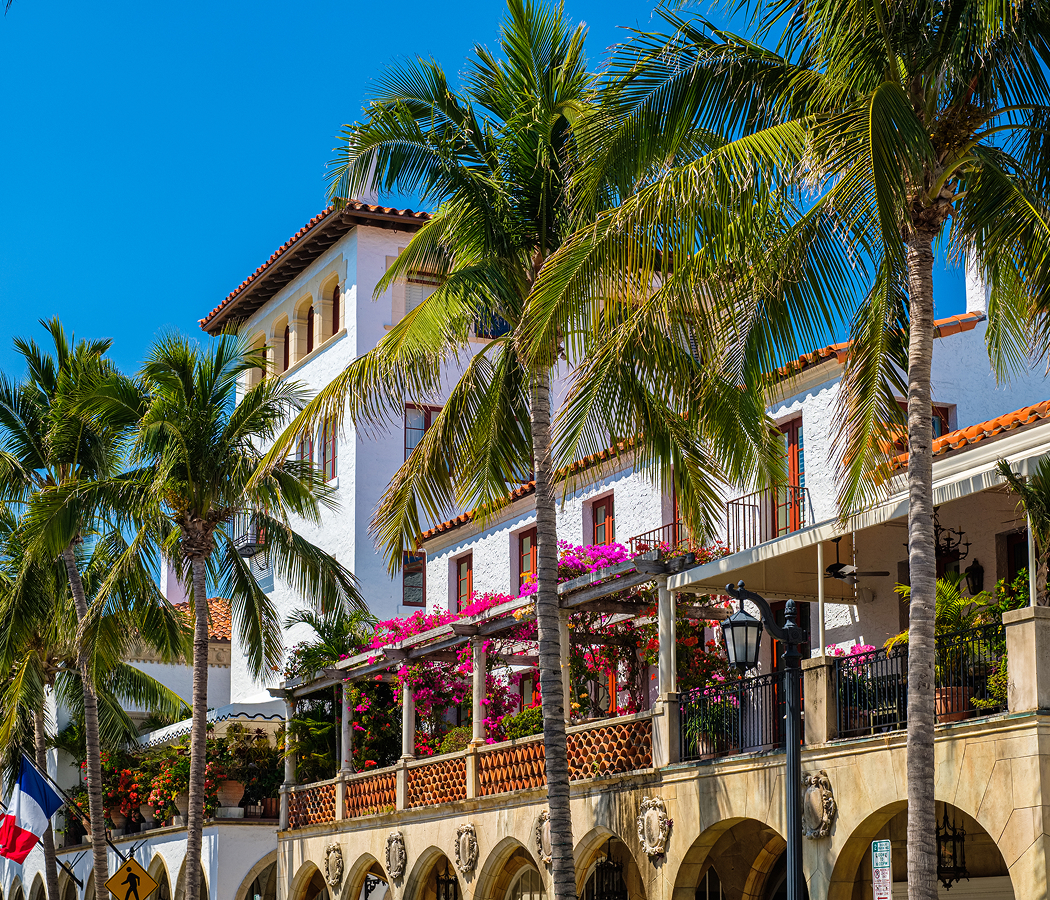
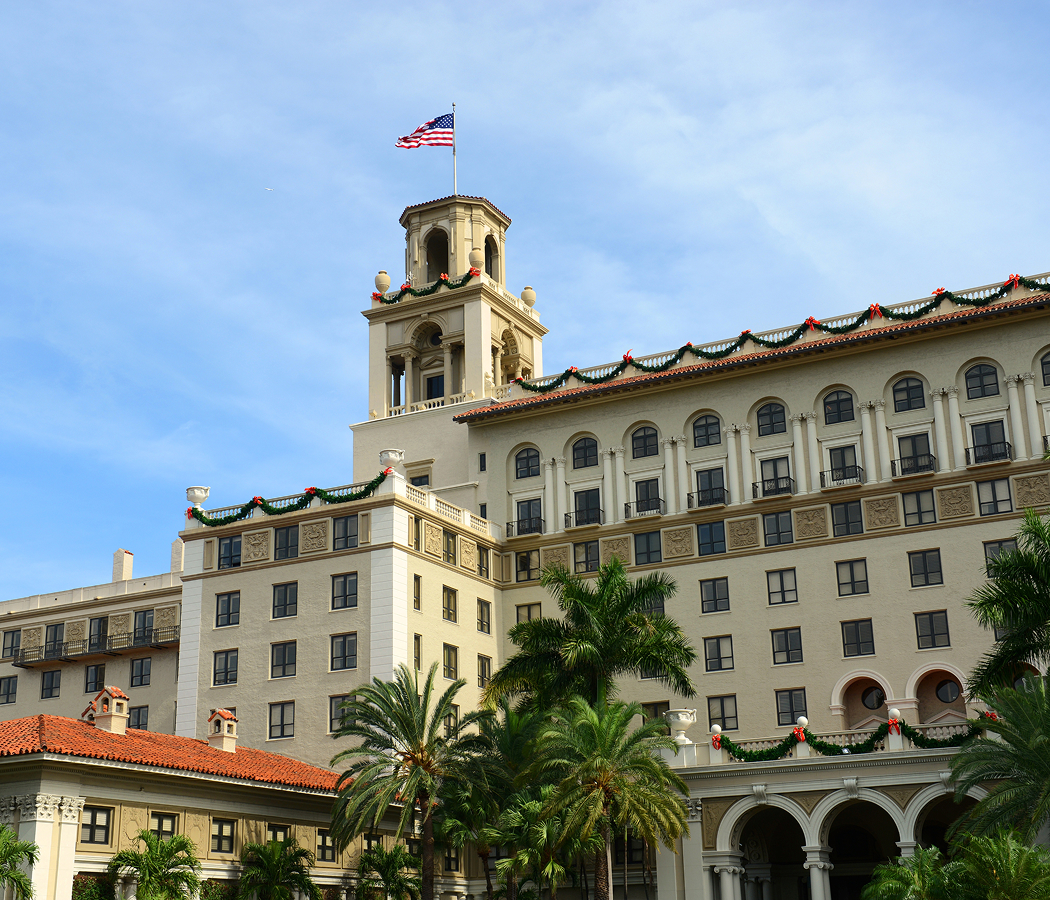
Running through Flamingo/Lummus between City Center and South of Fifth, the corridor connects celebrated Art Deco apartment houses, civic buildings, neighborhood parks, boutique businesses, and palm-lined sidewalks that collectively reflect Miami Beach's evolution from an ambitious resort town into a globally recognized urban destination. Mediterranean Revival façades, Streamline Moderne architecture, mature tree canopies, and broad pedestrian routes preserve the intimate scale established during the city's formative decades while encouraging exploration beyond the beachfront. Throughout the corridor, architect-designed buildings, longstanding institutions, and thoughtfully maintained public spaces reinforce a setting whose character has matured through preservation, reinvestment, and everyday neighborhood life. The result is an experience defined by architectural continuity, walkability, and one of South Beach's most engaging historic corridors.
What defines Meridian Avenue.
Meridian Avenue is best known for extending through the Miami Beach Architectural District, designated on the National Register of Historic Places in 1979 as the nation's first historic district recognized primarily for twentieth-century resort architecture. Development accelerated during the 1920s through the 1940s as Carl G. Fisher's vision attracted apartment courts, seasonal residences, hotels, and neighborhood commercial buildings designed in Mediterranean Revival, Art Deco, and Streamline Moderne styles. Architects including Henry Hohauser, L. Murray Dixon, Anton Skislewicz, Albert Anis, and Lawrence Murray shaped the surrounding streetscape through rounded corners, ribbon windows, porthole detailing, glass block, terrazzo entrances, and geometric ornamentation that established Miami Beach's internationally recognized architectural identity. Meridian Avenue also follows one of the city's original north-south alignments, linking early residential districts with the expanding civic and commercial core that emerged west of Ocean Drive during Miami Beach's principal era of growth. Royal palms, gumbo limbo, live oaks, sea grape, silver buttonwood, and flowering subtropical plantings continue reinforcing the lush streetscape that distinguishes the corridor from more intensely developed beachfront avenues.
The Miami Beach City Hall complex, completed in 1957 and designed by Robert Law Weed, introduced a restrained Mid-Century Modern civic landmark that reflected the city's postwar expansion while remaining closely tied to Meridian Avenue's governmental identity. The Miami Beach Police Department headquarters adjoining the corridor demonstrates the continued concentration of civic institutions that developed around this portion of South Beach during the mid-twentieth century. Cast-stone ornament, terrazzo paving, decorative stucco, steel casement windows, and locally quarried oolitic limestone incorporated throughout neighboring historic buildings demonstrate the craftsmanship and regional materials that unified Miami Beach's architectural style across successive decades of construction. Together, these civic institutions, enduring architectural materials, and preserved building traditions deepen the historical narrative established by Meridian Avenue's streetscape, demonstrating why the corridor remains central to Miami Beach's architectural evolution.
How Meridian Avenue fits.
Meridian Avenue works as an exploration of South Beach's architectural heritage and neighborhood character.
Begin at Flamingo Park, where mature tropical landscaping, historic recreational facilities, and expansive green space provide an inviting introduction to the surrounding neighborhood before setting out along Meridian Avenue toward the architectural heart of South Beach. Continue to Española Way, whose intimate courtyards, Mediterranean Revival architecture, and lively pedestrian atmosphere deepen the appreciation for the cultural influences that helped define Miami Beach's distinctive urban identity. Conclude at Lummus Park, where swaying palms, sweeping Atlantic Ocean views, and the celebrated Ocean Drive streetscape provide a memorable coastal finale that rewards the entire journey with the setting that made South Beach internationally famous. The progression moves naturally from neighborhood green space through one of Miami Beach's most atmospheric historic streets before concluding beside the Atlantic shoreline, revealing how Meridian Avenue connects the civic heart of South Beach with the coastal landscape that defines its enduring character.
Where your story begins.
Foresyte Travel reveals places that feel extraordinary long before you arrive.
Enjoy editorial crafted for luxury travelers.
Foresyte may earn a commission when you book.