Why Miami Avenue matters.
Miami Avenue is a storied corridor where Downtown's commercial heritage, architectural legacy, civic identity, and urban energy converge along one of the city's original north-south streets.
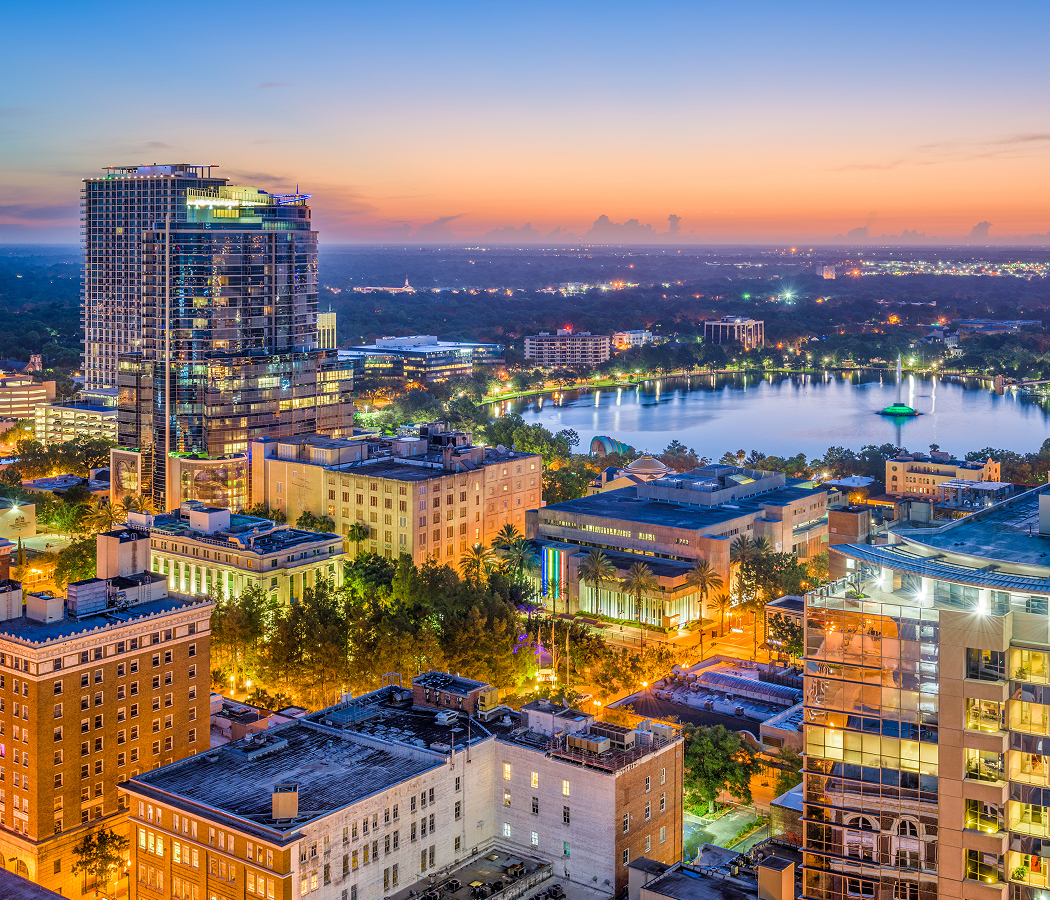
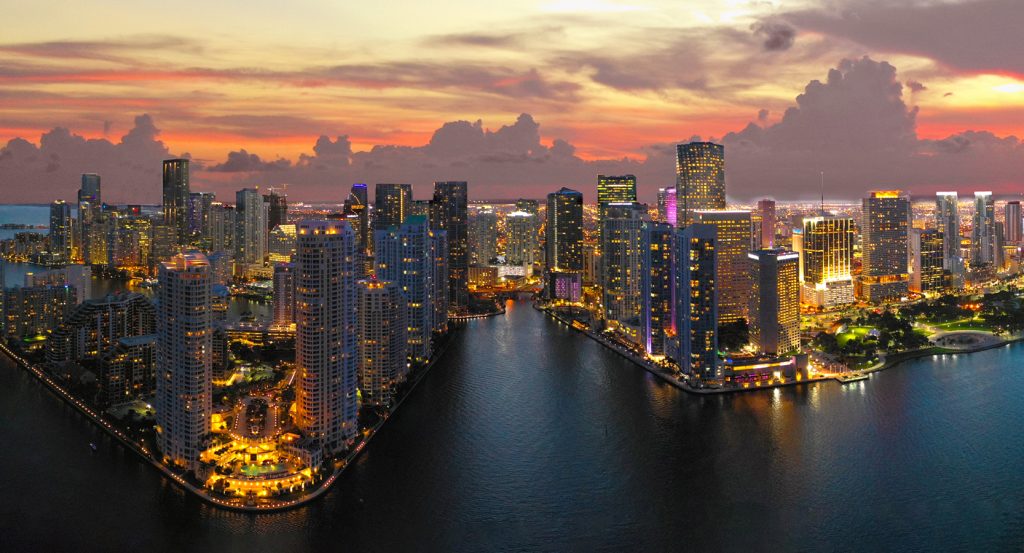
Running through Downtown between Overtown and Brickell, the corridor links historic office towers, early commercial buildings, cultural institutions, contemporary skyscrapers, and shaded public spaces that collectively trace Miami's transformation from a frontier settlement into an international financial center. Masonry landmarks, Art Deco towers, modern high-rises, and broad pedestrian sidewalks create a streetscape where successive generations of architecture remain visible within a compact urban setting. Throughout the corridor, nationally significant buildings, civic institutions, and enduring business districts reinforce a setting whose character has evolved through continuous reinvention while preserving tangible connections to the city's earliest decades. The result is an experience defined by architectural richness, historical continuity, and one of Miami's most important urban corridors.
What defines Miami Avenue.
Miami Avenue is best known for forming one of the original organizing streets established after Miami's incorporation in 1896, when Henry Flagler's Florida East Coast Railway transformed the settlement into South Florida's principal transportation and commercial center. The corridor developed rapidly during the Florida Land Boom of the 1920s as banks, hotels, department stores, office buildings, and professional services concentrated around Flagler Street, establishing Downtown as the region's dominant business district. Landmark architecture adjoining Miami Avenue includes the Alfred I. duPont Building, completed in 1939 by architects Phineas Paist, Harold D. Steward, and Leonard A. Schultze, the historic Seybold Building, completed in 1925 as the nation's leading jewelry center outside New York, and numerous Masonry Vernacular, Chicago School Commercial, Mediterranean Revival, and Art Deco structures documenting successive phases of urban growth. The corridor also connects directly with the Brickell Financial District, where late twentieth-century and contemporary high-rise construction established one of the largest concentrations of international banking institutions in the United States. Royal palms, live oaks, gumbo limbo, sabal palms, and thoughtfully designed streetscape plantings continue softening the dense urban environment while reinforcing Miami's subtropical identity.
The Olympia Theater, completed in 1926 for Paramount Enterprises and designed by John Eberson in his celebrated atmospheric style, introduced one of Florida's finest surviving movie palaces while extending the corridor's architectural narrative into Miami's performing arts history. Nearby the Miami Circle, an archaeological site dating between 500 BCE and 500 CE, preserves one of the earliest known expressions of permanent settlement by the Tequesta people, demonstrating that the landscape surrounding Miami Avenue supported human activity for centuries before the city's incorporation. Indiana limestone cladding, polished terrazzo floors, bronze detailing, decorative terra cotta ornament, and original steel windows preserved throughout adjoining historic buildings demonstrate the exceptional craftsmanship that characterized Downtown's greatest era of commercial construction. Together, these archaeological resources, cultural landmarks, and enduring architectural materials deepen the historical narrative established by Miami Avenue's streetscape, demonstrating why the corridor remains central to Miami's civic, commercial, and architectural identity.
How Miami Avenue fits.
Miami Avenue works as a walk through the historic and contemporary heart of Downtown.
Begin at HistoryMiami Museum, where comprehensive exhibitions introduce the city's cultural and architectural evolution before following Miami Avenue through its oldest commercial streets. Continue to Olympia Theater, whose lavish Mediterranean-inspired interior and atmospheric auditorium reveal one of Miami's greatest architectural treasures. Conclude at Brickell City Centre, where contemporary architecture, public art, and internationally recognized retail demonstrate the modern evolution of the corridor into a global financial destination. The progression moves naturally from historical interpretation through one of Miami's defining cultural landmarks before concluding within its contemporary commercial center, revealing why Miami Avenue remains one of the city's most significant urban corridors.
Where your story begins.
Foresyte Travel reveals places that feel extraordinary long before you arrive.
Enjoy editorial crafted for luxury travelers.
Foresyte may earn a commission when you book.