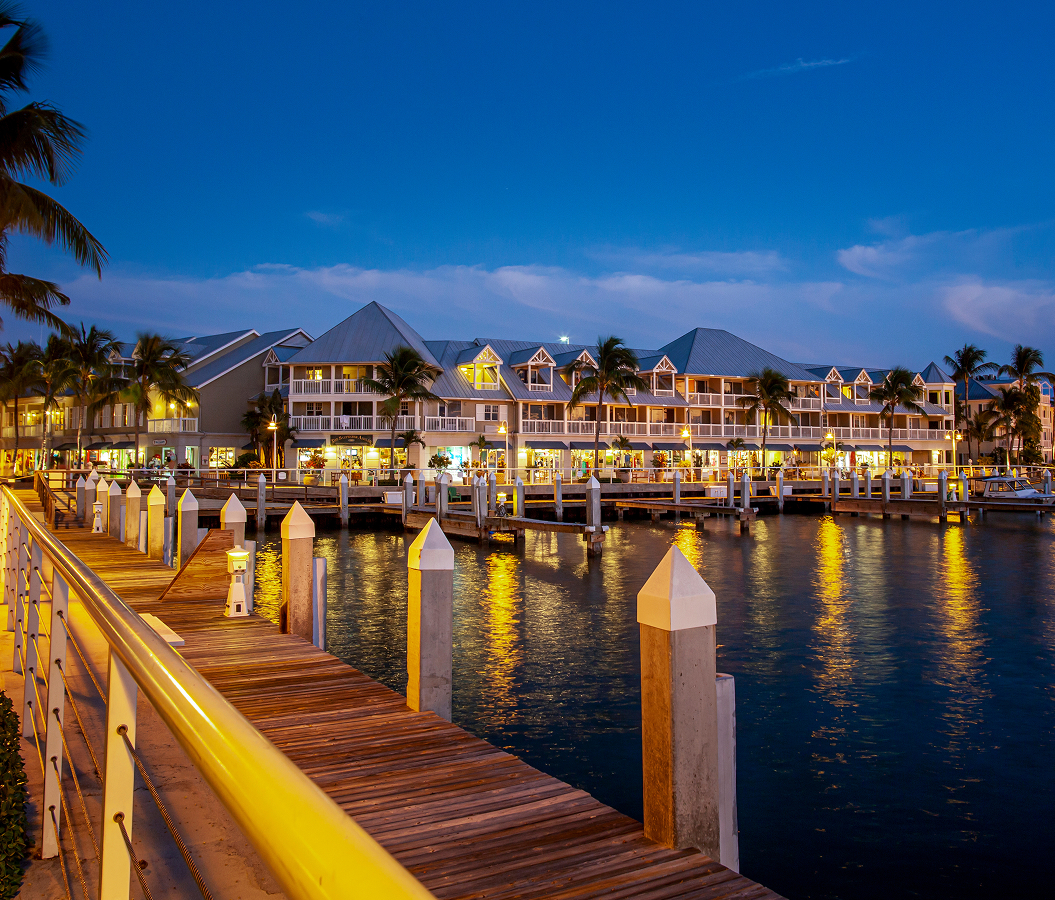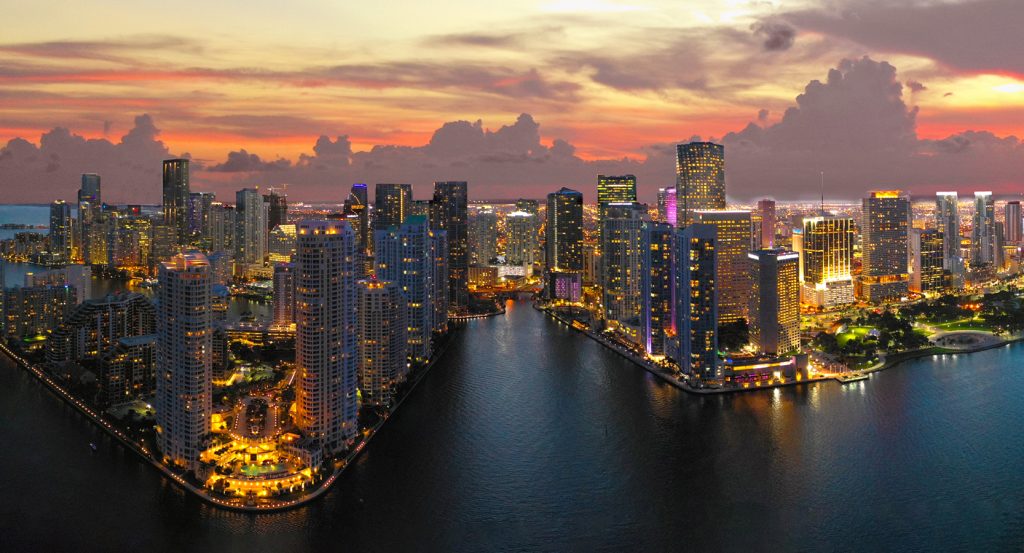
Why you should experience Miami Court in Miami, Florida.
Miami Court is a distinctive corridor where Downtown's architectural legacy, commercial heritage, urban renewal, and creative energy continue defining one of the city's most characterful historic streets.
Running through Downtown between Overtown and the Central Business District, the corridor links early twentieth-century commercial buildings, adaptive reuse projects, creative workplaces, civic institutions, and walkable urban blocks that collectively reflect Miami's evolution from a frontier settlement into an international metropolis. Masonry façades, historic warehouses, contemporary offices, and shaded streetscapes preserve the layered character of a district where successive generations of development remain visible. Throughout the corridor, architecturally significant buildings, entrepreneurial businesses, and preserved urban fabric reinforce a setting whose character has matured through continual reinvention. The result is an experience defined by authenticity, architectural depth, and one of Downtown's most compelling historic corridors.
What you should know about Miami Court.
Miami Court is best known for preserving part of Miami's early commercial street network established after the city's incorporation in 1896, when Henry Flagler's Florida East Coast Railway transformed the young settlement into South Florida's principal transportation and business center. Development accelerated during the Florida Land Boom of the 1920s as warehouses, wholesale distributors, light manufacturing facilities, and commercial buildings expanded west of Biscayne Boulevard to serve the rapidly growing city and its port economy. Buildings adjoining the corridor display Masonry Vernacular, Mediterranean Revival, Chicago School Commercial, and early Modern architectural influences through brick construction, reinforced concrete framing, decorative cornices, steel industrial windows, and ornamental masonry detailing that demonstrate successive phases of Downtown's commercial development. The nearby Miami River, Flagler Street, and the Florida East Coast Railway collectively established the transportation structure that shaped the surrounding warehouse district while encouraging dense commercial investment throughout the early twentieth century. Live oaks, royal palms, gumbo limbo, sabal palms, and carefully integrated streetscape plantings continue softening the urban environment while reinforcing the tropical character of Central Miami.
The Alfred I. duPont Building, completed in 1939 and designed by Phineas Paist, Harold D. Steward, and Leonard A. Schultze, introduced one of Florida's finest Art Deco office towers, illustrating the architectural ambition that accompanied Downtown's economic expansion. Nearby the Historic Overtown Folklife Village preserves the cultural legacy of one of the nation's most influential African American communities, extending the historical narrative surrounding Miami Court beyond its commercial origins through interpretation of music, entrepreneurship, and community life. Limestone cladding, polished terrazzo, bronze storefront detailing, original steel sash windows, and decorative cast stone surviving throughout adjoining historic structures demonstrate the craftsmanship that distinguished Downtown's early commercial architecture across multiple decades of development. Together, these architectural landmarks, cultural institutions, and enduring building materials deepen the historical narrative established by Miami Court's streetscape, demonstrating why the corridor remains an important expression of Downtown's commercial and architectural evolution.
How to fold Miami Court into your trip.
Miami Court works as a walk through Downtown's architectural history and evolving creative landscape.
Begin at HistoryMiami Museum, where exhibitions documenting the city's growth provide essential context before following Miami Court through one of Downtown's oldest commercial districts. Continue to Gesu Church, whose 1896 Gothic Revival architecture preserves one of Miami's oldest surviving religious landmarks while enriching the appreciation for the city's formative years. Conclude at Bayfront Park, where Biscayne Bay, grand public art, and expansive waterfront promenades provide a memorable finale celebrating the civic evolution of modern Miami. The progression moves naturally from historical interpretation through one of the city's oldest surviving buildings before concluding along the waterfront that continues shaping Miami's global identity.
Where your story begins.
Foresyte Travel reveals places that feel extraordinary long before you arrive.
Experience premium editorial crafted for luxury travelers.