Why Biscayne Boulevard matters.
Biscayne Boulevard is an iconic Edgewater corridor where architectural innovation, waterfront grandeur, and metropolitan ambition converge along one of South Florida's most celebrated thoroughfares.
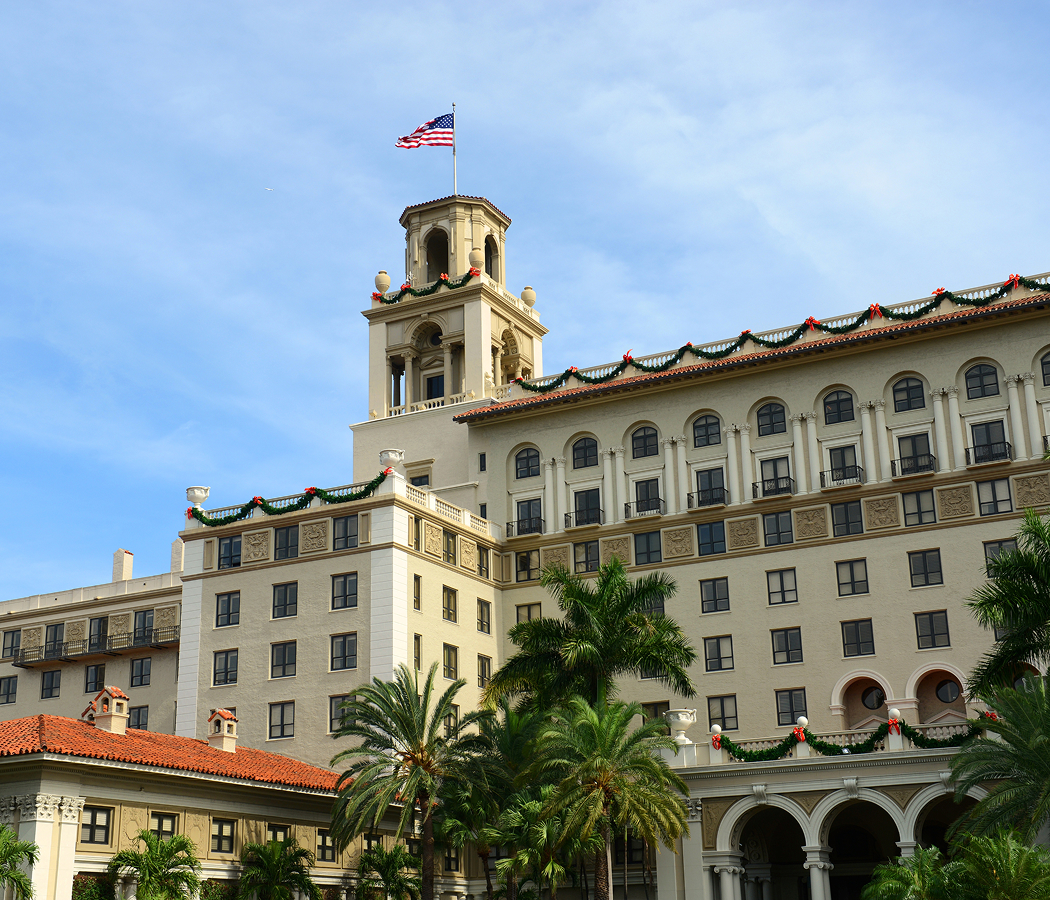
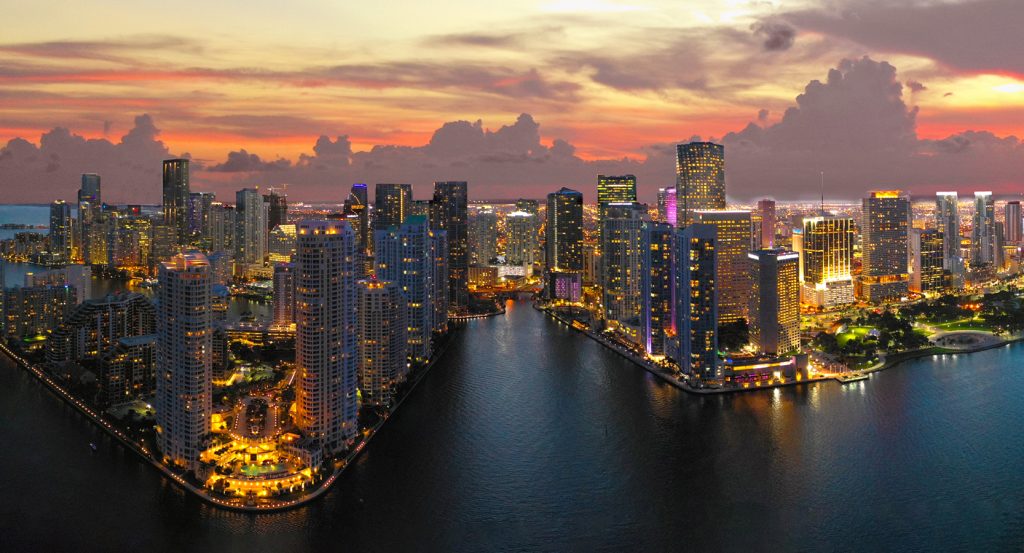
Running through Edgewater between Downtown and the Upper East Side, this renowned boulevard connects luxury waterfront towers, world-class museums, historic hotels, marinas, parks, cultural institutions, and energetic commercial districts across the eastern edge of Miami. Sweeping Biscayne Bay views accompany a streetscape where Miami Modern architecture, contemporary skyscrapers, and preserved historic landmarks collectively tell the story of the city's remarkable evolution. More than simply a transportation corridor, Biscayne Boulevard has long served as Miami's ceremonial front door, welcoming generations of residents and visitors arriving from the north. The result is a boulevard defined by architectural distinction, waterfront beauty, and enduring civic importance.
What defines Biscayne Boulevard.
Biscayne Boulevard is best known for becoming one of the largest New Deal infrastructure projects in South Florida, opening in 1927 after engineers carved a 13.5-mile boulevard through existing neighborhoods and mangrove shoreline to create a grand north-south artery that permanently redirected Miami's urban growth toward Biscayne Bay.
The ambitious undertaking required the acquisition and demolition of hundreds of existing buildings while constructing an entirely new roadway designed to accommodate Miami's explosive expansion during the Florida land boom. Completion of the boulevard immediately stimulated large-scale residential, commercial, and hotel development along its length, encouraging the emergence of neighborhoods including the MiMo District and Edgewater while strengthening Downtown's connection to the northern reaches of the city. During the following decades, architects lined the corridor with nationally significant examples of Miami Modern design, luxury apartment towers, cultural landmarks, and waterfront parks that transformed Biscayne Boulevard into one of the most recognizable urban corridors in Florida. Nearly a century after opening, the boulevard continues to function as both a vital transportation route and a living architectural timeline documenting Miami's rise into a global city.
How Biscayne Boulevard fits.
Biscayne Boulevard works as an exploration of Miami's waterfront architecture, cultural institutions, and historic neighborhoods.
Begin at Pérez Art Museum Miami, where internationally acclaimed exhibitions and striking waterfront architecture immediately establish the boulevard's cultural significance. Continue toward MiMo Biscayne Boulevard Historic District, whose internationally recognized collection of Miami Modern buildings preserves one of the nation's finest concentrations of postwar resort architecture. From there, make your way to Bayside Marketplace, where waterfront dining, shopping, and panoramic views of Biscayne Bay provide a lively conclusion to your journey. Along the route, luxury towers, marinas, public art, historic hotels, landscaped parks, and waterfront promenades reveal why Biscayne Boulevard has remained one of Miami's defining civic corridors for generations. The progression moves naturally from contemporary art to architectural preservation and finally to energetic waterfront life, revealing why Biscayne Boulevard continues to embody the evolution of modern Miami.
Where your story begins.
Foresyte Travel reveals places that feel extraordinary long before you arrive.
Enjoy editorial crafted for luxury travelers.
Foresyte may earn a commission when you book.