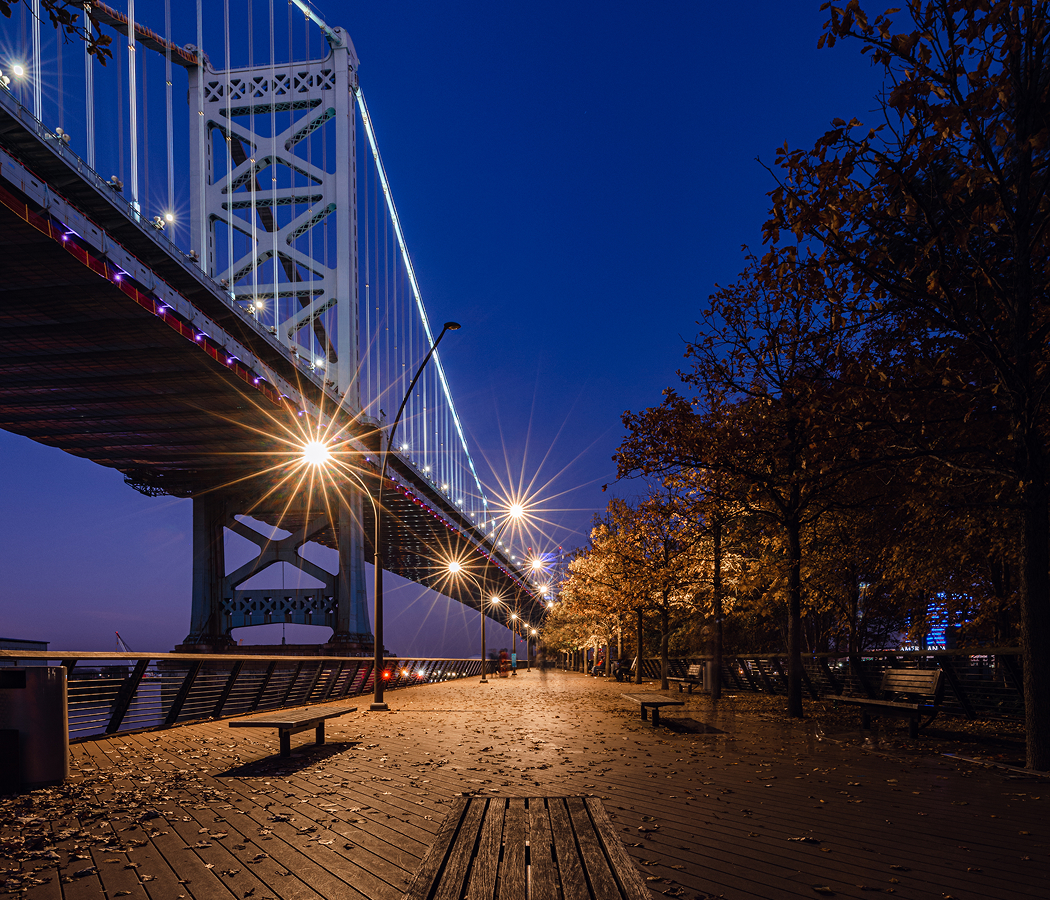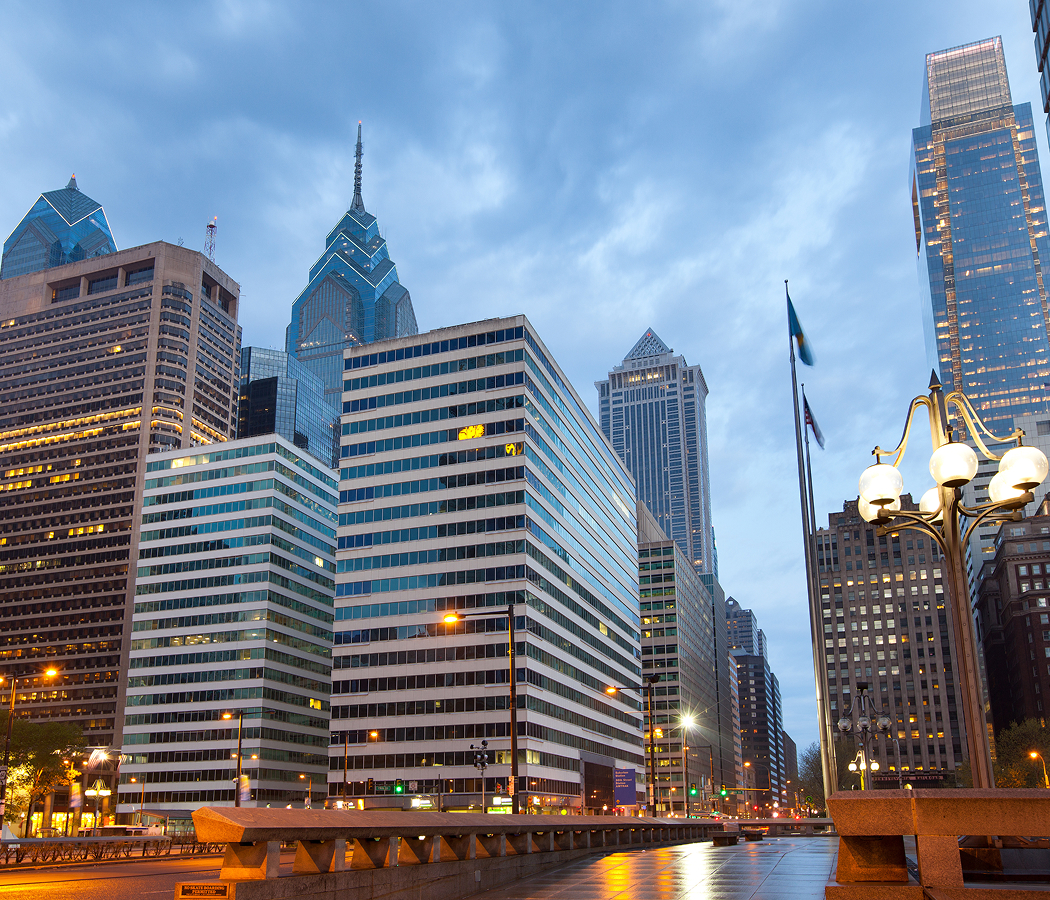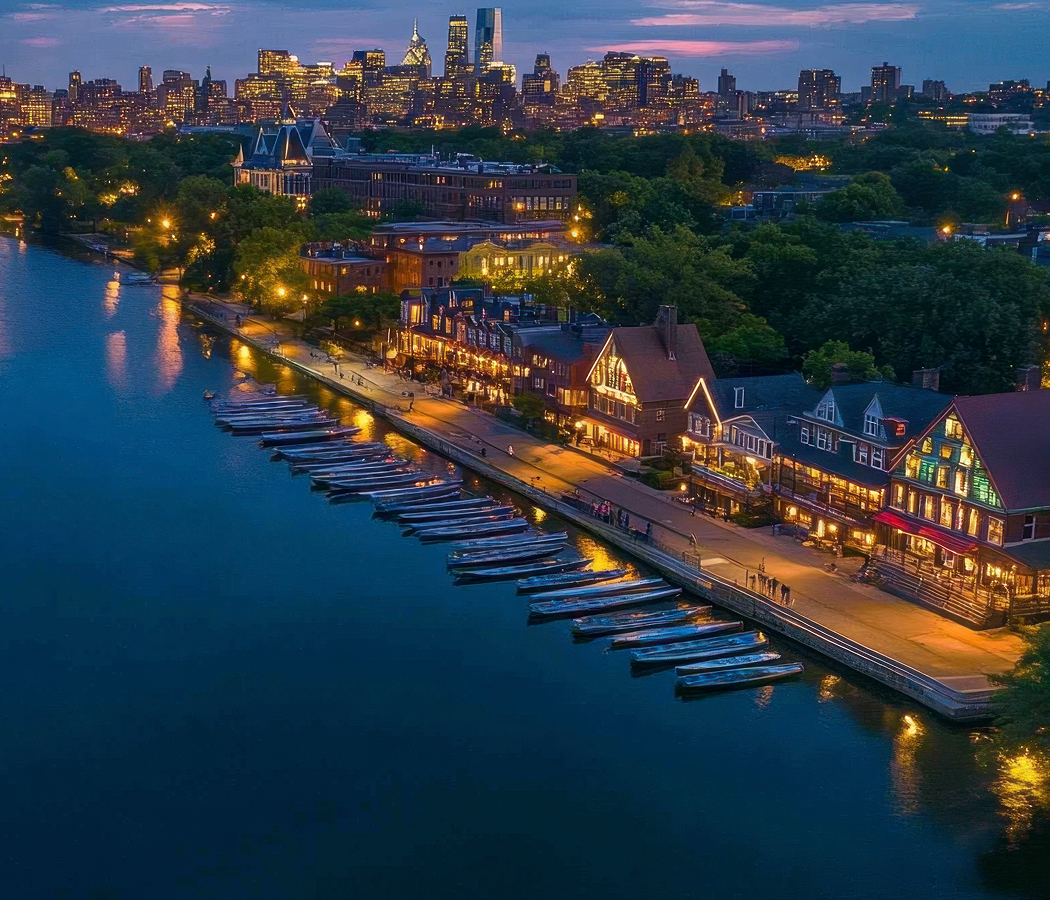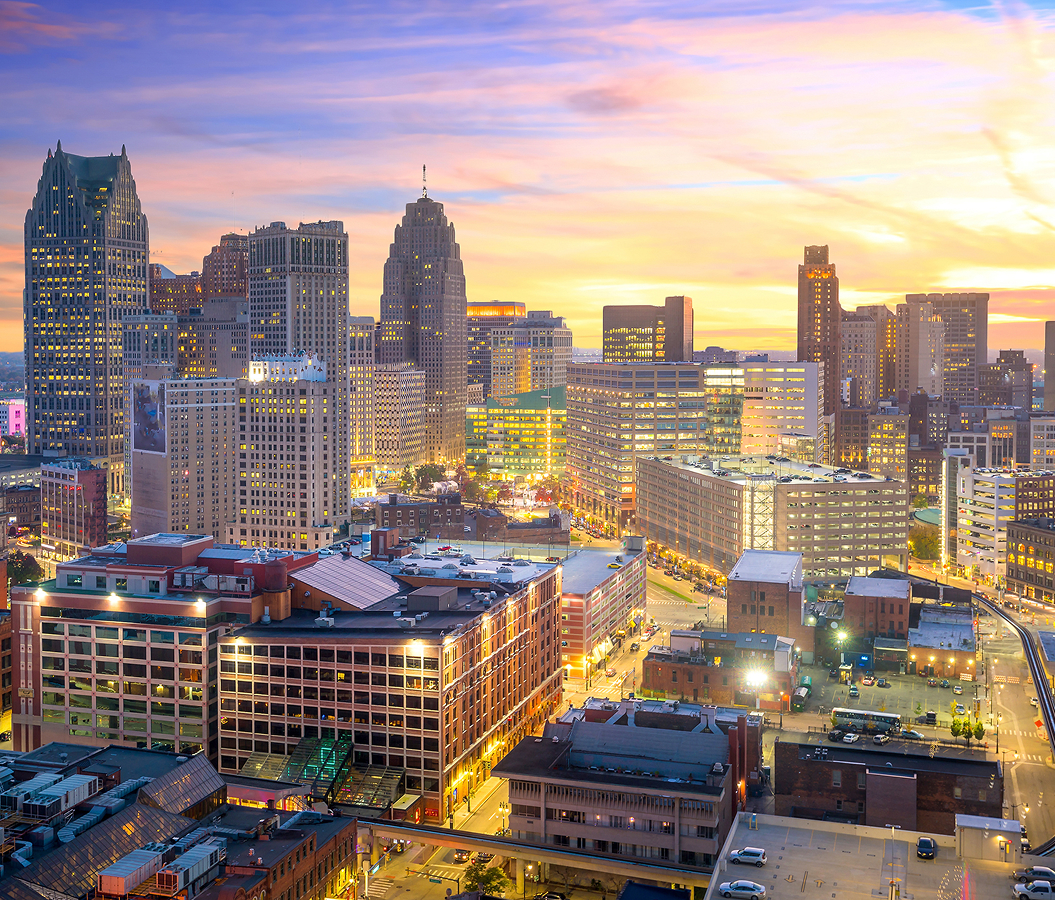
Why you should experience Oxford Street in Philadelphia, Pennsylvania.
Oxford Street is a cultivated corridor where Fairmount's artistic legacy, architectural distinction, civic heritage, and residential elegance define one of Philadelphia's most engaging neighborhood streets.
Running through Fairmount between Francisville and Spring Garden, the corridor connects nineteenth-century rowhouse blocks, cultural institutions, landscaped residential streets, and enduring commercial corners that collectively reflect Philadelphia's evolution through artistic patronage, civic investment, and urban craftsmanship. Successive blocks reveal how residential expansion, electric street railway service, and architectural ambition transformed former open land into one of the city's most cohesive neighborhoods. Throughout the corridor, brick rowhouses, mature street trees, and carefully preserved façades express more than a century of architectural continuity. The result is an experience defined by refinement, creativity, and one of Philadelphia's most appealing residential corridors.
What you should know about Oxford Street.
Oxford Street is best known for developing during Philadelphia's late nineteenth- and early twentieth-century residential expansion, when systematic subdivision extended the city's urban fabric north and west of Center City into what became the Fairmount district. Growth accelerated through the Union Traction Company and later the Philadelphia Rapid Transit Company, whose electric street railway routes along Fairmount Avenue, Ridge Avenue, and Girard Avenue strengthened connections between residential neighborhoods, manufacturing districts, and the city's commercial core. Builders introduced cohesive collections of Philadelphia rowhouses, Italianate, Queen Anne, and Colonial Revival architecture distinguished by red brick masonry, brownstone lintels, marble stoops, pressed-metal cornices, decorative brick corbelling, slate roofing, and ornamental wood detailing that continue defining the corridor's architectural identity. Residential development attracted merchants, skilled craftsmen, professionals, and entrepreneurs whose investment reinforced Fairmount's emergence as one of Philadelphia's most architecturally cohesive neighborhoods. Together, these transportation systems, residential development patterns, architectural traditions, commercial investment, and urban craftsmanship established Oxford Street as one of Fairmount's defining corridors.
Recognition of nearby contributing resources within the Fairmount Historic District has reinforced preservation of historic masonry, original residential façades, ornamental detailing, and nineteenth-century streetscapes that document the neighborhood's architectural evolution. Continued investment by the City of Philadelphia and the Delaware Valley Regional Planning Commission has supported roadway rehabilitation, pedestrian accessibility improvements, bicycle infrastructure, intersection modernization, and streetscape enhancements that strengthen neighborhood connectivity while preserving the corridor's historic character. Ongoing rehabilitation of historic residences has extended the lifespan of traditional masonry construction, slate roofing, decorative cornices, and original streetscape proportions that continue distinguishing Oxford Street within Fairmount. Collectively, these preservation initiatives, infrastructure improvements, planning partnerships, and long-term reinvestment demonstrate how Oxford Street continues balancing architectural continuity with contemporary neighborhood vitality.
How to fold Oxford Street into your trip.
Oxford Street works as an exploration of Fairmount's artistic heritage, architectural character, and cultural legacy.
Begin at Eastern State Penitentiary, where grand stone architecture, nationally significant history, and compelling interpretation establish a powerful introduction to the neighborhood while revealing one of Philadelphia's most influential nineteenth-century engineering achievements. Continue to The Barnes Foundation, where internationally celebrated collections of Impressionist, Post-Impressionist, and Modern art deepen appreciation for Fairmount's cultural character before naturally leading farther into the surrounding residential streets. Conclude at Philadelphia Museum of Art, where one of the nation's premier art museums provides the historical and cultural payoff through world-renowned collections, distinguished architecture, and commanding views across the city. Together, the sequence moves from architectural innovation to artistic excellence before culminating in Philadelphia's defining cultural institution, expressing the enduring character that surrounds Oxford Street.
Where your story begins.
Foresyte Travel reveals places that feel extraordinary long before you arrive.
Experience premium editorial crafted for luxury travelers.