
Why you should experience Royal Hotel Seoul in Seoul, South Korea.
Royal Hotel Seoul is where modern Korean elegance meets the timeless heartbeat of Myeongdong, where polished contemporary design blends seamlessly with the electric rhythm of Seoul's most iconic district, and where stepping inside feels like entering a refined, light-filled sanctuary crafted for travelers who want sophistication, comfort, and unbeatable proximity to the cultural, commercial, and culinary core of the city.
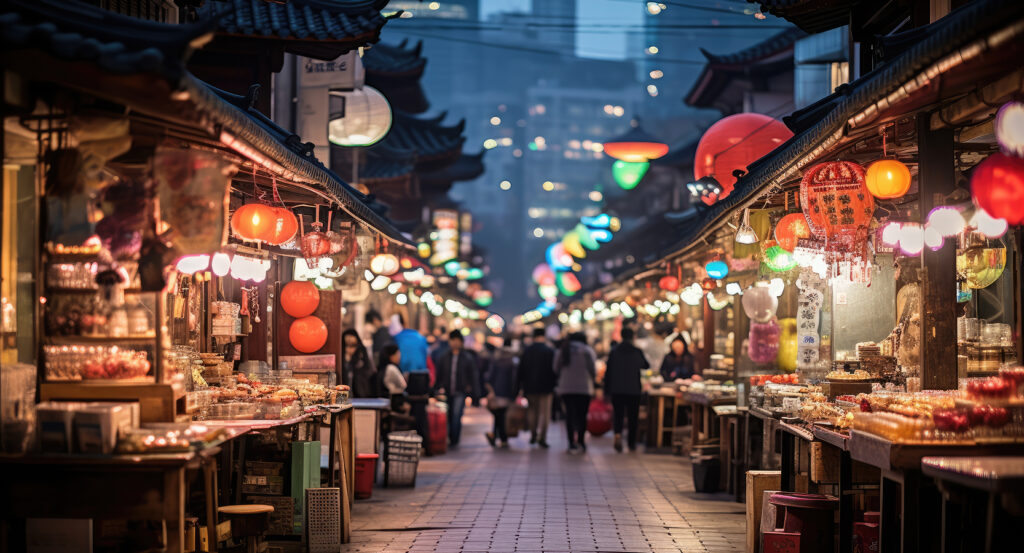
Set along one of Myeongdong's most energetic arteries, the hotel rises with a gleaming, contemporary façade that reflects both the city's futuristic skyline and the district's bright neon personality. Step through the doors and the lobby unfolds into a calm, sophisticated world: marble surfaces, warm lighting, sculptural accents, soft neutrals, glass detailing, elegant Korean-inspired textures, and a sense of quiet refinement that immediately separates you from the bustle outside. There's a smoothness and composure to the atmosphere, a polished urban calm that feels intentional and grounding. Rooms continue this tone of clean, modern sophistication. Expect crisp linens, plush bedding, warm ambient lighting, upholstered seating, smooth wood finishes, and thoughtfully curated décor that blends Korean sensibility with international comfort. Many rooms feature wide windows overlooking the rooftops, lights, and movement of Myeongdong, a constantly shifting view that feels alive day and night. Bathrooms are sleek and contemporary with stone surfaces, illuminated mirrors, rainfall showers, deep soaking tubs in select categories, premium amenities, and the kind of thoughtful layout that makes daily rituals feel luxurious. Suites elevate the experience with expanded living areas, elevated city views, upgraded finishes, and a quiet, private sense of space ideal for longer stays or more indulgent trips. One of the property's most captivating features is its Sky Lounge and upper-floor restaurant, where panoramic views stretch over the city, Namsan Tower, Myeongdong's vivid signage, the skyline of Jongno, and the shimmering web of lights that make nighttime in Seoul so unforgettable. It's a spectacular place for breakfasts with sweeping views, sunset drinks, or elegant dinners above the city. The hotel's wellness facilities further deepen the escape. The fitness center is bright and well-equipped, offering a refreshing place to start the morning or unwind after exploring the city. The spa and beauty services add a restorative layer to the stay, while the upper-level relaxation spaces create a calm buffer between you and the city's lively energy. Service at Royal Hotel Seoul is polished, warm, and genuinely attentive. Staff members are convivial, proactive, and detail-oriented, offering restaurant recommendations, assisting with transit directions, coordinating reservations, and making your stay feel smooth from the moment you check in. The warmth feels authentically Korean: respectful, quietly supportive, and delivered with an intuitive understanding of guest comfort. The location, however, is the trump card. Step outside and you're instantly immersed in Myeongdong, skincare shops, fashion boutiques, cafés, street-food stalls grilling meats and sweets, dessert bars, and open-air markets stretching in every direction. It's a neighborhood that hums with life late into the night. Within walking distance lie Namsan Mountain, Namdaemun Market, Cheonggyecheon Stream, City Hall, and the cultural corridors that lead toward Jongno and Insadong.
What you should know about Royal Hotel Seoul.
Royal Hotel Seoul stands on land layered with centuries of transformation, from a Joseon-era merchant corridor to a mid-century cultural hub to the modern epicenter of Korea's global tourism and retail landscape.
During the Joseon Dynasty, this district formed one of the key commercial arteries between the Gwangtong Bridge area of Cheonggyecheon and the markets surrounding Namdaemun Gate. The land where the hotel sits today once hosted a dense collection of hanok workshops and family-run businesses, textile dyers, paper craftsmen, herbalists, lantern makers, calligraphy suppliers, and metal artisans who produced everyday necessities for the capital's scholars, officials, and merchants. Narrow alleys, interconnected yards, and cooperative trade spaces defined the neighborhood's layout. In the late 19th and early 20th centuries, the broader Myeongdong area evolved rapidly as Korea opened its doors to global influence. Western-style cafés, early department stores, bookshops, and international shops began appearing throughout the blocks surrounding the hotel's site. Students, writers, activists, diplomats, and artists gravitated here, establishing Myeongdong as a symbolic center of intellectual and cultural life. After the Korean War, the neighborhood became a defining landmark of South Korea's rebirth and modernization. Fashion houses, jewelry stores, and cafés opened, while theaters drew crowds from across the city. The land beneath Royal Hotel Seoul underwent its first major redevelopment phase during the mid-century expansion of Myeongdong as a global shopping district. Historical notes show that early excavations unearthed remnants of old ceramic roof tiles, iron tools, carved wooden beams, and pottery fragments, physical echoes of the district's earlier centuries. When the first iteration of Royal Hotel Seoul rose in the 1970s, it became one of the earliest modern international-style hotels in the area, a symbol of changing architectural tastes and a marker of Myeongdong's growing commercial significance. Through multiple renovations, expansions, and design transformations, the hotel has continued to evolve alongside the district, preserving the significance of its location while adapting to the aesthetics and expectations of new generations of travelers. Today, Royal Hotel Seoul stands as a polished, contemporary expression of the neighborhood's long history, a place where centuries of commerce, culture, creativity, and reinvention have converged into one dynamic urban center.
How to fold Royal Hotel Seoul into your trip.
Royal Hotel Seoul becomes your polished, light-filled launchpad, where mornings begin with sweeping views over Myeongdong, afternoons unfold into the cultural and culinary corridors of Central Seoul, and evenings settle into the district's neon-lit energy and endless food discoveries.
Start the morning with breakfast overlooking the skyline, then step outside into the soft morning buzz of Myeongdong before the crowds arrive. Wander toward Cheonggyecheon Stream for a peaceful riverside walk, or head to Deoksugung Palace to experience its stone paths, seasonal gardens, and serene architecture. Midday, explore Myeongdong's shopping streets, then walk to Namdaemun Market, hike or ride the cable car up Namsan Mountain, or head into the Jongno district for traditional tea houses, galleries, and historic lanes. In the afternoon, explore Gwanghwamun Square, Bukchon Hanok Village, or the palaces if you want history, or head to Gangnam or Hongdae for a completely different pulse of Seoul. As evening settles, dive into Myeongdong's night market, sizzling skewers, hotteok, tteokbokki, dumplings, and endless snacks served under bright signs and animated crowds. Or take a quick metro ride to Itaewon or Euljiro for dinner, cocktails, and late-night cafés. End your night with a quiet moment in your room overlooking the glowing rooftops, or enjoy a refined drink at the hotel's sky lounge before retreating to your peaceful space above the city.
Where your story begins.
Foresyte Travel reveals places that feel extraordinary long before you arrive.
Experience premium editorial crafted for luxury travelers.

















































































































