Why you should experience Silversmith Hotel Chicago Downtown in Chicago, Illinois.
Silversmith Hotel Chicago Downtown is where timeless craftsmanship meets contemporary elegance, where the glittering legacy of Chicago's jewelry district lingers in every detail, and where historic architecture and modern luxury intertwine to create a stay that feels intimate, artistic, and quietly luminous.
Set on Wabash Avenue in the heart of the Loop, the Silversmith occupies one of Chicago's most exquisite historic buildings, a late 19th-century architectural masterpiece designed by Peter J. Weber of the iconic firm D.H. Burnham & Company. The façade is a study in proportions and artistry: tall, elongated windows framed in decorative white terra cotta, intricate detailing that reflects the craftsmanship of the jewelers who once filled the surrounding district, and a rhythmic verticality that captures the optimism of Chicago's post-Fire architectural renaissance. Step inside, and the lobby reveals a world that feels both intimate and grand. Velvet textures, warm metallics, contemporary lighting, and dark woods blend with restored architectural elements to create an atmosphere that pays homage to the building's heritage while embracing a modern, design-forward identity. There's a warmth to the space, a golden, jewel-toned glow that echoes the history of artisans who once worked in the district's ateliers. Rooms are refined, serene, and visually striking. Expect high ceilings that echo the building's historic bones; plush bedding wrapped in crisp white linens; elegant furniture blending dark wood, brushed metal, and soft fabrics; and a palette of charcoal, cream, gold, and deep garnet that references the jewelers' craft. Large windows fill the rooms with natural light and frame views of the Loop's dynamic streetscape, elevated trains gliding by, towers rising overhead, and the quiet poetry of Chicago's historic architecture unfolding beyond your window. Bathrooms are luxurious without excess: polished stone surfaces, glass-enclosed showers, refined chrome fixtures, soft lighting, and spa-inspired amenities that turn your morning routine into something calm, grounding, and indulgent. Suites elevate the experience with spacious living areas, sculptural furnishings, curated art, upgraded materials, and layouts that feel residential. They reflect the building's legacy with a modern sensibility, warm, intimate, and perfectly composed. Dining centers around Adamus Restaurant & Lounge, a stylish, contemporary space that blends sharp geometric lines with glowing metallic finishes and moody lighting. The menu features refined American cuisine with a modern twist, crafted cocktails, carefully plated dishes, and an atmosphere that feels equally suited for a business dinner, a romantic evening, or a late-night cocktail beneath shimmering lights. Public spaces throughout the hotel embrace the concept of crafted luxury. Lounge areas feature jewel-toned furniture, metallic accents, and artistic lighting installations that reference the district's history. The design language blends modern sophistication with the timeless aura of Chicago's architectural heritage. Wellness elements include a modern fitness center, serene guestroom layouts designed for deep rest, and immediate access to some of Chicago's most walkable areas: Millennium Park, the lakefront, historic theaters, and iconic architectural corridors that invite exploration. The hotel's boutique scale adds to the sense of serenity.
What you should know about Silversmith Hotel Chicago Downtown.
Silversmith Hotel Chicago Downtown stands on land rooted in Chicago's industrial, artistic, and architectural evolution, territory that once thrived as the beating heart of the city's jewelry and craftsman trade and today remains one of its most architecturally significant districts.
Completed in 1897, the building was part of the famed jewelry district, a buzzing corridor filled with silversmiths, watchmakers, goldsmiths, gem traders, and artisans whose work helped define Chicago's reputation for craftsmanship. The structure was built using the Chicago School architectural principles that shaped early skyscraper design: steel-frame construction, large vertical windows for natural light, and a façade that balanced ornamentation with modern simplicity. The architect, Peter J. Weber, apprenticed under Daniel Burnham and carried forward the pioneering ideas of the era, ideas that would influence the shape of American architecture for decades. The building's early tenants included silversmith ateliers, gem engravers, and metalworkers whose workshops required abundant natural light, one reason why the structure features such generous, elongated windows. These windows not only defined the building's appearance but also illuminated thousands of handcrafted pieces of jewelry that passed through the district. A little-known detail: the building's original vaults and safekeeping rooms, used for storing precious metals and stones, still exist beneath the modern structure, reinforced chambers that reflect the district's economic significance at the turn of the century. During later renovations, architectural preservationists uncovered hidden moldings, original marble fragments, and decorative terra cotta elements that had been concealed for decades under layers of modernization. These discoveries informed the restoration that preserved the building's historic charm while updating it for contemporary hospitality. Another fascinating layer: the structure once participated in the broader urban movement that led to the development of Block 37, the State Street retail renaissance, and the revitalization of Wabash Avenue as a cultural corridor. The elevated tracks running alongside the hotel, often seen as an aesthetic challenge, were embraced by designers who used thick window glass, structural dampening, and enhanced acoustics to preserve interior serenity while celebrating the hotel's location within Chicago's iconic L-line heritage. The building sits on what was once part of the Burnham-era rebuilding grid following the Great Chicago Fire, land intentionally planned to support taller structures, wider streets, and more efficient commercial distribution. Its survival through multiple architectural eras, Beaux-Arts, Art Deco, modernism, and contemporary redesign, makes it one of the few Loop buildings that has continuously evolved while retaining its historic soul. Today, Silversmith Hotel stands as a living artifact of Chicago's early skyscraper innovation and an enduring symbol of the artistry and craftsmanship that shaped the city's identity.
How to fold Silversmith Hotel Chicago Downtown into your trip.
Silversmith Hotel Chicago Downtown becomes your jewel-box sanctuary, where mornings begin with sunlight filtering through tall historic windows, afternoons unfold into cultural exploration and architectural splendor, and evenings settle into soft golden lighting, intimate dining, and the quiet romance of the Loop at night.
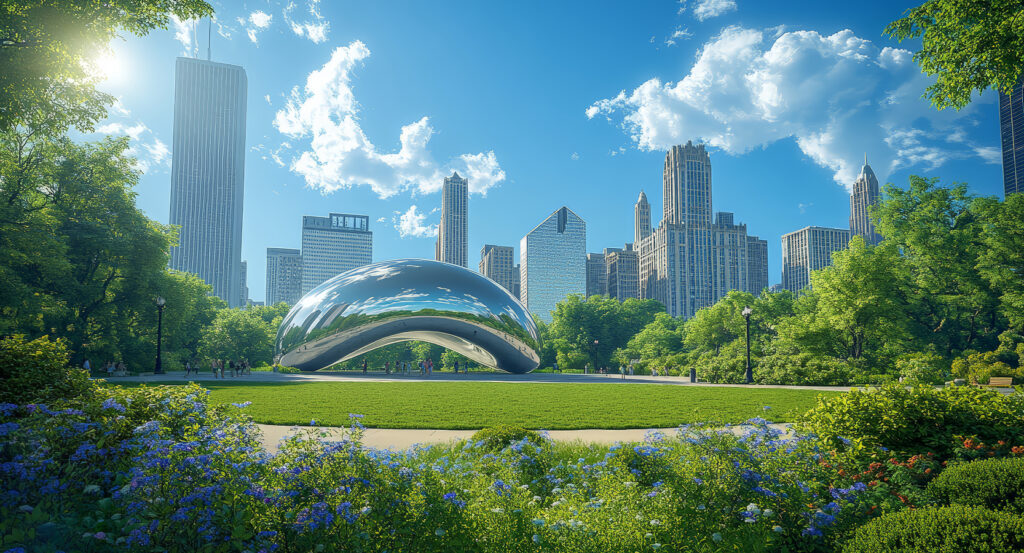
Start the morning with breakfast or coffee at Adamus, then step outside onto Wabash Avenue as the city stirs awake, the elevated trains gliding above, early light reflecting off stone façades, and Chicago's architectural heartbeat echoing through the streets. Walk to Millennium Park, taking in Cloud Gate, Lurie Garden, and the reflective symmetry of the Pritzker Pavilion. Continue to the Art Institute, where masterpieces across centuries invite you into worlds of color, form, and texture. Midday, explore State Street's historic retail corridor, stroll through the Chicago Cultural Center, or wander toward Michigan Avenue for shopping, cafés, and sweeping views of the lake. For lunch, choose from nearby gastropubs, bistros, or classic Loop cafés. Return to the hotel for an afternoon reset, sink into the plush bedding, enjoy the quiet intimacy of your room, or simply watch the elevated trains glide past like moving sculptures outside your window. As evening arrives, slip into Adamus for a craft cocktail, or venture into the Theater District for dinner and a show. Walk along the river at twilight, where the lights shimmer across the water and the Loop's architectural silhouettes glow warm against the night sky. When you return to your room, let the serene lighting, soft textures, and quietude of the historic building wrap around you like a luxury cocoon.
Where your story begins.
Foresyte Travel reveals places that feel extraordinary long before you arrive.
Experience premium editorial crafted for luxury travelers.