Why you should visit Suntory Museum of Art.
The Suntory Museum of Art is where minimalism meets mastery, a serene counterpoint to Tokyo’s chaos, designed to make you feel the quiet pulse of Japanese aesthetics. Located inside Tokyo Midtown, the museum dissolves the line between architecture and philosophy. Its design, by Kengo Kuma, radiates warmth, soft cedar lattices filter the sunlight like shoji screens, bathing the galleries in an amber calm that slows time. Unlike grand institutions heavy with formality, the Suntory Museum of Art seduces with restraint. Its rotating exhibitions explore themes of “Art in Life,” showcasing lacquerware, textiles, ceramics, and glass that elevate everyday craftsmanship into poetry. Each object feels alive, not relics behind glass, but whispers from centuries of design philosophy. Walking through, you realize the genius lies not in grandeur, but in how every line, shadow, and scent invites contemplation.
The museum’s curation is distinctly Japanese in its fluidity, seasonal, emotional, and sensorial. Exhibits shift with the rhythm of nature, often reflecting the colors or moods of the month. What makes the experience unforgettable is its ability to distill complexity into calm, a scroll painting might share space with a modern ceramic installation, both unified by their devotion to impermanence and beauty in simplicity. This balance of old and new, craft and concept, defines the museum’s soul, one that doesn’t lecture but envelops, coaxing you to feel rather than analyze.
What you didn’t know about Suntory Museum of Art.
What few know is that the museum’s roots date back to 1961, long before Tokyo Midtown or Kengo Kuma’s architectural renaissance.
It was originally founded by the Suntory brewing family, whose mission extended beyond whiskey to cultivating Japan’s artistic heritage. Over the decades, the collection grew quietly, shifting locations and expanding its scope before finding its perfect home in Roppongi in 2007. Kuma’s vision transformed it into a living gallery, embedding traditional materials like bamboo and paper into an ultra-modern shell. Even the air here feels curated, a mix of cypress and lacquer that mirrors the sensory philosophy behind Japanese hospitality. Many exhibitions are designed in collaboration with artisans or tea masters, emphasizing how Japan’s cultural artistry remains alive in everyday ritual. Hidden beneath the museum lies a tea room where private ceremonies occasionally occur, a secret continuation of the “art in daily life” creed that defines the space. It’s a reminder that refinement in Japan isn’t an affectation; it’s a lived truth.
How to fold Suntory Museum of Art into your trip.
To fold the Suntory Museum of Art into your Tokyo itinerary, approach it as a palette cleanser for the senses.
After the sensory flood of Shibuya or Akihabara, retreat here for an hour of curated silence. Pair it with a walk through the adjacent Tokyo Midtown Garden, or lunch at one of the building’s refined restaurants overlooking the greenery. Visit on a weekday morning when crowds are minimal, allowing the natural light to become part of the exhibition itself. As you move through the final gallery, where calligraphy dances in negative space, you’ll understand the Suntory Museum’s quiet seduction: it doesn’t demand admiration, it draws it out of you. By the time you step back into the sunlight, Tokyo feels softer, as if the city has momentarily exhaled.
Hear it from the Foresyte community.
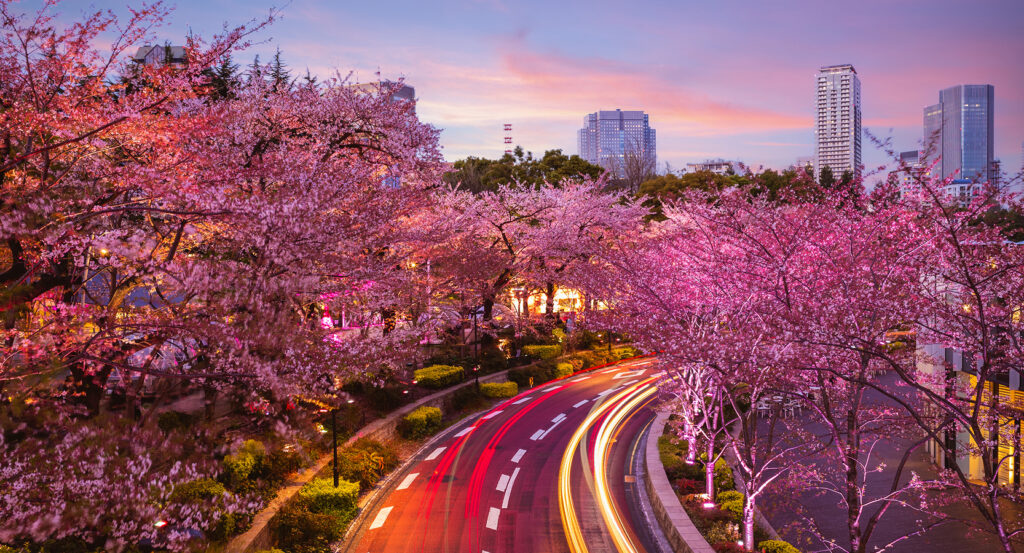
Whole place feels like Tokyo showing off its softer side. Blossoms floating in the air, glass towers glowing above, and everyone stopping for once just to look.
Where meaningful travel begins.
Start your journey with Foresyte, where the planning is part of the magic.
Discover the experiences that matter most.