Why The Ritz-Carlton matters.
The Ritz-Carlton, Turks & Caicos is a refined Caribbean resort where Grace Bay's protected marine landscape meets the islands' salt-trading history, coral-sand beaches and emergence as one of the region's most exclusive coastal destinations.
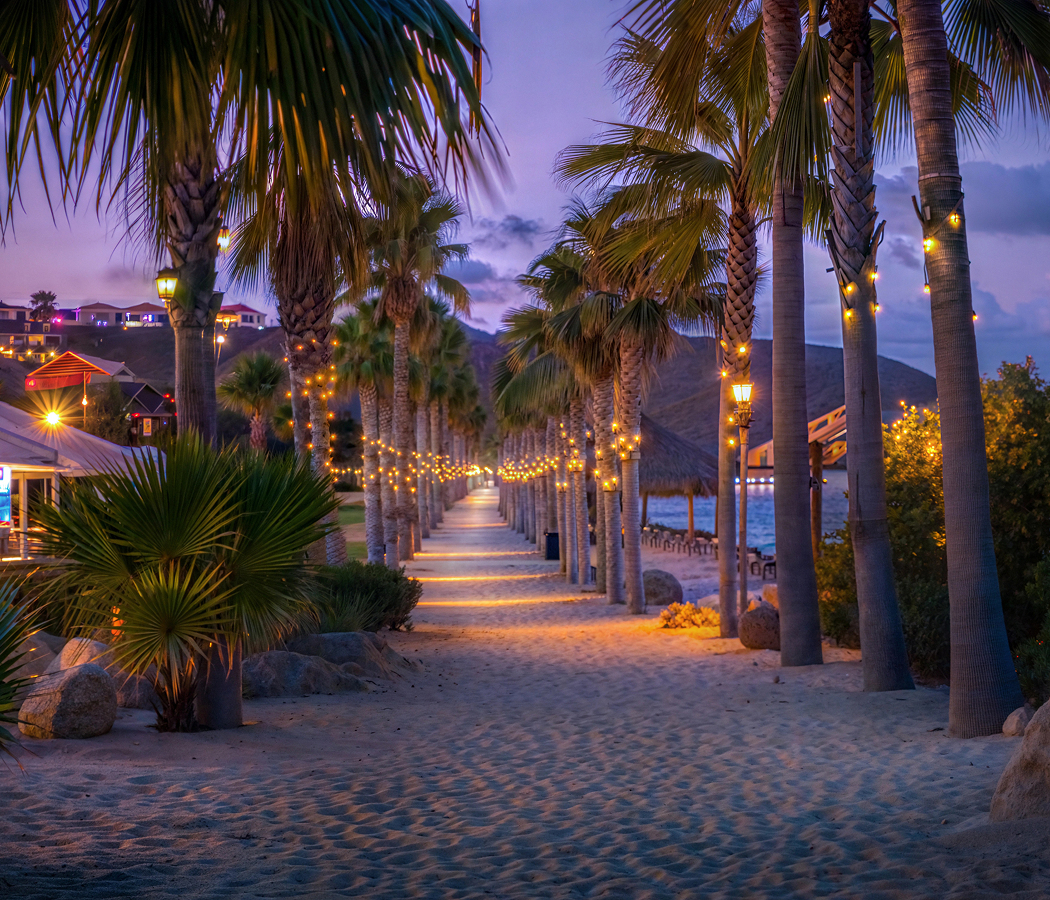
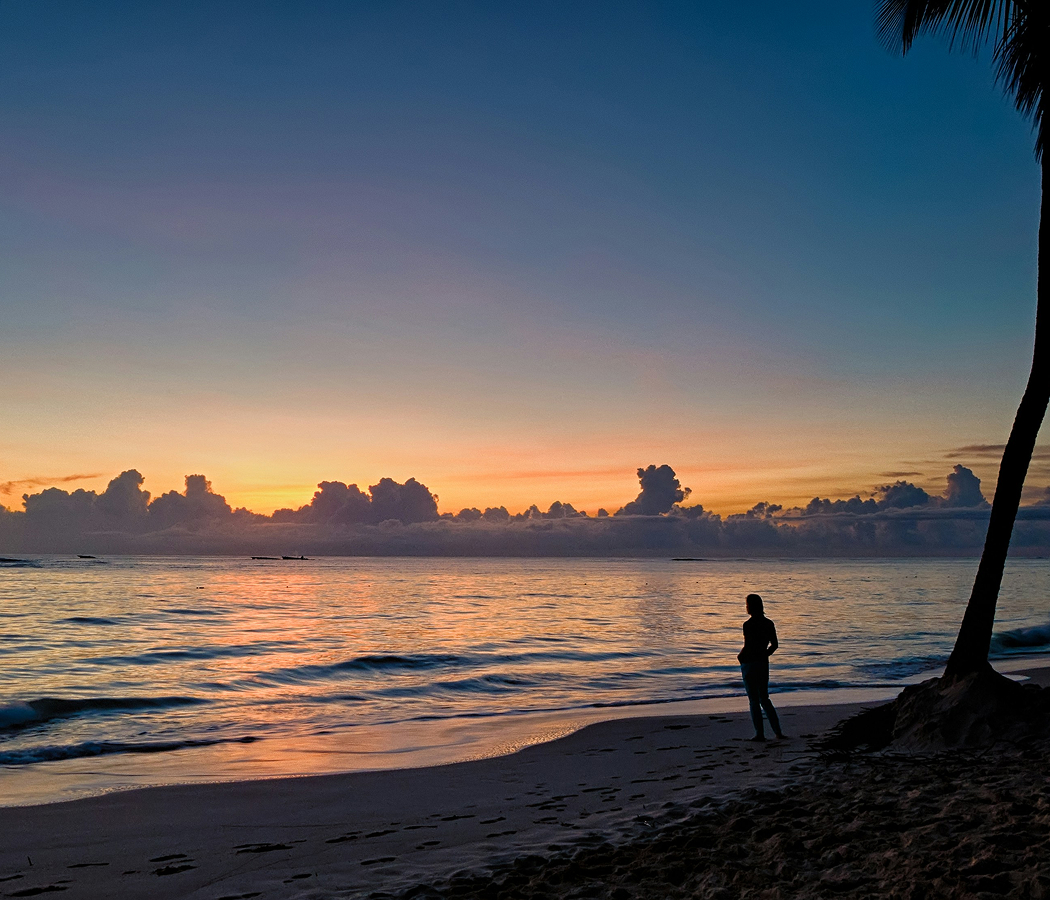
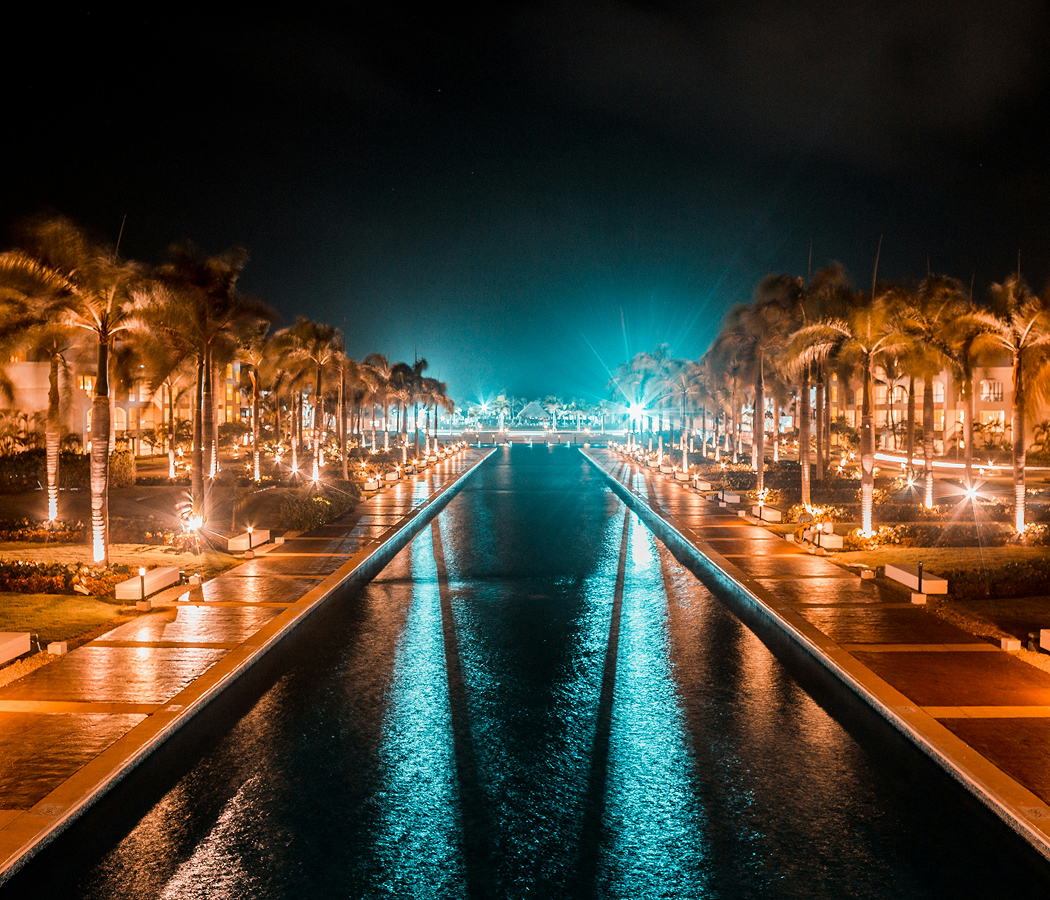
Set along Grace Bay Road on Providenciales, The Ritz-Carlton, Turks & Caicos occupies a beachfront position beside Princess Alexandra National Park, with Grace Bay opening eastward toward the barrier reef and the island's low scrubland extending inland toward Leeward and Long Bay. Its low-rise architecture follows the shoreline through pale stone, broad balconies, shaded terraces and planted courtyards. The resort's buildings remain close to the beach while maintaining a sequence of pools, gardens and outdoor gathering spaces between the accommodations and the sea. Guest rooms and suites face the Caribbean, the gardens or the sweeping curve of Grace Bay, where bright water changes from turquoise shallows to deeper blue beyond the reef. The property's beachfront setting gives it a direct relationship with one of the longest and most recognizable sandy coastlines in the Turks and Caicos Islands. Palms, sea grapes, flowering shrubs and native coastal vegetation soften the transition between the resort's formal grounds and the island's low natural terrain. Grace Bay Road connects the hotel with the commercial center of Providenciales, while smaller roads lead toward beaches, marinas, wetlands and settlements on the island's eastern side. The result is a substantial Caribbean resort whose architecture and landscape frame the marine geography of Grace Bay while preserving access to the wider history and ecology of Providenciales.
What defines The Ritz-Carlton.
The Ritz-Carlton, Turks & Caicos is best known for introducing one of the world's most influential luxury hotel brands to the Turks and Caicos Islands, marking a consequential turning point in the development of Grace Bay as an international hospitality destination. The project originated in 2010 through the ambitions of Turks and Caicos developer Walter Gardiner Jr., whose efforts to attract a major international hotel company brought him into partnership with Desarrollos Hotelco. The development encountered prolonged opposition and economic uncertainty, reflecting broader debates about the scale of commercial construction along Providenciales' celebrated beachfront. Desarrollos Hotelco advanced the project through a combination of international investment, luxury residences and a flagship resort, establishing a development model that connected private property ownership with globally branded hospitality. Roberto Stipa became a central figure in the development company's leadership, overseeing the construction program and coordinating the project's progression toward completion. The resort's twelve-story profile represented a substantial departure from the low-rise architectural character historically associated with Grace Bay, making its height a prominent element of public discussion surrounding the island's development. Construction reached its uppermost floors in 2020, bringing the ambitious beachfront complex closer to completion after a decade of planning and investment. Premier Charles Washington Misick visited the construction site in February 2021, emphasizing employment opportunities for Turks and Caicos Islanders and the importance of environmental responsibility in the territory's expanding tourism economy. The Ritz-Carlton officially opened on June 22, 2021, introducing the Marriott International luxury brand to the islands through a ceremony attended by government representatives and the project's principal developers. The occasion carried particular significance for Gardiner, whose longstanding ambition had been to establish a globally recognized hotel institution in his home territory. The development subsequently contributed to a substantial expansion of the island's luxury condominium market, strengthening the relationship between international resort investment and high-value residential real estate. The Ritz-Carlton, Turks & Caicos represents an important milestone in the islands' economic development, connecting local entrepreneurial ambition, international capital and the transformation of Grace Bay into a destination for globally recognized luxury hospitality.
Coleman Partners Architects developed the resort's architectural character through a contemporary interpretation of the Turks and Caicos Islands' natural environment and Lucayan cultural heritage. The design incorporates rich wood finishes and decorative references to indigenous vegetation, including cacti, sisal and marine sponges, connecting the building's interior character with the ecological and cultural history of the archipelago. The beachfront composition extends across 688 feet of Grace Bay shoreline, organizing the hotel and its adjoining residential towers around expansive views of the Atlantic Ocean. The residential component introduces sixty privately owned luxury condominiums, establishing a long-term community within the broader resort development and extending its relationship with the islands' international property market. The project's architectural scale creates a prominent vertical landmark along Grace Bay, giving the resort a distinctive presence within Providenciales' evolving coastal skyline. The property's hospitality program incorporates another consequential dimension through The Casino at The Ritz-Carlton, which opened in June 2021 following government approval of a gaming license and an exemption from restrictions on additional gaming machines. General manager John Hazard oversaw the casino's introduction, establishing an entertainment venue that expanded the resort's role within Providenciales' nightlife economy. Its original gaming floor introduced eighty-four slot machines and nine table games, including blackjack, roulette, baccarat and craps, creating one of the island's most substantial casino environments. The resort's dining program develops a complementary relationship with international luxury culture through BLT Steak, whose contemporary American steakhouse character brings a recognizable New York dining concept to the Caribbean. Casa Nonna extends that international culinary perspective through Italian cooking traditions presented in a beachfront setting, connecting the restaurant's social atmosphere with the surrounding coastal landscape. The Lady Grace catamaran introduces a maritime dimension to the resort's identity, extending its hospitality program onto the turquoise waters surrounding Providenciales. These architectural, residential and entertainment elements establish The Ritz-Carlton, Turks & Caicos as a significant expression of the islands' expanding international luxury economy, combining local cultural references with the commercial ambitions of a major Caribbean resort development.
How The Ritz-Carlton fits.
The Ritz-Carlton, Turks & Caicos works as the starting point for an exploration connecting Providenciales' protected marine environment, the islands' colonial plantation history and the cultural traditions that developed around salt, seafaring and trade.
Begin at Princess Alexandra National Park, the protected marine landscape surrounding much of Grace Bay where coral reefs, sea grass beds, mangroves and shallow turquoise water create one of the Turks and Caicos Islands' defining ecological environments. The park extends beyond the beach into channels and offshore habitats used by sea turtles, rays, reef fish and migrating marine life. Its waters support snorkeling, diving, kayaking and sailing while preserving the natural setting that gives Grace Bay its international importance. The park demonstrates how the islands' visitor economy depends on the protection of the reef and coastal systems surrounding the resort. Continue to Cheshire Hall Plantation, the limestone ruins of a nineteenth-century sisal plantation on Providenciales where stone walls, cisterns and foundations preserve the island's agricultural history. The site reveals a period when plantation owners attempted to develop export agriculture across the dry terrain of the Caicos Islands. Its remaining structures stand among scrubland and low hills, creating a powerful contrast with the bright beaches and resort development along Grace Bay. Cheshire Hall connects Providenciales to the labor, land use and economic ambitions that shaped the islands before modern tourism. Conclude at the Turks and Caicos National Museum, the principal historical institution in Cockburn Town on Grand Turk, where exhibitions present the islands' Lucayan heritage, maritime history, salt industry and colonial development. The museum's collections connect archaeology, shipwrecks, indigenous life and the everyday culture of island communities across the archipelago. Its focus extends beyond Providenciales, placing the modern resort island within the wider history of the Turks and Caicos Islands. The museum demonstrates how marine geography, seafaring and trade shaped the society that developed across the scattered islands. The progression moves from Princess Alexandra National Park's protected reef and coastal habitat through Cheshire Hall Plantation's agricultural ruins and concludes at the Turks and Caicos National Museum, where the archipelago's maritime and cultural history is preserved.
Where your story begins.
Foresyte Travel reveals places that feel extraordinary long before you arrive.
Enjoy editorial crafted for luxury travelers.
Foresyte may earn a commission when you book.