Why Vesterbro matters.
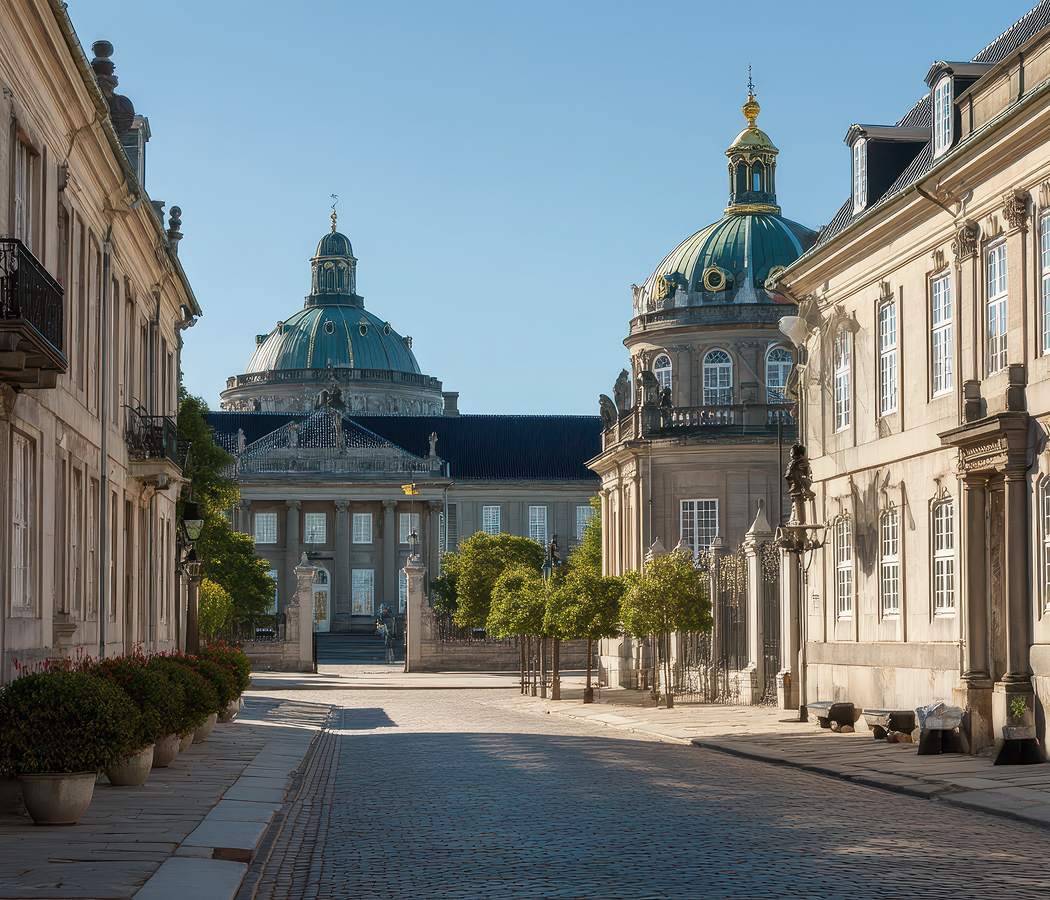
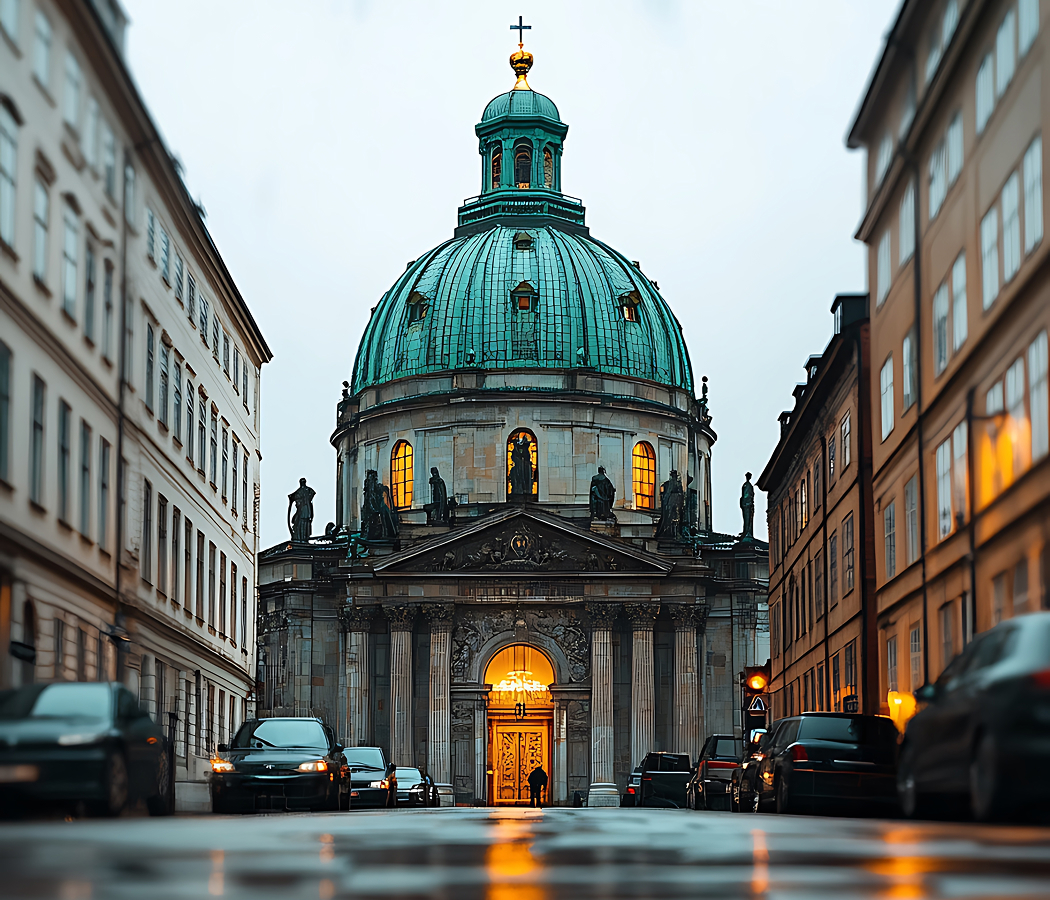
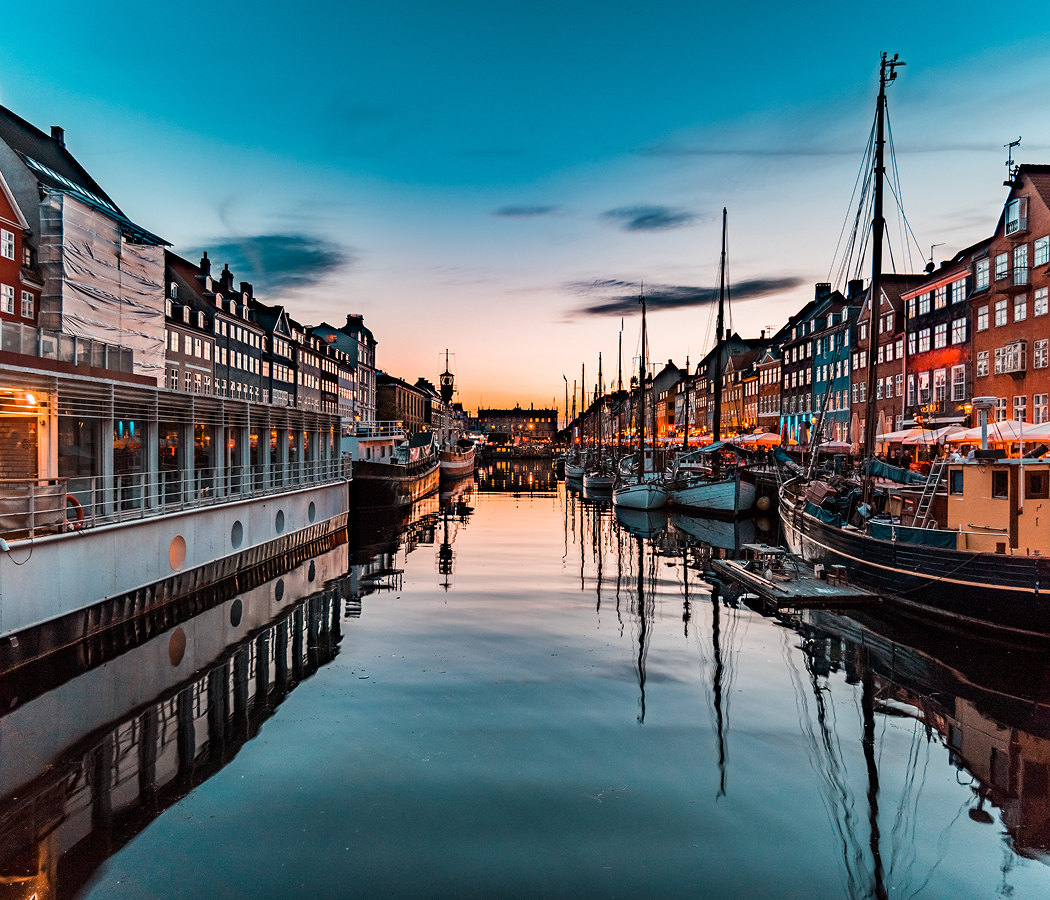
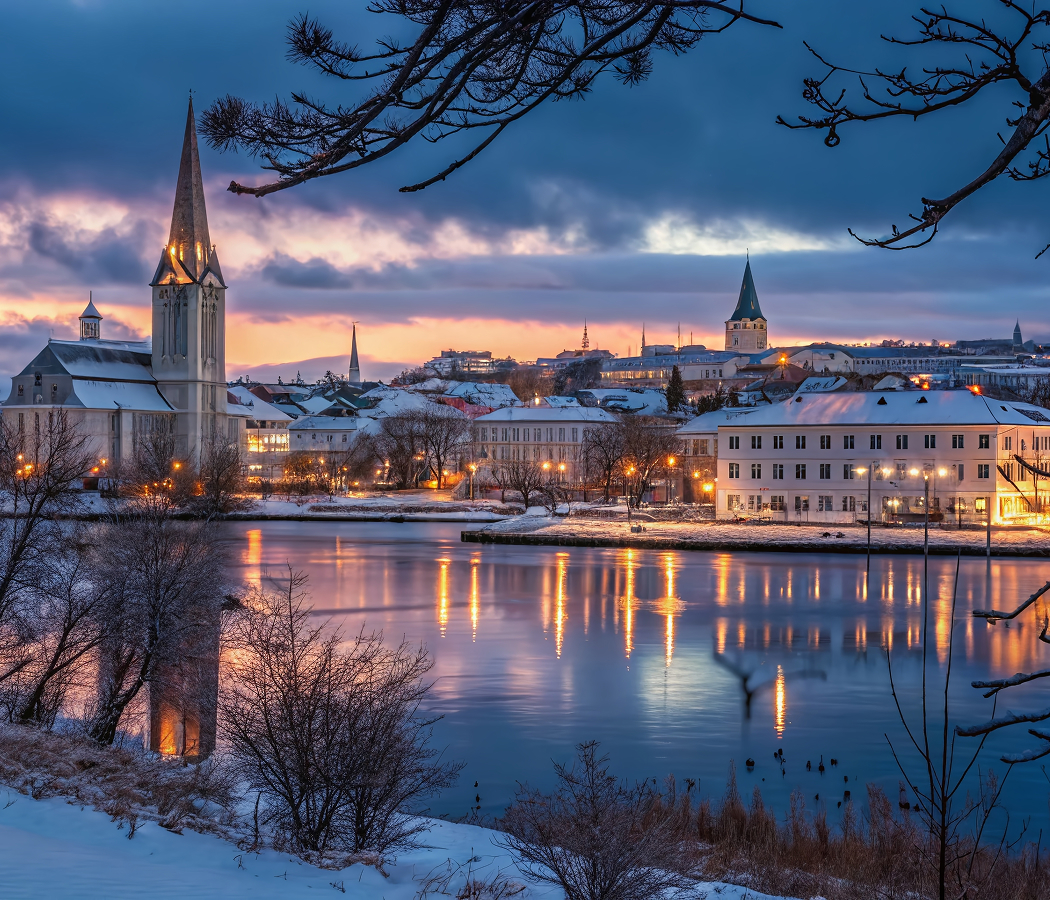
Vesterbro is a transformed railway district where industrial heritage, creative culture, and some of the city's most dynamic urban energy converge between the historic center and the western edge of Copenhagen alongside neighboring Frederiksberg.
Former warehouses, meatpacking facilities, and working-class apartment blocks now share streets with acclaimed restaurants, independent galleries, craft breweries, music venues, and design-forward cafés that have helped redefine the neighborhood over the past two decades. Cyclists stream through broad avenues once dominated by freight traffic. Courtyards hidden behind nineteenth-century facades reveal gardens, studios, and community spaces that embody Copenhagen's talent for reinvention. The district feels alive at every hour. Morning coffee crowds spill onto sidewalks near Copenhagen Central Station. Creative professionals gather in converted industrial buildings throughout the day. Evenings bring a steady migration toward bars, restaurants, and cultural venues that have established Vesterbro as one of the city's most influential neighborhoods. Every block reflects a remarkable evolution from gritty industrial quarter to global model of urban renewal. Vesterbro remains one of the clearest expressions of contemporary Copenhagen's creativity, confidence, and cultural vitality.
What defines Vesterbro.
Vesterbro is best known for being home to the Meatpacking District, a former industrial complex transformed into one of Scandinavia's most celebrated hubs for dining, nightlife, and creative culture.
Known locally as Kødbyen, the district originated as Copenhagen's centralized meat processing and wholesale distribution center, with much of its distinctive white modernist architecture dating to the early twentieth century. As industrial activity declined, the area underwent a remarkable transformation that preserved its architectural character while welcoming restaurants, galleries, design firms, creative studios, and cultural institutions. The redevelopment became an internationally recognized example of adaptive urban reuse, attracting visitors from around the world while helping redefine Vesterbro's identity. Today, the Meatpacking District serves as both a cultural landmark and a symbol of Copenhagen's ability to blend heritage preservation with contemporary innovation. Few neighborhoods in Europe demonstrate urban transformation as successfully or as visibly as Vesterbro.
How Vesterbro fits.
Vesterbro works as an exploration of the food, culture, and public spaces that have made the neighborhood one of Europe's most admired urban districts.
Begin at Kødbyen, where the neighborhood's defining story of industrial reinvention immediately comes into focus through its restaurants, galleries, and preserved architecture. Continue toward Tivoli Gardens, whose historic attractions, gardens, and cultural significance reveal another side of the district's relationship with entertainment and public life. From there, make your way to Sønder Boulevard, a beautifully redesigned urban promenade that showcases Copenhagen's internationally admired approach to public space and livability. Along the route, you'll encounter Copenhagen Central Station, Enghave Plads, Vega Concert Hall, independent design shops, and energetic café culture that rewards unhurried exploration. The progression moves naturally from industrial heritage to civic entertainment to contemporary urban design, revealing the forces that continue to shape the neighborhood. Vesterbro remains one of Europe's most compelling urban success stories, preserving its working-class roots while embracing a future defined by creativity, culture, and community.
Where your story begins.
Foresyte Travel reveals places that feel extraordinary long before you arrive.
Enjoy editorial crafted for luxury travelers.
Foresyte may earn a commission when you book.