Why 3rd Street matters.
3rd Street is a relaxed corridor where Miami Beach's Atlantic shoreline, Art Deco heritage, tropical streetscapes, and coastal recreation converge within one of South Beach's defining oceanfront districts.
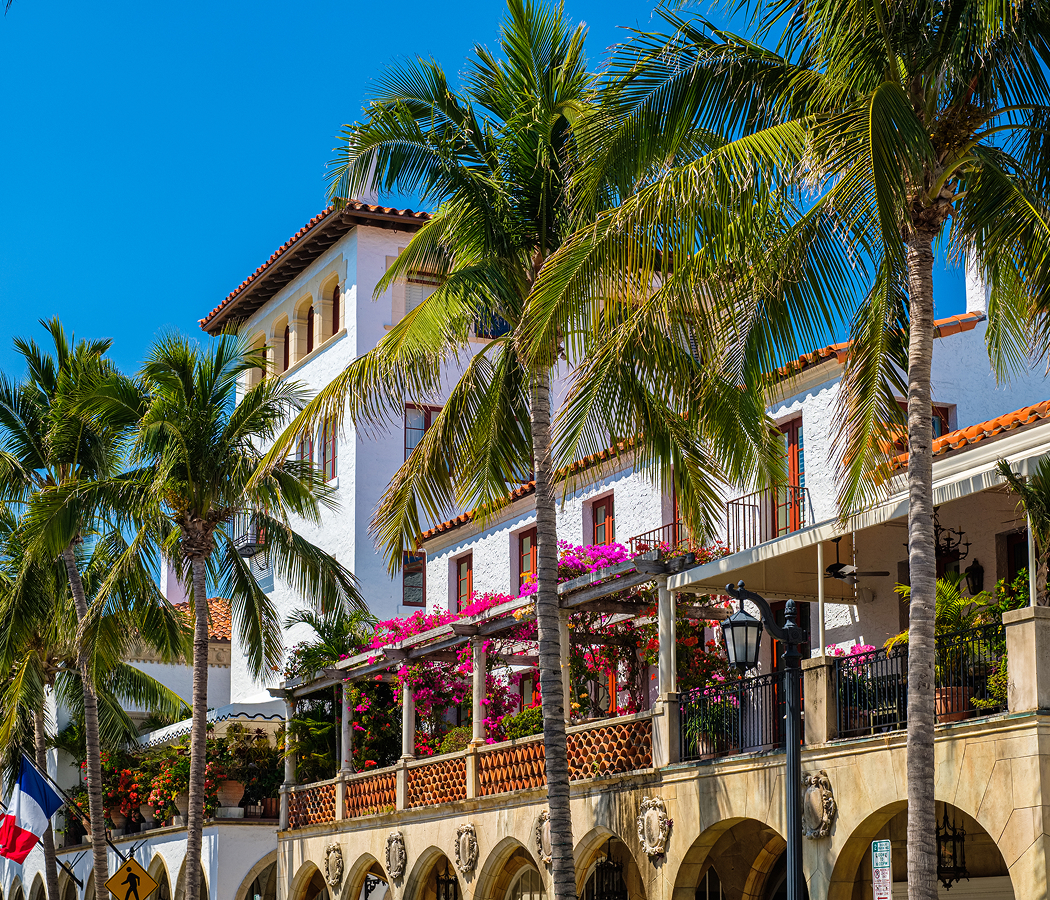
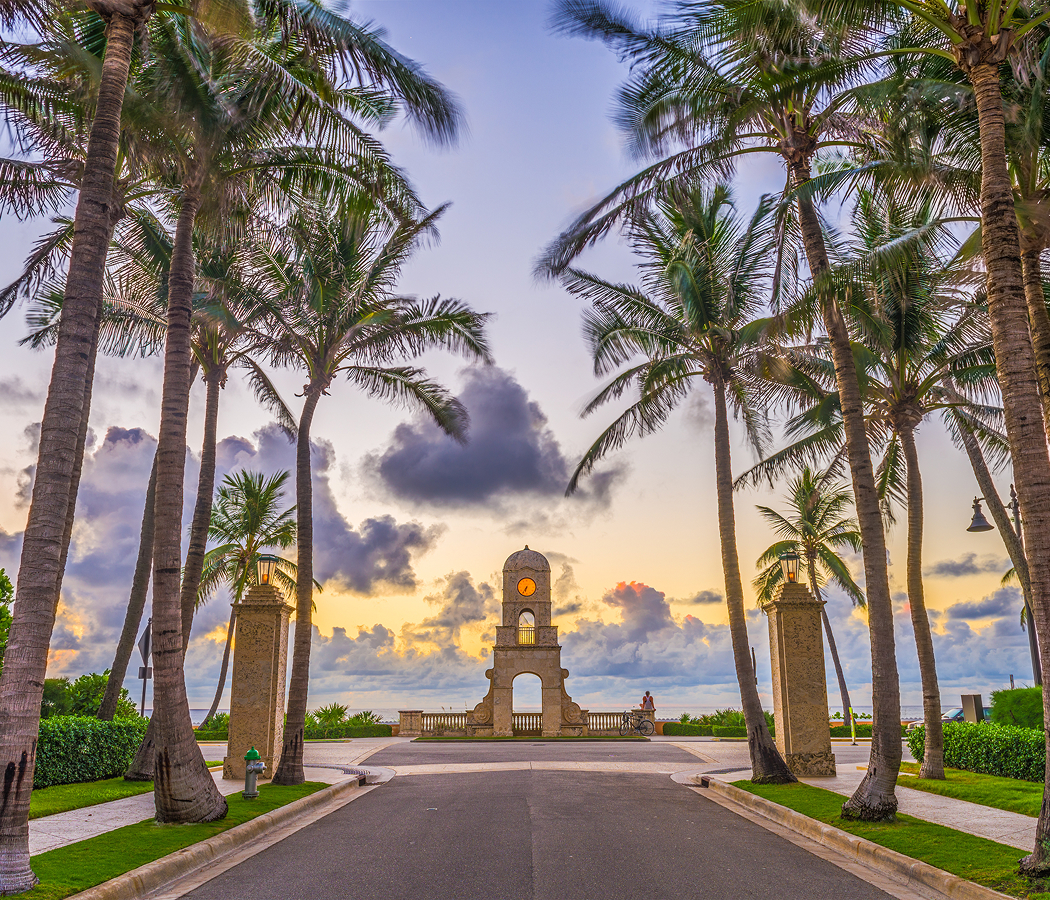
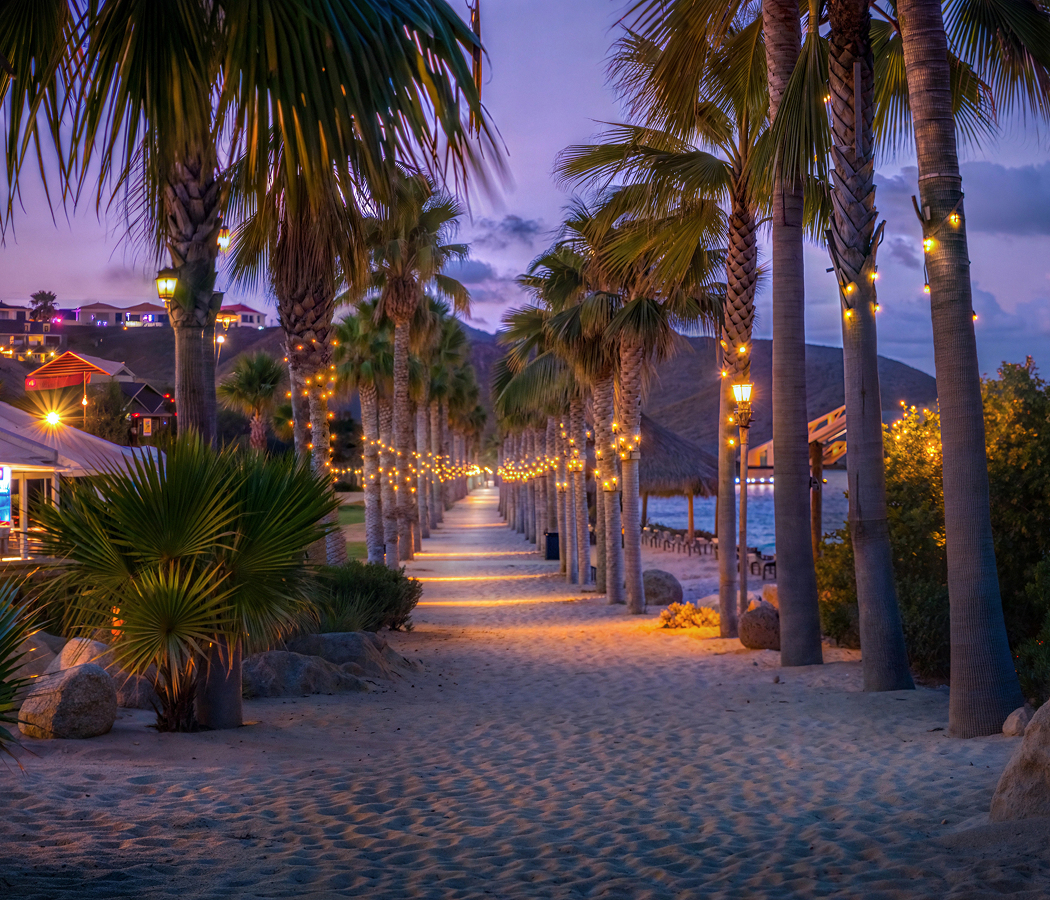
Running east from Washington Avenue to Ocean Drive and the Atlantic Ocean, the corridor links the commercial heart of South Beach with Lummus Park's palm-lined beachfront, creating a seamless transition between the city's historic urban fabric and its internationally recognized shoreline. Broad sidewalks, mature coconut palms, pastel architecture, and uninterrupted ocean vistas reinforce a setting shaped by both twentieth-century resort development and Miami Beach's enduring relationship with the Atlantic. Throughout the corridor, preserved architecture, public beachfront, and pedestrian-oriented design create an environment where coastal history and contemporary recreation remain closely intertwined. The result is an experience defined by architectural continuity, oceanfront character, and one of Miami Beach's most recognizable seaside corridors.
What you should know 3rd Street.
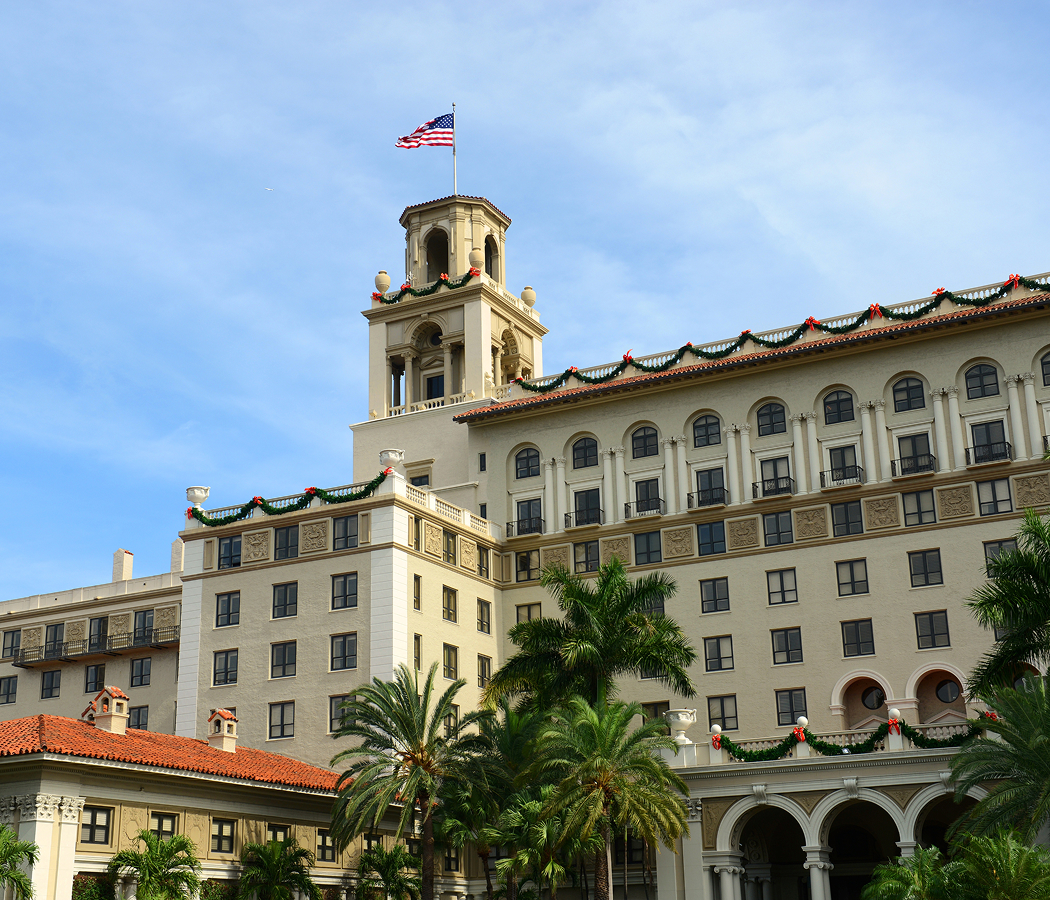
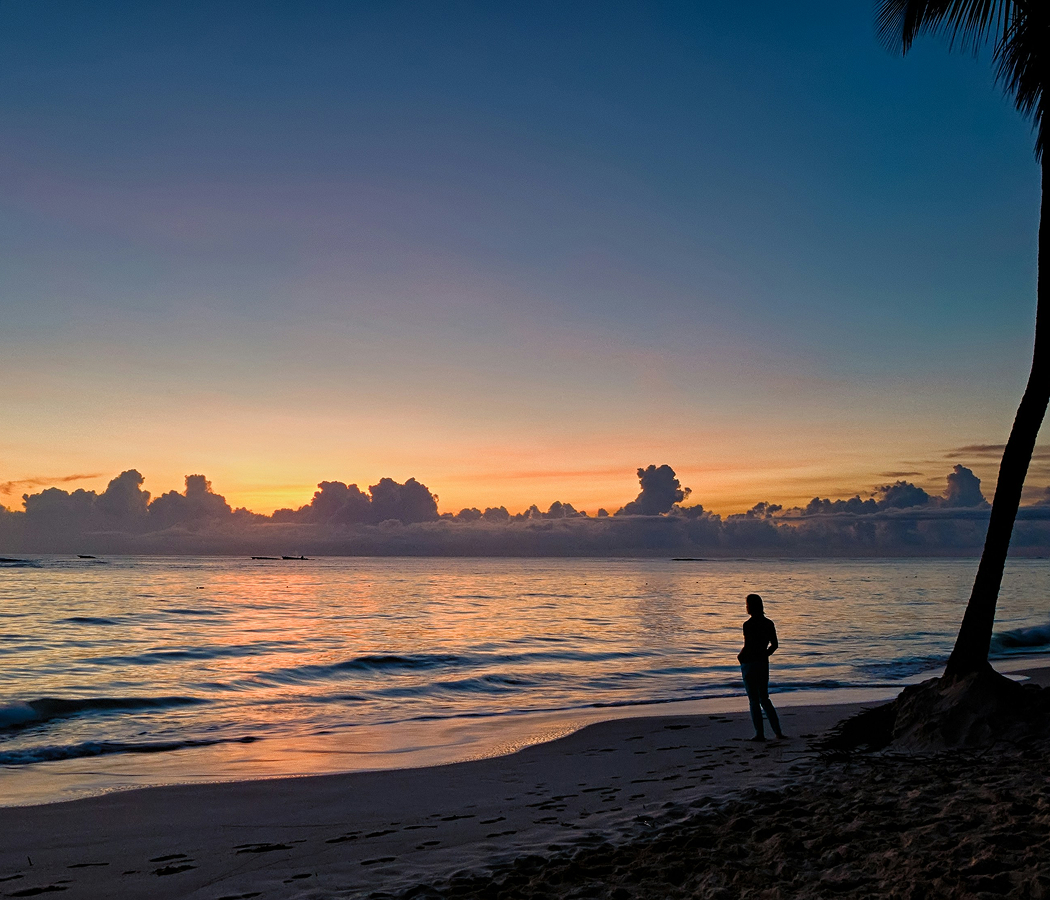
3rd Street is best known for terminating at the Atlantic Ocean within the Miami Beach Architectural District, listed on the National Register of Historic Places in 1979 and encompassing more than 800 contributing buildings representing one of the world's largest concentrations of Art Deco architecture. Development surrounding the corridor accelerated after Carl G. Fisher transformed Miami Beach into a planned oceanfront resort during the 1910s and 1920s, while successive building campaigns between the 1920s and 1940s introduced Art Deco, Streamline Moderne, and Mediterranean Revival hotels distinguished by smooth stucco façades, rounded corners, eyebrow overhangs, terrazzo floors, glass block, porthole windows, and prominent neon signage. The nearby Atlantic shoreline is continuously replenished through one of Florida's largest beach renourishment programs after severe erosion narrowed Miami Beach's beaches during the mid-twentieth century, preserving the wide sandy coastline that defines the corridor today. Coconut palms, sea oats, dune vegetation, laughing gulls, royal terns, brown pelicans, and native coastal plant communities continue contributing to an urban shoreline where engineered beaches remain integrated with South Florida's subtropical ecology.
Oceanfront hospitality along 3rd Street evolved alongside Miami Beach's emergence as an international winter resort, attracting architects including Henry Hohauser, L. Murray Dixon, and Albert Anis, whose buildings collectively established the streamlined architectural style now synonymous with South Beach. Preservation efforts led by the Miami Design Preservation League during the 1970s reversed decades of demolition by documenting, advocating for, and restoring many of the corridor's defining buildings before Art Deco architecture gained worldwide recognition. Original terrazzo pavements, decorative bas-reliefs, pastel color palettes, and stainless-steel detailing remain visible across the surrounding streetscape, illustrating how architectural craftsmanship became inseparable from Miami Beach's coastal identity. Together, these preserved architectural traditions, restoration initiatives, and enduring design elements demonstrate how 3rd Street continues reflecting the evolution of one of America's most influential twentieth-century resort landscapes.
How 3rd Street fits.
3rd Street works as an exploration of South Beach's coastal heritage, public shoreline, and architectural identity.
Begin at Lummus Park, where palm-lined pathways, beachfront promenades, and uninterrupted Atlantic views introduce the landscape that has defined South Beach for generations. Continue to Ocean Drive, whose celebrated collection of Art Deco hotels presents one of the world's most recognizable architectural streetscapes while illustrating the neighborhood's resort heritage. Conclude at South Pointe Park, where expansive views across Government Cut, Fisher Island, and the Atlantic Ocean provide a fitting finale celebrating the maritime setting that continues shaping the southern edge of Miami Beach. The progression moves naturally from public beachfront to architectural heritage before concluding with sweeping coastal geography, revealing how 3rd Street expresses the defining character of South Beach.
Where your story begins.
Foresyte Travel reveals places that feel extraordinary long before you arrive.
Enjoy editorial crafted for luxury travelers.
Foresyte may earn a commission when you book.