Why 8th Street matters.
8th Street is an animated corridor where Little Havana's Cuban heritage, immigrant traditions, neighborhood commerce, and cultural character define one of Miami's most celebrated urban streets.
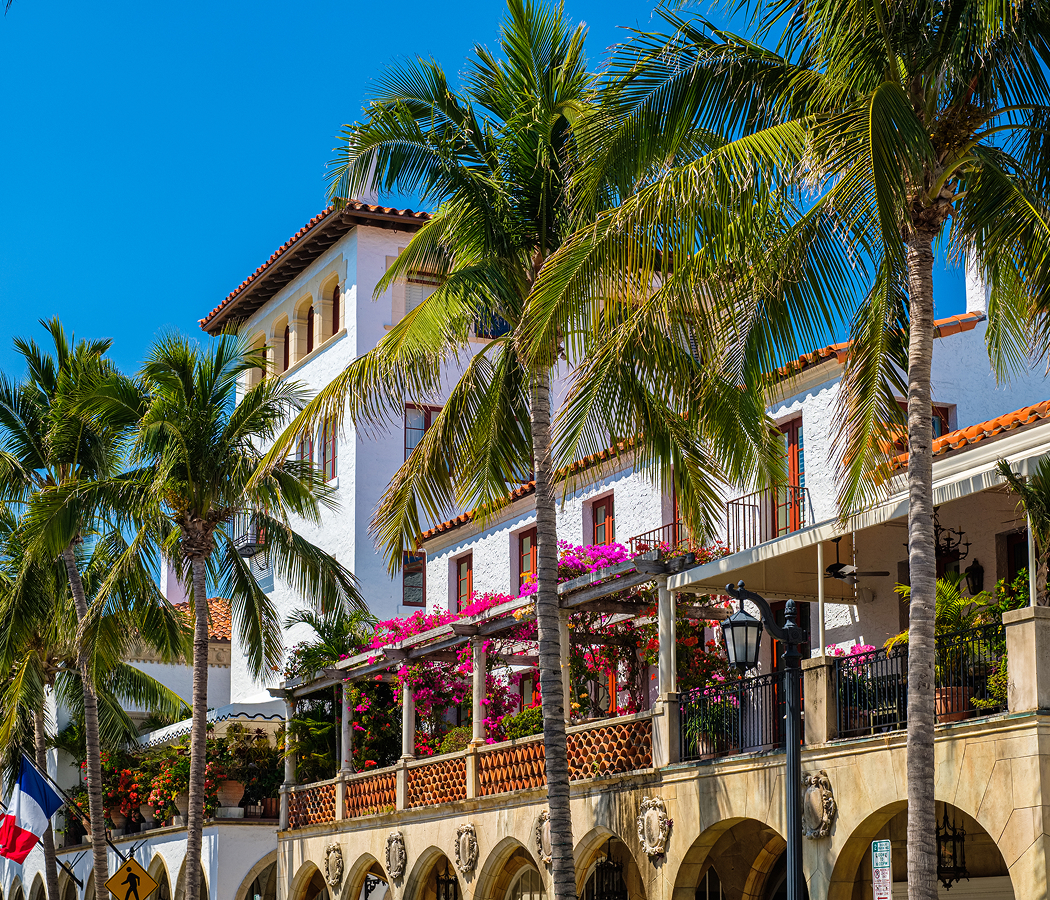
Running through Little Havana between East Little Havana and West Flagler, the corridor extends westward from Downtown through a continuous landscape of cafés, family-owned businesses, cultural institutions, neighborhood parks, and historic commercial blocks that collectively reflect more than a century of immigration and community life. Palm-lined sidewalks, colorful storefronts, public art, and active gathering spaces create a streetscape where longstanding traditions and contemporary Miami remain closely intertwined. Throughout the corridor, independent businesses, cultural organizations, and enduring neighborhood landmarks reinforce an environment shaped by entrepreneurship, resilience, and generations of cultural exchange. The result is an experience defined by energetic local character, rich heritage, and one of Miami's most recognizable corridors.
What you should know 8th Street.
8th Street is best known as Calle Ocho, the historic commercial spine of Little Havana that emerged following successive waves of Cuban immigration after the 1959 Cuban Revolution transformed the surrounding neighborhood into the cultural heart of the Cuban exile community in the United States. Originally designated as Southwest 8th Street, the corridor developed during Miami's early twentieth-century westward expansion before becoming an international symbol of Cuban America character through its concentration of family-owned businesses, cigar shops, cafés, theaters, galleries, and cultural organizations. The roadway forms part of State Road 90, extending across southern Florida from Miami to the Gulf Coast, while serving as one of Miami-Dade County's principal east-west arterial corridors linking Downtown with western communities. Annual events including Calle Ocho Music Festival, established in 1978 as part of Carnaval Miami, attract hundreds of thousands of participants and have grown into one of the world's largest celebrations of Latin culture. Mediterranean Revival storefronts, mid-century commercial buildings, decorative ceramic tilework, terrazzo entrances, reinforced concrete construction, royal palms, live oaks, and flowering tropical trees collectively document the corridor's architectural evolution and enduring subtropical identity.
Domino Park, formally Máximo Gómez Park, opened in 1976 as a dedicated gathering place where daily domino matches, chess games, and community conversations preserve traditions carried to Miami by Cuban immigrants while reinforcing the social character surrounding 8th Street. Cuban Memorial Boulevard, extending along portions of the corridor, incorporates monuments honoring Brigade 2506 veterans, Cuban independence leaders, and victims of the struggle for freedom, expanding the avenue's historical narrative beyond its commercial significance. Tower Theater, opened in 1926, became one of the first cinemas in the United States to regularly screen Spanish-language films after the neighborhood's demographic transformation, illustrating how cultural institutions adapted alongside the evolving community. Together, these civic traditions, commemorative landscapes, and enduring cultural institutions demonstrate how 8th Street developed into a corridor where immigration, public memory, and neighborhood character remain inseparable.
How 8th Street fits.
8th Street works as an exploration of Little Havana's culture, history, and artistic traditions.
Begin at Cubaocho Museum & Performing Arts Center, where Cuban art, live music, and historical collections introduce the neighborhood's remarkable cultural legacy before following 8th Street through Little Havana. Continue to Ball & Chain, whose restored venue, live Afro-Cuban music, and longstanding entertainment tradition broaden the appreciation for the corridor's enduring musical identity. Conclude at Calle Ocho Walk of Fame, where commemorative stars honoring influential Latin American artists, musicians, and cultural figures provide the culminating reward by celebrating the people whose achievements continue shaping Little Havana's international reputation. The progression moves naturally from fine art through living musical traditions before concluding with a tribute to Latin cultural achievement, revealing how 8th Street connects history, creativity, and community into one enduring Miami experience.
Where your story begins.
Foresyte Travel reveals places that feel extraordinary long before you arrive.
Enjoy editorial crafted for luxury travelers.
Foresyte may earn a commission when you book.