Why you should experience the National Museum of Denmark in Copenhagen.
In the historic center of Copenhagen, Denmark, the National Museum of Denmark stands as a living chronicle of humanity, a place where ancient relics and modern stories merge to tell the sweeping saga of a nation and its people.
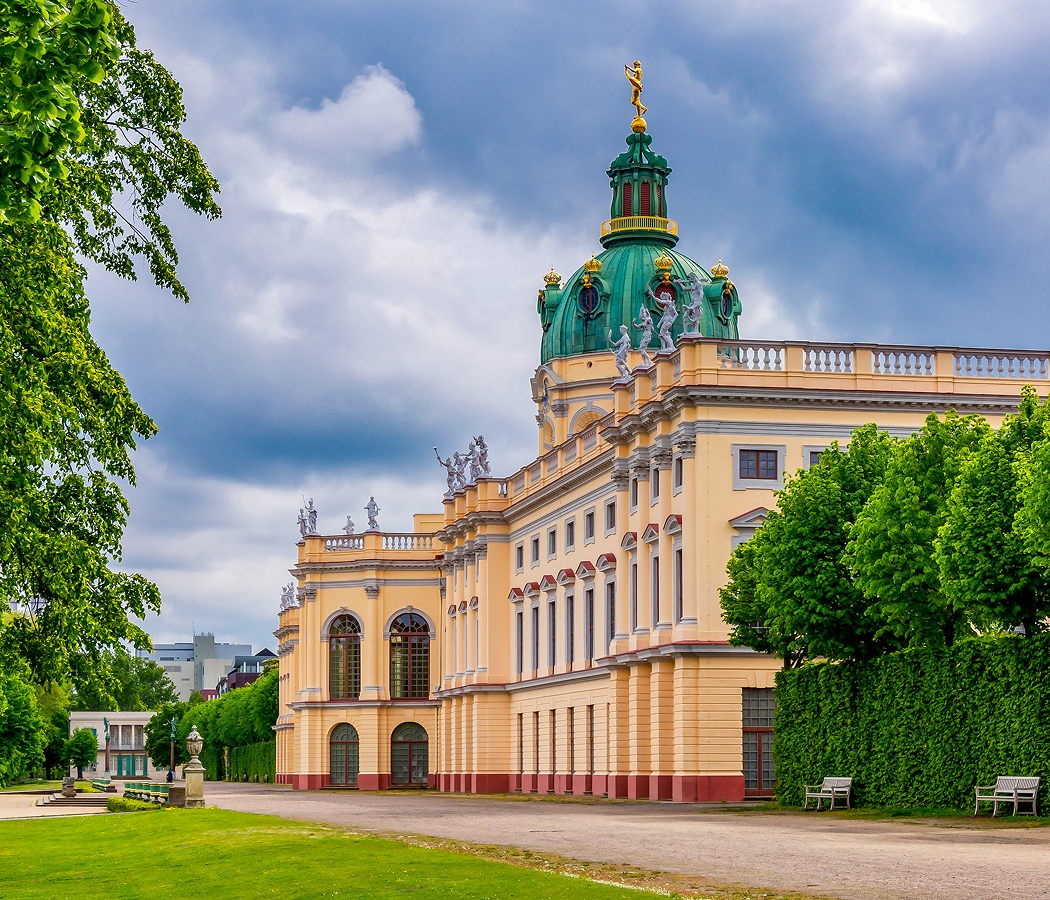
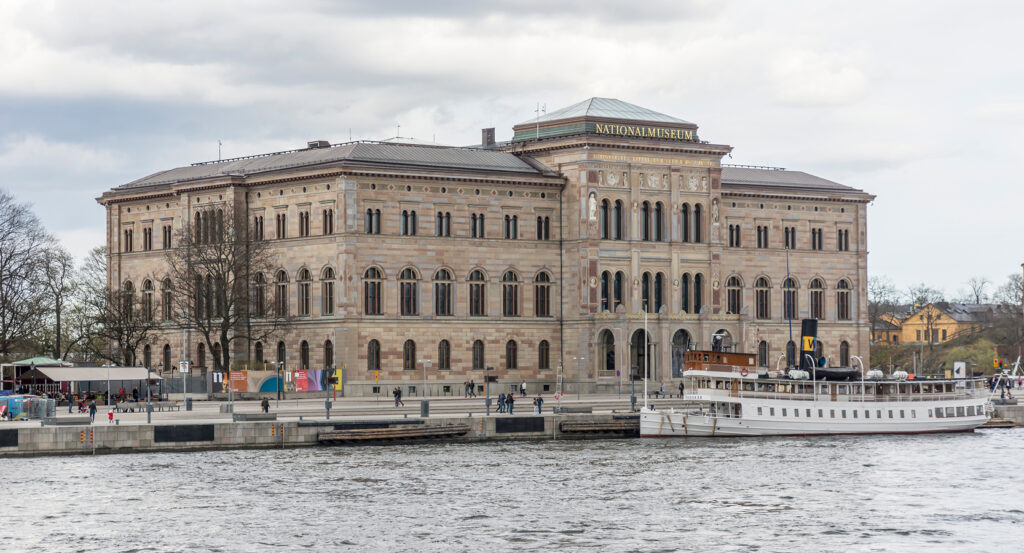
Housed within the grand Prince’s Palace, an 18th-century Rococo masterpiece near Christiansborg Palace, the museum’s elegant exterior gives little hint of the vast worlds contained within. Step through its doors, and you are immediately immersed in millennia of history, from the earliest Stone Age settlements of Scandinavia to the global currents that have shaped modern Denmark. The galleries are arranged like a narrative unfolding through time: amber amulets and Viking swords gleam beneath soft light, medieval relics whisper of kings and conquests, and ethnographic treasures from across the world invite reflection on humanity’s shared journey. But what makes the National Museum extraordinary is its ability to balance intimacy and scale, each exhibit feels both personal and monumental. Here, you don’t just observe artifacts; you step into the stories they carry. The creak of reconstructed Viking ships, the glitter of Bronze Age horns, the quiet glow of runestones, all evoke the pulse of civilizations long past. Whether you’re a lover of history, mythology, or design, the National Museum of Denmark feels like time travel made tangible, an experience that deepens your understanding not just of Denmark, but of the human story itself.
What you didn’t know about the National Museum of Denmark.
The National Museum of Denmark is far more than a collection of objects, it’s a vast network of research, preservation, and storytelling that anchors Denmark’s cultural identity.
Its roots stretch back to 1807, when the Royal Commission for the Preservation of Antiquities was established to safeguard the nation’s growing archaeological discoveries. By 1892, the collection found its permanent home in the Prince’s Palace, a building once occupied by Frederik V’s son. Over time, the museum expanded its scope beyond national borders, embracing a global perspective that explores how Denmark fits into, and has influenced, world history. Few visitors realize just how vast its holdings are: over 14 million artifacts spanning every continent. Among its most famous treasures are the Trundholm Sun Chariot, a Bronze Age masterpiece symbolizing cosmic order; the Gundestrup Cauldron, a silver vessel depicting Celtic gods and rituals; and the Egtved Girl, the remarkably preserved remains of a Bronze Age teenager buried in an oak coffin nearly 3,400 years ago. These icons of Danish prehistory are displayed with reverence and cutting-edge design, surrounded by immersive lighting and soundscapes that transport visitors to ancient landscapes. Beyond its main exhibitions, the museum operates numerous cultural branches, from the Open Air Museum and Frederiksborg Castle to the Museum of Danish Resistance. Each plays a vital role in exploring Denmark’s multifaceted identity: seafaring nation, colonial power, and modern democracy. Behind the scenes, teams of archaeologists, linguists, and historians continually update exhibits with the latest discoveries, ensuring that the story of Denmark, and by extension, humanity, never stops evolving.
How to fold the National Museum of Denmark into your trip.
Visiting the National Museum of Denmark is one of Copenhagen’s most rewarding cultural experiences, a journey through time that unfolds with elegance and depth.
Plan for at least three hours, though history enthusiasts could easily spend an entire day wandering its galleries. Begin with the Prehistoric Denmark exhibit, where you’ll encounter the Stone, Bronze, and Iron Ages through exquisitely preserved tools, jewelry, and burial relics. Continue into the Viking Age Gallery, where swords, longships, and rune stones paint a vivid portrait of Denmark’s legendary seafarers. Don’t miss the Medieval and Renaissance sections, filled with royal tapestries, church art, and the delicate craftsmanship that defined the country’s golden centuries. For a broader perspective, explore the World Cultures exhibition, a fascinating collection of artifacts from Asia, Africa, and the Americas that reflects centuries of exploration, trade, and cultural exchange. Families will find joy in the Children’s Museum, where kids can climb aboard a Viking ship or try their hand at medieval games. Between exhibits, pause at the museum café, where the scent of fresh Danish pastries mingles with conversation in a sunlit courtyard that once hosted royal gatherings. The museum’s central location makes it an easy stop on a day exploring Christiansborg Palace, Tivoli Gardens, or the Ny Carlsberg Glyptotek, all just a short walk away. For a particularly meaningful visit, go early in the morning or near closing, when the galleries quiet and the past seems to whisper around you. As you step back into the streets of Copenhagen, the city feels different, richer, more layered, as though you’re walking through a living continuation of the stories preserved within the National Museum of Denmark.
Hear it from the Foresyte community.
You don’t come here to memorize dates. You come here to wander, get lost, and maybe imagine what you’d look like in a crown. It’s spectacle worth every minute.
Where meaningful travel begins.
Start your journey with Foresyte, where the planning is part of the magic.
Discover the experiences that matter most.