Why you should experience Haji Lane in Singapore.
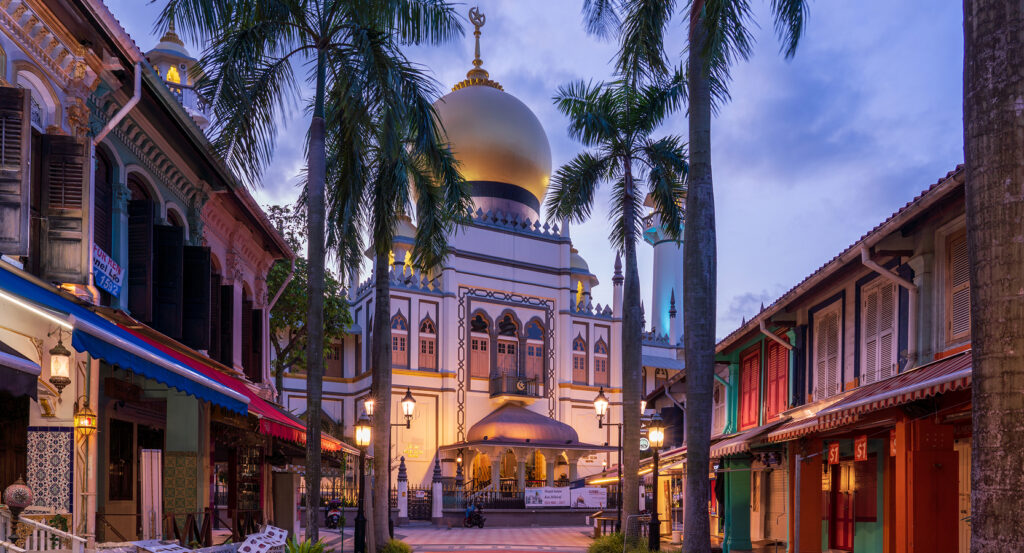
Wedged between the ochre walls and blue shutters of Kampong Gelam, Haji Lane pulses like a heartbeat set to music, a narrow corridor where art, fashion, and rebellion blur into one intoxicating experience.
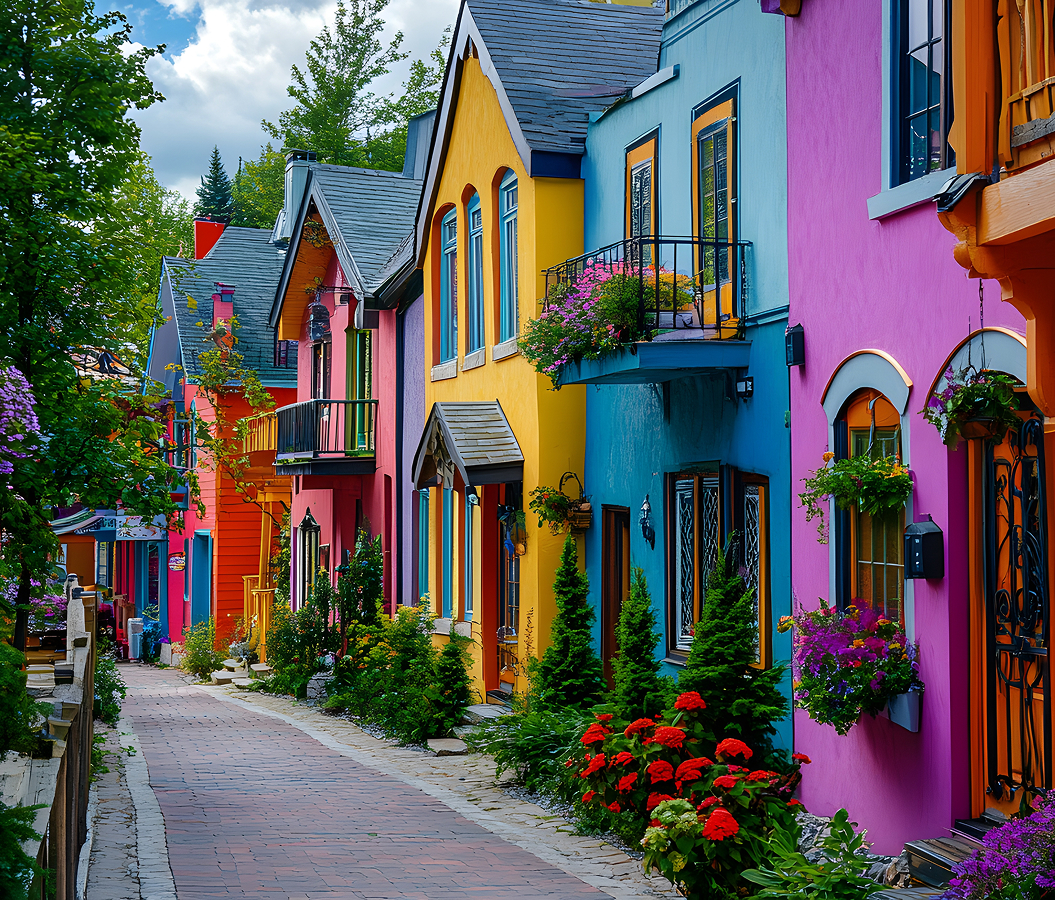
Its walls are alive with murals: kaleidoscopic bursts of color, abstract portraits, and political whispers rendered in spray paint. The air smells faintly of espresso and street paint, punctuated by the laughter of café-goers spilling out onto the pavement. Vintage boutiques jostle beside indie fashion houses, their racks filled with linen jumpsuits, handmade jewelry, and one-of-a-kind prints. Overhead, strings of fairy lights crisscross like constellations, illuminating the evening crowd, a mosaic of locals, artists, and travelers sipping craft beers from mismatched glasses. Once a passage for pilgrims bound for Mecca, Haji Lane now feels like the pilgrimage itself, to creativity, expression, and the joy of the unplanned. Every wall here speaks, every doorway tempts, every turn hums with the feeling that something is happening, and somehow, you're part of it.
What you didn't know about Haji Lane.
What most travelers never realize is that Haji Lane was born from reinvention, proof that heritage and hip can coexist.
In the early 20th century, this narrow lane was lined with shophouses that housed pilgrims preparing for the Hajj, hence its name. By the 1970s, many had fallen into disrepair, abandoned as the city modernized. Yet in the early 2000s, artists and entrepreneurs reclaimed the forgotten lane, turning decay into canvas. The facades were repainted, the interiors repurposed, and the spirit of community revived through creativity. Today, each mural adds another layer to the district's palimpsest, Arabic motifs beside pop art, calligraphy beside graffiti, all merging into a living museum of self-expression. The shops, often run by young Singaporean designers, embody that same hybridity: Malay textiles reimagined as contemporary fashion, old Peranakan tiles repurposed as jewelry, nostalgia spun into something defiantly new. Beneath the bohemian veneer, Haji Lane tells a deeper story, of a city learning how to honor its past not through preservation alone, but through play.
How to fold Haji Lane into your trip.
To fold Haji Lane into your Singapore journey, come not to consume, but to feel.
Start in the late afternoon, when sunlight turns the murals molten and shadows stretch like brushstrokes. Wander slowly; no one hurries here. Step into Grammah, Soon Lee, or CRAFT for indie designs you won't find twice, or duck into a vintage record store where jazz hums from a turntable older than the country itself. Pause for a flat white at Piedra Negra or a mojito at Bar Stories, where the bartenders craft drinks like performance art, spontaneous, personal, a little bit magic. As twilight deepens, music spills from open doors, lo-fi beats, acoustic guitars, sometimes even a saxophone warming the night. Sit outside and watch as the lane glows under neon light, murals now pulsing with shadow and color. When you finally wander out toward Bali Lane or Arab Street, the world will feel louder, faster, but you'll carry the hum of Haji Lane with you: that rare, golden balance between chaos and calm, art and air, moment and memory.
Hear it from the Foresyte community.
Just enough life around you not to be overwhelming. Right pace.
Where your story begins.
Start your planning journey with Foresyte Travel.
Experience immersive stories crafted for luxury travelers.