Why you should experience Front Palace in Bangkok, Thailand.
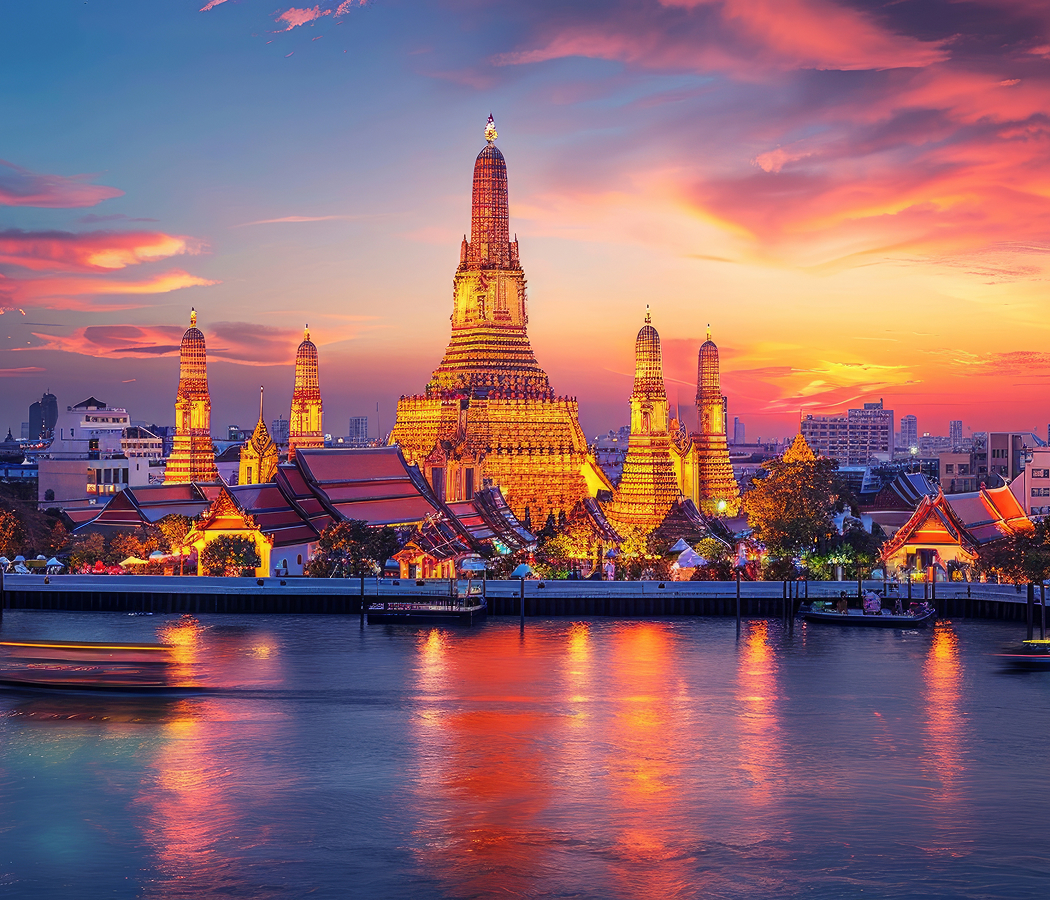
Hidden in plain sight along the historic Rattanakosin quarter, the Wang Na Palace, or Front Palace, captures the splendor of old Siam before Bangkok became a metropolis of glass and steel.
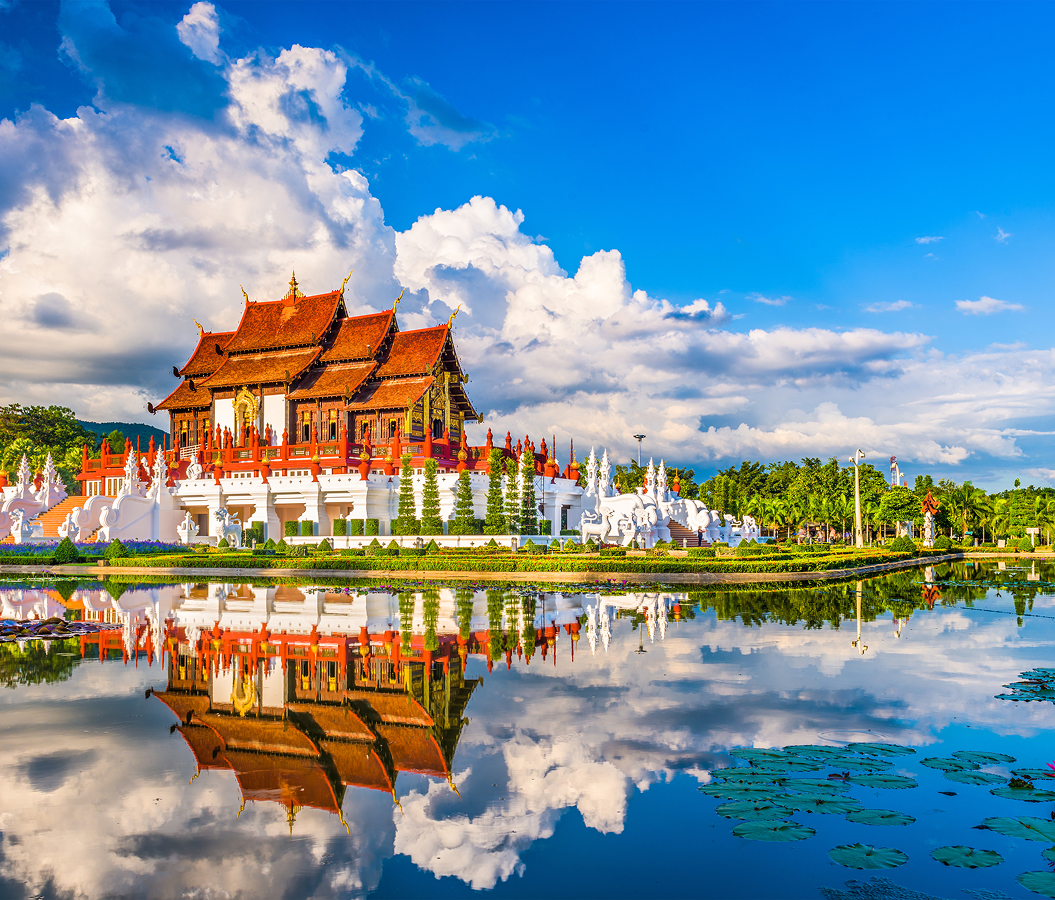
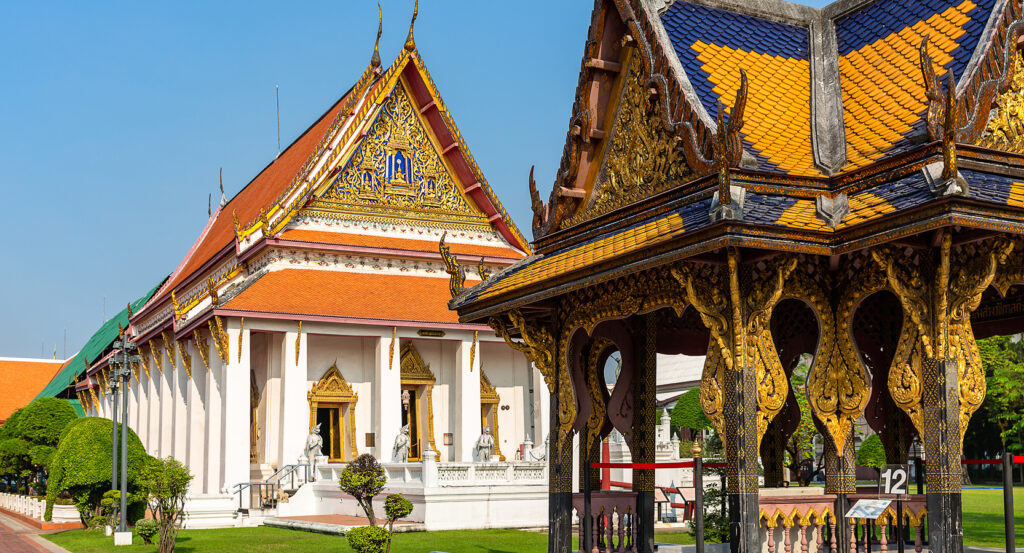
Once the residence of the Uparaja, or vice-king, the palace was second only to the Grand Palace in majesty and power, serving as the administrative and ceremonial counterpart to the royal court. Today, much of it survives within the National Museum Bangkok, its vast courtyards, teak halls, and marble shrines still resonating with the grace of a vanished world. The architecture feels almost theatrical, sweeping verandas, tiered roofs gilded with mirrored glass, and doorways flanked by guardian demons whose painted faces seem frozen mid-chant. Yet for all its grandeur, there's an intimacy to Wang Na that sets it apart: the hush of wind through ancient courtyards, the way the late-afternoon sun filters through red lacquered shutters, gilding the air itself. Walking its grounds, you sense not only the echoes of royalty but the living pulse of history, a discussion between power and peace, ritual and reflection, art and devotion.
What you should know about Front Palace.
What most travelers never realize is that Wang Na Palace is one of Bangkok's founding blueprints, a physical manifestation of how early Rattanakosin envisioned balance between monarchy and governance, art and authority.
Constructed in 1782 under King Rama I, the same year Bangkok was established as the capital, Wang Na symbolized harmony between ruler and heir, a dual system inherited from Ayutthaya. Its layout mirrored the Grand Palace to the south, symmetrical, deliberate, and spiritually aligned along the Chao Phraya River. Inside, royal apartments gave way to reception halls, prayer rooms, and military barracks, all infused with lavish ornamentation: gold-leaf ceilings, carved wooden panels, and murals depicting celestial guardians and Buddhist cosmology. The palace's resident vice-kings were often scholars, patrons of the arts, and defenders of the realm; their court became a center of cultural renaissance that nurtured early Thai literature, music, and mural painting. When the title of Uparaja was abolished in the late 19th century, the palace transformed, first into a government seat, and later into what is now the Bangkok National Museum. Yet even stripped of hierarchy, Wang Na retains its authority. Every lintel, fresco, and lotus-shaped spire seems to breathe continuity, the assurance that beauty, once consecrated, never dies.
How to fold Front Palace into your trip.
To fold Wang Na Palace into your Bangkok journey, enter not as a tourist, but as a reader stepping into a living manuscript.
Begin at the museum's main gate on Na Phra That Road, where the palace façade still gleams beneath layers of white plaster and gold. Wander through the courtyards at your own rhythm, past the Buddhaisawan Chapel, where the sacred Phra Buddha Sihing sits bathed in quiet light, and into the royal audience halls lined with teak pillars and frescoes of mythic wars. Pause to study the murals: they are not mere decoration, but history painted in metaphor, stories of kingship, virtue, and transcendence. Step into the shaded cloisters, where the air grows cooler and the scent of old wood replaces the city's heat. Listen for the faint echo of your footsteps; this was once the sound of ceremony itself. Before leaving, walk the perimeter garden and look back toward the palace roofs rising in perfect rhythm, each gable a verse, each finial a prayer. The Wang Na Palace is not simply an artifact of monarchy; it's Bangkok's first heartbeat, still steady, still regal, still whispering the poetry of beginnings.
Where your story begins.
Foresyte Travel reveals places that feel extraordinary long before you arrive.
Experience premium editorial crafted for luxury travelers.