Why you should experience Shinta Mani Angkor in Siem Reap, Cambodia.
Shinta Mani Angkor is where the spirit of Angkor breathes through every carved line, every flicker of lantern light, every brush of warm air moving through palm-shaded courtyards, where design, soul, and quiet luxury fuse into one of the most intimate, resonant hotel experiences in all of Cambodia.
Set in the leafy French Quarter beneath canopies of frangipani and flame trees, Shinta Mani Angkor unfolds like a quiet architectural poem crafted by Bill Bensley, a sanctuary of black-and-white geometry, sculptural stonework, lush greenery, and hidden courtyards that feel at once glamorous and deeply grounded. The design language is unmistakable: bold, modern angles softened by Khmer symbols, dramatic charcoal tones contrasted with glowing white, carved reliefs inspired by Angkorian art, and water features that bring constant movement and reflection into the space. Suites and rooms are refined, moody, soothing, a symphony of dark timber, crisp linens, hand-carved headboards, silk cushions, oversized windows, terraces framed by palms, and a blend of shadow and filtered light that gives each space a cinematic quality. Bathrooms feel spa-like and sensual, with deep soaking tubs, rainfall showers, natural stone finishes, and lighting that wraps the space in quiet warmth. The pool, framed by black slate and tropical foliage, is one of Siem Reap's most atmospheric, a cool, shimmering oasis hidden between palm clusters and sandstone sculptures. It's the kind of pool where afternoons stretch into a slow, dreamlike drift. Dining at Kroya is an experience shaped by artistry and nostalgia: tasting menus inspired by traditional Khmer recipes, reinterpretations of ancient dishes, fragrant soups, aromatic curries, jungle herbs, river fish, seasonal produce, and beautifully plated creations that feel both rooted and modern. Breakfast becomes a slow indulgence, tropical fruit, pastries, rice porridge, eggs, fresh juices, Cambodian coffee, served in a space shaped by open-air breezes and gentle morning light. The bar is intimate and sultry, with low lighting, handcrafted cocktails, and that signature Bill Bensley flair that makes every corner feel curated. But the soul of Shinta Mani Angkor lies in its humanitarian mission, every stay directly supports the Shinta Mani Foundation, funding healthcare, clean water, education, and community development for local families. The staff radiate warmth, pride, and sincerity because their work is woven into a greater purpose, hospitality here is not performative but deeply human. Shinta Mani Angkor is stylish, artful, soulful, philanthropic, serene, romantic, and ideal for travelers who want a hotel experience that feels both emotionally rich and creatively alive.
What you did not know about Shinta Mani Angkor.
Shinta Mani Angkor is not simply a boutique hotel, it is a living intersection of architecture, philanthropy, cultural preservation, and spiritual geography, each layer shaping the experience in ways guests often feel before they understand.
The land beneath the hotel sits along one of Siem Reap's historical ceremonial axes, paths used by monks traveling between pagodas, ancient water reservoirs, and early village settlements. This subtle spiritual current contributes to the uncanny calm that settles over the property, especially in early morning and late evening. The buildings are part of a visionary collaboration between architect Bill Bensley and the Shinta Mani Foundation, intentionally designed to channel revenue directly into community uplift. Every room booked helps fund wells, school programs, small-business grants, medical care, and housing for families in need. This integration of design and humanitarian work is woven into the property's DNA. Many of the hotel's iconic artistic elements, the black-and-white palette, the carved Khmer panels, the symmetrical courtyard lines, draw from the libraries of Angkor's temple art. Even the shadows cast by certain structures echo the angular reliefs found on temple walls. Bensley designed the property around water and symmetry, aligning features to mimic the balance and flow found in ancient Angkorian architecture, where water represented life, purity, and spiritual equilibrium. Much of the furniture and textile work is done by Cambodian artisans trained through the foundation or through local craft cooperatives dedicated to reviving techniques lost during the Khmer Rouge era. Silk weaving, lacquerwork, metal carving, clay ceramics, all these crafts represent cultural memory preserved through intentional collaboration. The landscaping incorporates native plants once cultivated near Angkor temples: lotus, frangipani, heliconia, bamboo, jasmine, red ginger, banana palms, and homegrown herbs used in both cuisine and wellness treatments. These species were chosen not for decoration but for symbolic and ecological significance, mirroring ancient Khmer gardening traditions. The spa treatments are rooted in pre-Angkorian healing rituals using herbs like lemongrass, ginger, kaffir lime, galangal, palm sugar, and coconut, ingredients tied to cleansing, grounding, and renewal. Even the quiet hum that defines the property is the result of architectural intent: thick walls, cleverly placed greenery, and water features create a bowl of silence shielding the hotel from the outside world. Shinta Mani Angkor is a rarity, a luxury hotel that is equally an art installation, a cultural preservation project, and a philanthropic engine serving the community around it.
How to fold Shinta Mani Angkor into your trip.
Shinta Mani Angkor becomes the design-rich, spiritually attuned, community-rooted core of your Siem Reap journey, a place where mornings unfold in temple light, afternoons drift into cool, shaded stillness, and evenings glow beneath lanterns and carved stone.
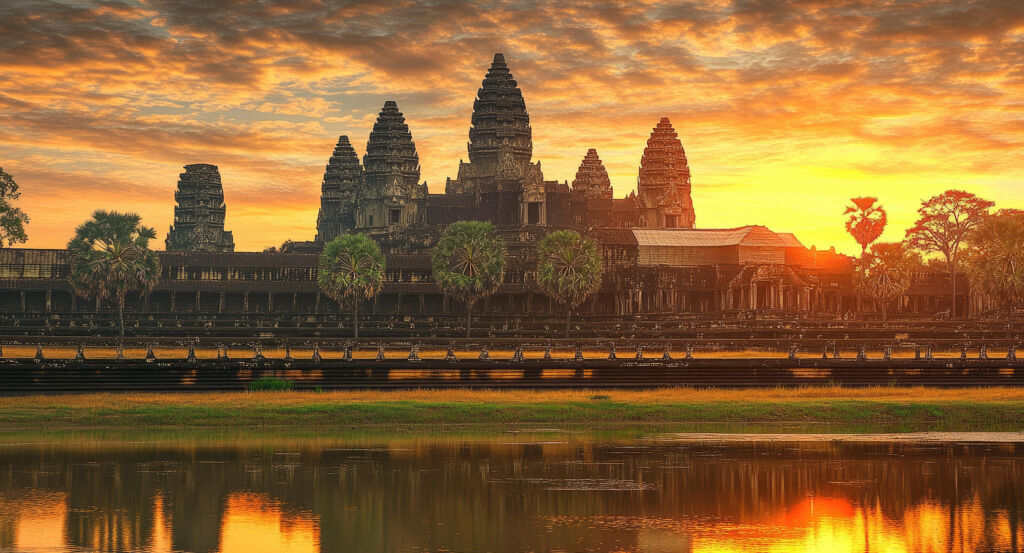
Begin your day with an early breakfast before heading to Angkor Wat or Bayon with a private guide. Let sunrise wash over the temples as monks chant somewhere in the distance and warm light spills across stone reliefs. After exploring Angkor's sacred geometry, Ta Prohm wrapped in roots, Preah Khan's long corridors, Ta Nei's quiet corners, return to Shinta Mani for a late-morning swim in the shadowed pool. Order a cool drink beneath the palms and let the heat dissolve into slow, weightless relaxation. Spend early afternoon exploring Siem Reap's boutiques and galleries, many of which feature artists and craftspeople partnered with the Shinta Mani Foundation. Stop for coffee or fresh juice in the French Quarter before returning to the hotel for a massage rooted in Khmer healing tradition, warm oils, herbal compresses, rhythmic pressure, and soft scents of lemongrass and jasmine. As golden hour arrives, wander through the hotel's courtyard gardens or sip a cocktail at the bar while warm light filters through palm leaves and geometric shadows. For dinner, indulge in a tasting menu at Kroya, dishes layered with history, technique, local flavors, and contemporary interpretation. Afterward, stroll through the quiet nighttime streets of the French Quarter or retreat to your balcony, listening to the distant hum of Siem Reap settling into darkness. End your evening with a bath or a night swim, wrapped in the cool hush that defines the entire estate. Fall asleep in soft linens, the air warm, the room dark, the atmosphere cocooned in the kind of stillness that feels almost sacred. Shinta Mani Angkor becomes not just a hotel stay, but the resonant, aesthetic, community-rooted anchor of your entire Angkor experience.
Where your story begins.
Foresyte Travel reveals places that feel extraordinary long before you arrive.
Experience premium editorial crafted for luxury travelers.