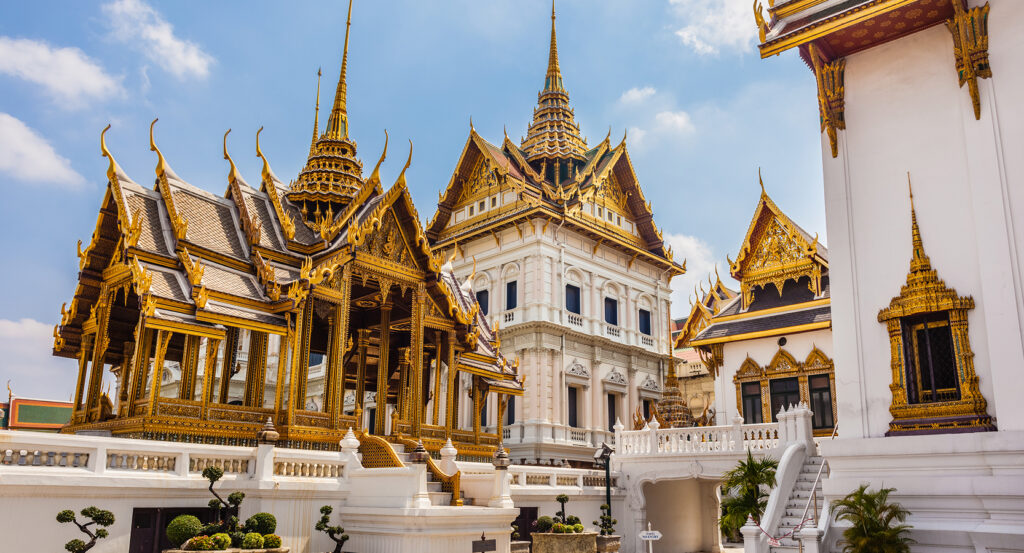
Why you should experience Abhisek Dusit Throne Hall in Bangkok, Thailand.
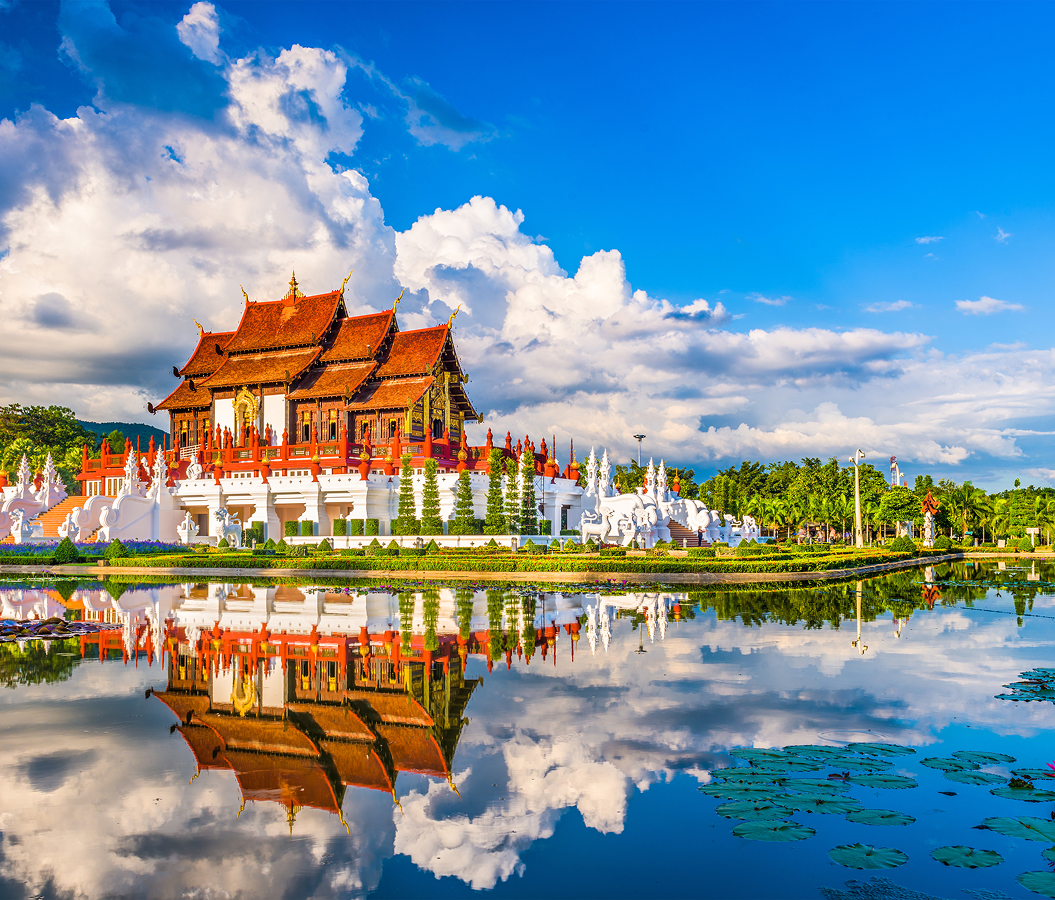
Nestled within the tranquil expanse of Dusit Palace glows like a jewel of polished teak and light, smaller than its marble counterpart, the Ananta Samakhom, yet every bit as regal in spirit.
Built in 1904 during the reign of King Chulalongkorn (Rama V), the hall was conceived as both royal reception chamber and showcase of Siam's emerging artistry. From afar, its elongated silhouette and gabled rooflines evoke the elegance of Thai architecture; up close, it reveals the intricate soul of the nation's decorative genius. Golden teak panels shimmer beneath layers of lacquer, and the lattice windows cast patterned shadows across the marble floor like woven silk. The blend of Victorian and traditional Thai motifs, pointed arches softened by floral carvings, rose windows reframed with lotus petals, creates a harmony that feels intimate. Sunlight moves tenderly through its halls, gilding the chandeliers, igniting the gold stencils that adorn every beam. Step inside, and you feel less like a visitor and more like a confidant of the past, surrounded by art, diplomacy, and the quiet hum of modern Siam finding its voice.
What you didn’t know about Abhisek Dusit Throne Hall.
What most travelers never realize is that Abhisek Dusit Throne Hall is one of the earliest expressions of Thai modernism, a bridge between the monarchy's ceremonial world and the country's blossoming cultural identity.
While Ananta Samakhom proclaimed grandeur through marble and domes whispered refinement through craftsmanship and innovation. It served as a royal audience hall for receptions of foreign dignitaries, symbolizing Siam's poise amid a rapidly Westernizing Asia. The design, influenced by King Rama V's European travels, integrates Moorish, Gothic, and traditional Thai aesthetics into something unmistakably new, the birth of an architectural language that balanced openness with ornament, humility with majesty. Later, under Queen Sirikit's patronage, the hall was lovingly restored and reopened as the Support Arts and Crafts Exhibition Center, celebrating the very spirit of Thai creativity it was built to honor. Within its walls, masterpieces of handwoven silk, silver filigree, wood carving, niello, and mother-of-pearl inlay stand as tributes to a royal vision that viewed art not as luxury, but as legacy. Abhisek Dusit Throne Hall thus endures not merely as architecture, but as a philosophy, proof that progress, when rooted in artistry, becomes timeless.
How to fold Abhisek Dusit Throne Hall into your trip.
To fold Abhisek Dusit Throne Hall into your Bangkok journey, let it be your moment of still discovery amid the grandeur of Dusit Palace.
Walk through the shaded avenues that lead from Ananta Samakhom Throne Hall, and you'll find the teak structure nestled among palms and flowering trees, warm, radiant, and inviting. Step up the polished stairs and pause at the threshold; take in the scent of wood and the golden glow that fills the air. Move slowly through the hall, tracing the carved floral motifs along the beams, the painted ceilings alive with mythic detail, and the interplay of Western symmetry and Thai spirit. If the Support Foundation exhibits are on display, linger before the handcrafted pieces, silk shimmering like water, lacquer boxes glowing in amber light, silver filigree so fine it seems to breathe. As you step back into the gardens, look once more at the building's facade glowing softly in the afternoon sun. Abhisek Dusit Throne Hall doesn't seek to impress through size, it captivates through sincerity. Here, in this fusion of craft and culture, you glimpse Thailand's most enduring truth: that beauty, when made by hand and heart, is its own form of devotion.
Where your story begins.
Start your planning journey with Foresyte Travel.
Experience immersive stories crafted for luxury travelers.