Why Bali Arts Festival matters.
Every June, the island of Bali bursts into a mirror of sound, color, and spirit as Bali Arts Festival transforms Denpasar into a living canvas of culture.
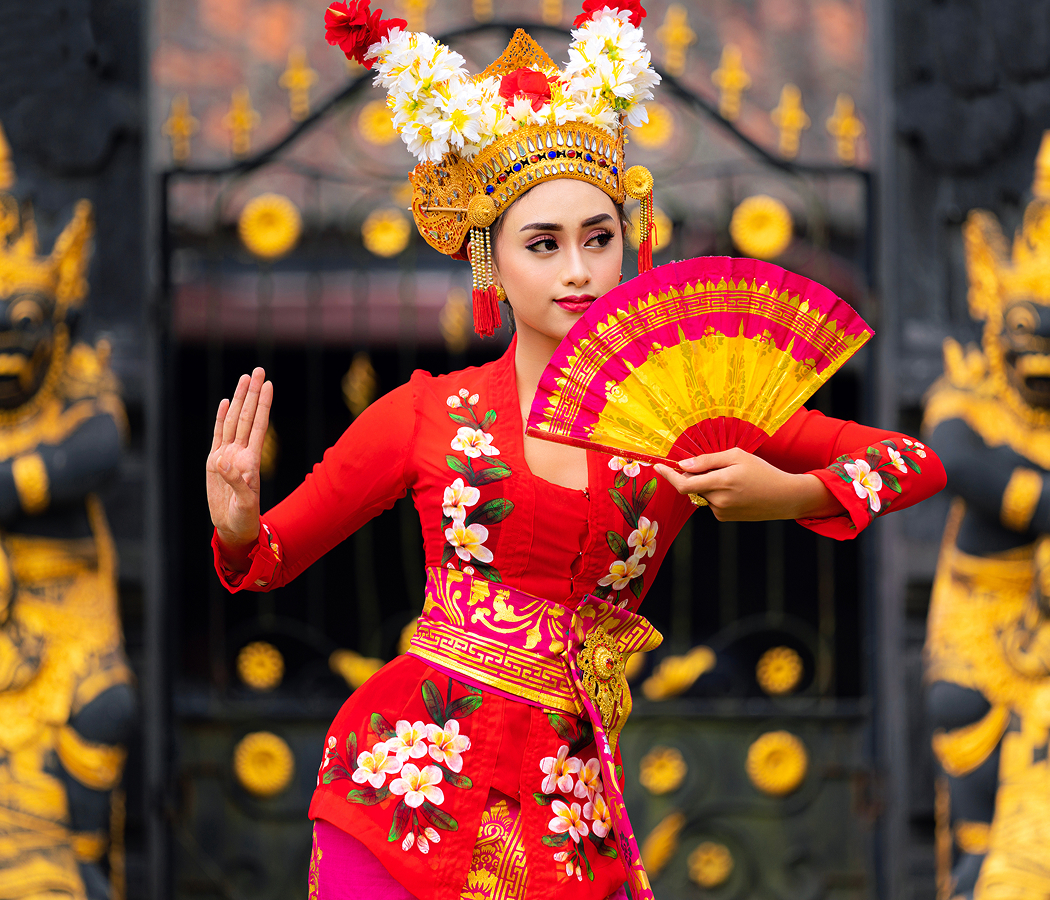
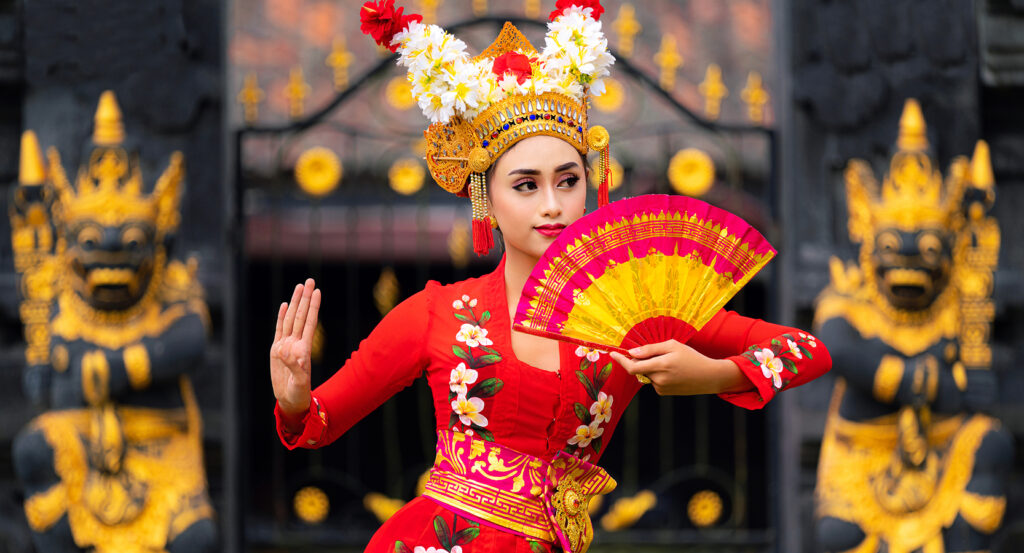
This isn't merely a celebration, it's a month-long heartbeat of the island itself, where tradition and innovation dance together under the tropical sun. From the moment the opening parade, or Pawai Pembukaan, sweeps through the streets with dancers in gilded headdresses, gamelan orchestras clanging in rhythm, and floats depicting mythic scenes from Balinese epics, the air vibrates with collective pride. Every district across Bali, from the highland villages of Ubud to the coastal temples of Sanur, sends its finest artists to perform, each representing centuries of heritage. The festival's stage becomes an intersection of ritual and artistry: masked topeng dancers move with haunting grace, barong performances pit good against evil in eternal struggle, and shadow-puppet plays (wayang kulit) cast flickering light on stories as old as the island's volcanic soil. Beyond the performance, the atmosphere hums with community, children practicing traditional instruments in side pavilions, artisans weaving songket fabric, and food stalls perfuming the air with satay lilit and banana-leaf offerings. Bali Arts Festival isn't just a performance; it's the soul of Bali revealed, a reminder that here, art isn't a pastime but a way of being.
What defines Bali Arts Festival.
Bali Arts Festival, or Pesta Kesenian Bali, began in 1979 as a vision of cultural preservation, a response to the growing pressures of modernization and tourism that threatened to dilute Balinese identity.
Conceived by then-Governor Ida Bagus Mantra, the festival was designed as an annual platform for Balinese communities to celebrate and sustain their diverse traditions while inviting the world to witness them with reverence. Hosted at the Bali Arts Centre (Taman Werdhi Budaya) in Denpasar, the festival grounds are an architectural marvel of stone carvings, lotus ponds, and open-air amphitheaters that echo the island's temple aesthetic. What many don't realize is how deeply structured the festival is: performances are meticulously curated, divided into classical, contemporary, and village-based showcases. One evening might feature a centuries-old legong keraton dance performed by teenage girls in shimmering gold brocade, while another unveils avant-garde choreography blending Balinese and modern movement styles. Music competitions, handicraft exhibitions, literary readings, and culinary displays add further dimension, creating a cultural ecosystem that sustains itself through artistic expression. Over the decades, the festival has grown into one of Indonesia's most respected cultural events, drawing performers and scholars from around the world, yet it has never lost its distinctly Balinese soul. Even the smallest details, like the daily canang sari offerings placed at every stage, remind visitors that the divine and the artistic are inseparable here.
How Bali Arts Festival fits.
Experiencing Bali Arts Festival isn't something you simply attend, it's something you live, breathe, and remember long after you've left the island.
Plan to visit between mid-June and mid-July, when Denpasar's Taman Werdhi Budaya becomes a cultural epicenter alive from dawn until nightfall. Begin your day with a walk through the festival grounds, where each pavilion hosts a different art form: music rehearsals echoing from one corner, children learning traditional dance in another, and intricate batik or silverwork demonstrations nearby. By late afternoon, the open-air amphitheater fills with spectators awaiting the evening's main performances. Arrive early to find a seat beneath the carved stone gates, where the scent of incense mingles with tropical blossoms. When the gamelan begins, let its hypnotic rhythm draw you in, time slows, and you're no longer an observer but a participant in Bali's ongoing story. Between shows, sample local delicacies like lawar, babi guling, or klepon, sold by vendors who've been part of the festival for generations. For deeper immersion, visit nearby temples like Pura Jagatnatha or explore Pasar Badung to see how art influences daily Balinese life. As twilight falls and dancers glide beneath torchlight, you'll understand that Bali Arts Festival isn't about performance, it's about presence. It's a month when Bali remembers itself in full color, and anyone who witnesses it becomes part of that memory forever.
Where your story begins.
Foresyte Travel reveals places that feel extraordinary long before you arrive.
Enjoy editorial crafted for luxury travelers.
Foresyte may earn a commission when you book.