Why Buccan matters.
Buccan is a celebrated contemporary American restaurant where Palm Beach's South County Road commercial heritage meets chef Clay Conley's globally influenced small plates, wood-fired cooking and influential reinvention of the island's dining culture.
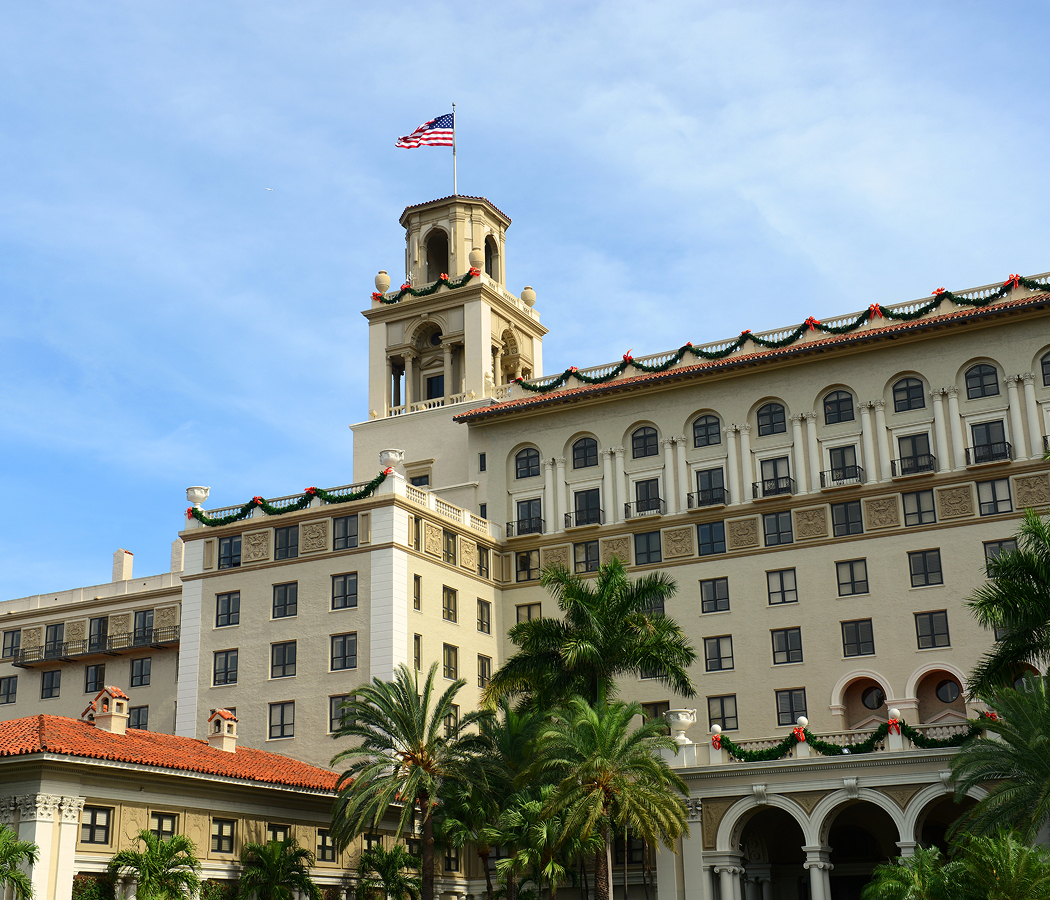
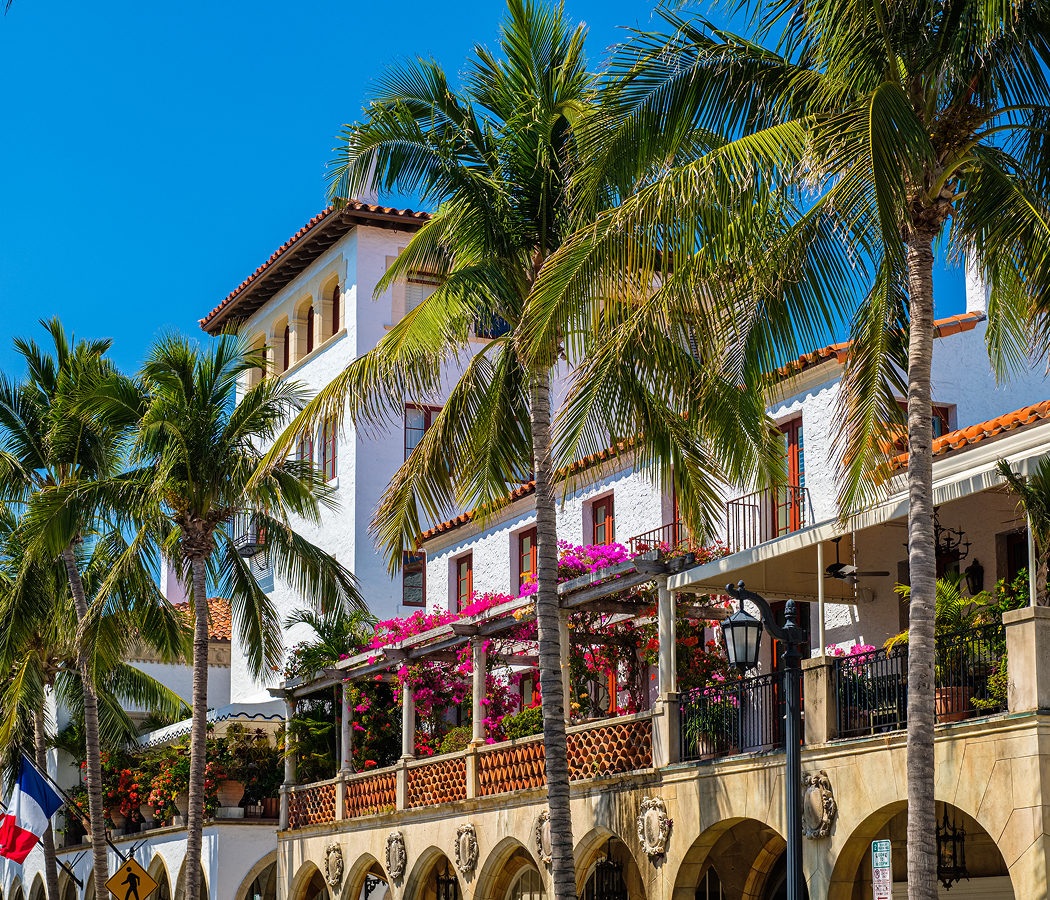
Positioned along South County Road between Royal Palm Way and Worth Avenue, near the historic shopping passages of Via Mizner and the landscaped grounds of the Everglades Club, the restaurant occupies a central location within Palm Beach's established commercial district. Its low-rise storefront features a barrel-tile roof and an understated exterior that connects the restaurant to the Mediterranean Revival architecture prevalent throughout the surrounding streets. Inside, warm earth tones, upholstered seating and a substantial bar create an energetic dining room organized around an open kitchen and wood-burning oven. An adjoining lounge provides a separate gathering area, and the visible cooking stations bring the preparation of food directly into the restaurant's social environment. The result is a sophisticated neighborhood restaurant whose open kitchen, comfortable furnishings and animated dining room complement the architectural character of Central Palm Beach.
What defines Buccan.
Buccan is best known for chef Clay Conley's introduction of globally influenced small-plate dining to Palm Beach, a development that helped broaden the island's restaurant culture and supported the growth of one of South Florida's prominent independent hospitality groups. Conley grew up in rural Maine, where his family maintained an orchard and livestock, giving him an early familiarity with seasonal agriculture and the relationship between ingredients and their origins. He began working in professional kitchens at thirteen, developing an interest in cooking that eventually brought him into the restaurant organization of chef Todd English. His responsibilities expanded through English's Olives restaurants, where he participated in international openings and developed expertise in the management of ambitious restaurant kitchens. Professional assignments across Europe, Asia and the United States exposed him to regional cooking traditions and ingredients that subsequently shaped his approach to contemporary American food. In 2005, Conley became executive chef of Azul at the Mandarin Oriental hotel in Miami, succeeding Michelle Bernstein and assuming responsibility for one of the city's most prestigious dining rooms. His work at Azul continued for five years, strengthening his reputation for technically accomplished cooking and international flavor combinations. Conley had spent much of his professional career developing the concept of an approachable restaurant built around an open kitchen, wood-fired cooking and a changing selection of shareable dishes. The opportunity to realize that ambition emerged through his relationships with Sam Slattery and Oliver “Piper” Quinn, two former colleagues associated with the Todd English restaurant organization. Quinn had been considering a Palm Beach property, and the partners recognized an opportunity to introduce a different style of dining to the island. They founded the business that became Ember Group in 2010 and opened Buccan in January 2011, occupying a restaurant property previously associated with Beach House Bistro and Galaxy Grille. Its name derives from the Caribbean boucan, a wooden structure associated with cooking and smoking food over an open fire, connecting the restaurant's name to the historical origins of barbecue. The opening menu combined relatively accessible pricing with elaborate preparations and flavors drawn from Latin America, the Mediterranean and Asia. Conley's approach attracted substantial attention in a community historically associated with formal hotel dining, private clubs and established continental restaurants. The James Beard Foundation recognized him as a Best Chef: South semifinalist in 2012, beginning a series of nominations that continued through 2024. Buccan's popularity supported the opening of Imoto, an adjacent Japanese-inspired restaurant whose development drew on Conley's professional time in Tokyo and his familiarity with Asian cooking. The group subsequently introduced Buccan Sandwich Shop in 2014, extending its culinary reputation into a daytime business centered on carefully prepared sandwiches. Grato followed in West Palm Beach, bringing Italian-influenced cooking and a substantial wood-fired program to the mainland. Conley and his partners expanded their activities beyond restaurant operations through Buccan Provisions, a nonprofit established in 2020 to address food insecurity through meal distribution and community partnerships. The MICHELIN Guide selected Buccan for its inaugural Palm Beach County restaurant coverage in 2025, recognizing its established reputation and contemporary American menu. The group extended its geographic reach in May 2026 with the opening of Buccan in Coral Gables, accompanied by additional concepts from its Palm Beach portfolio. Fifteen years after its original opening, Buccan occupies a consequential position in the development of South Florida dining, connecting Conley's international culinary background to the growth of an independent restaurant group whose influence extends beyond Palm Beach.
How Buccan fits.
Buccan works as the concluding destination for a Central Palm Beach itinerary connecting the island's Mediterranean Revival architecture, the development of its cultural institutions and the preservation of its historic commercial landscape.
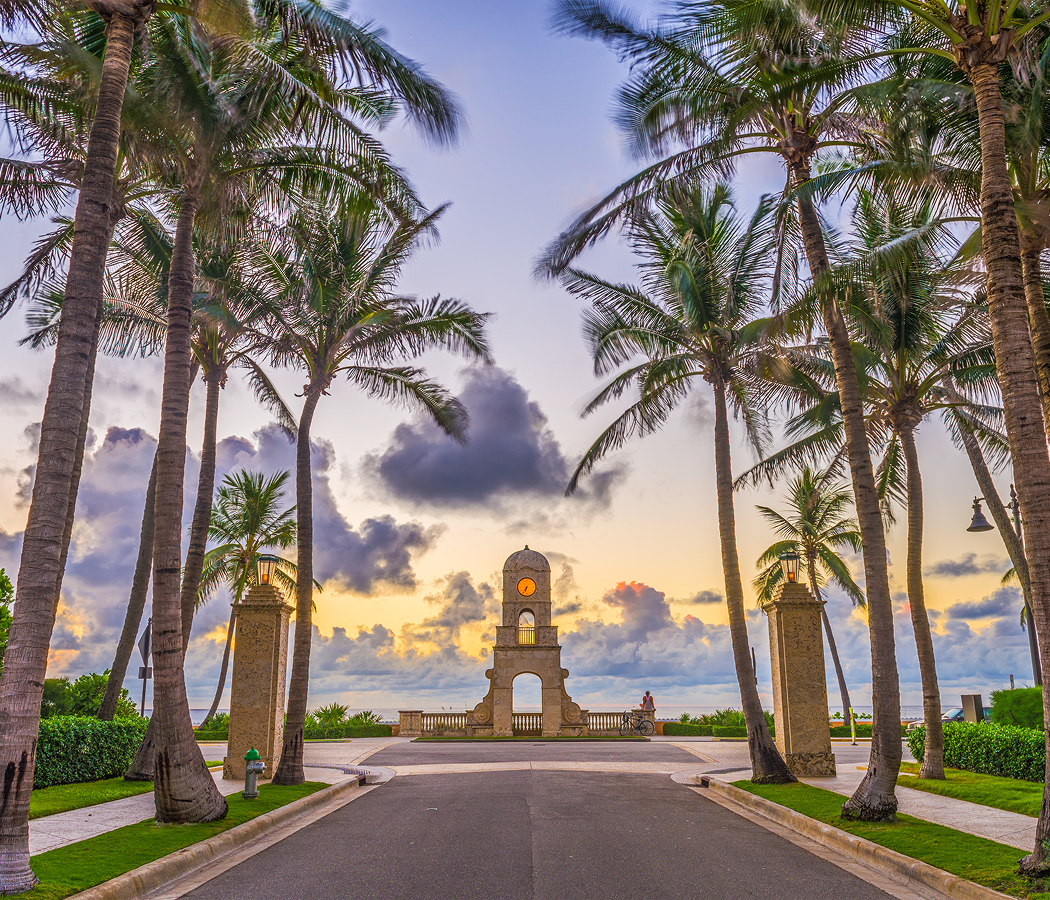
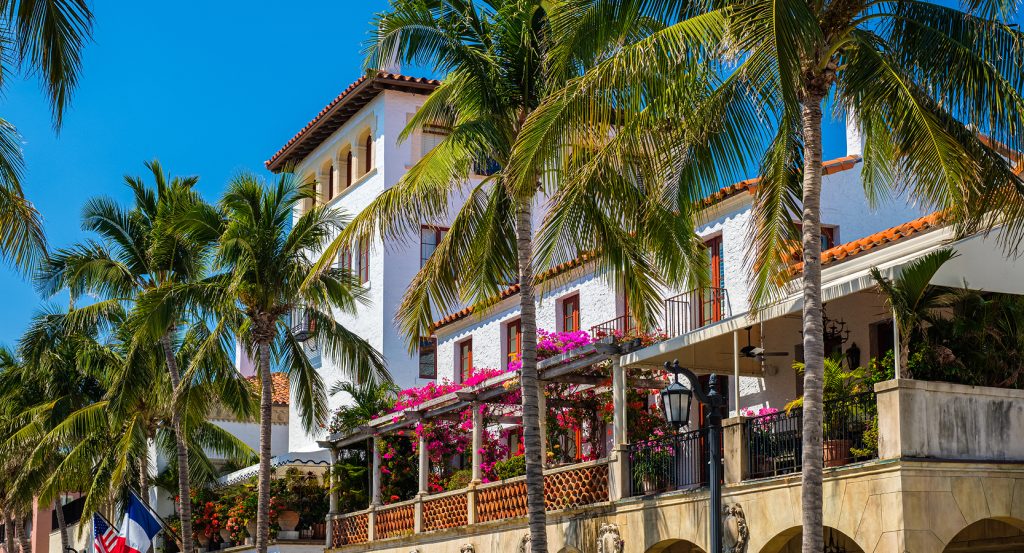
Begin at Via Mizner, the intimate pedestrian shopping complex created by architect Addison Mizner during Palm Beach's rapid architectural development in the 1920s. Mizner arrived in Palm Beach in 1918 and developed a distinctive approach to Mediterranean Revival design that combined Spanish architectural precedents with materials and decorative craftsmanship adapted to South Florida. Construction of the complex began in 1923, incorporating a series of small buildings connected by covered arcades, courtyards and winding pedestrian passages. The project formed part of Mizner's broader commercial ambitions, providing space for businesses associated with Mizner Industries and its production of decorative tiles, furniture and architectural components. Villa Mizner, the architect's personal residence, occupied the upper levels of the development, connecting residential rooms and terraces to the commercial spaces below. The complex entered the National Register of Historic Places in 1993, preserving an important example of the architectural character that shaped Palm Beach's principal shopping district. Continue to The Society of the Four Arts, the cultural institution founded in 1936 to advance music, literature, drama and the visual arts within Palm Beach. Its founding members included prominent seasonal residents who sought to develop a permanent cultural center capable of supporting exhibitions, performances and educational programs. The organization assembled a campus overlooking the Intracoastal Waterway, incorporating an art gallery, auditorium, libraries and landscaped gardens. Architect Maurice Fatio designed the original library building, whose architectural composition contributed to the campus's early development. The Four Arts Demonstration Garden was developed in 1938 to introduce residents to plants suited to South Florida's subtropical climate, eventually becoming a collection of themed garden spaces maintained by the Garden Club of Palm Beach. Fashion designer Philip Hulitar subsequently contributed to the development of the adjoining sculpture garden, which opened in 1980 and was named in his honor in 1988. Conclude at Worth Avenue, the historic commercial corridor whose development helped establish Palm Beach as an internationally recognized center of luxury retail and Mediterranean Revival architecture. The street's commercial transformation accelerated after Paris Singer and Addison Mizner developed the Everglades Club in 1918, attracting businesses that served the island's expanding seasonal population. During the following decade, residential properties gave way to specialized shops, architectural studios and commercial buildings whose designs incorporated arcades, courtyards and decorative stonework. Mizner's commercial developments encouraged the construction of additional pedestrian passages, including Via Parigi, creating an interconnected shopping district whose architectural composition drew on Mediterranean town planning. The avenue subsequently attracted internationally recognized fashion houses, jewelers and specialty retailers, strengthening its commercial reputation during the twentieth century. Its four-block route between the Intracoastal Waterway and the Atlantic Ocean preserves a concentration of historic architecture that connects Palm Beach's retail culture to the town's early resort development. The progression moves from Via Mizner's architectural craftsmanship through The Society of the Four Arts' cultural development and culminates in Worth Avenue's historic commercial district, placing Buccan within the architectural and institutional heritage of Central Palm Beach.
Where your story begins.
Foresyte Travel reveals places that feel extraordinary long before you arrive.
Enjoy editorial crafted for luxury travelers.