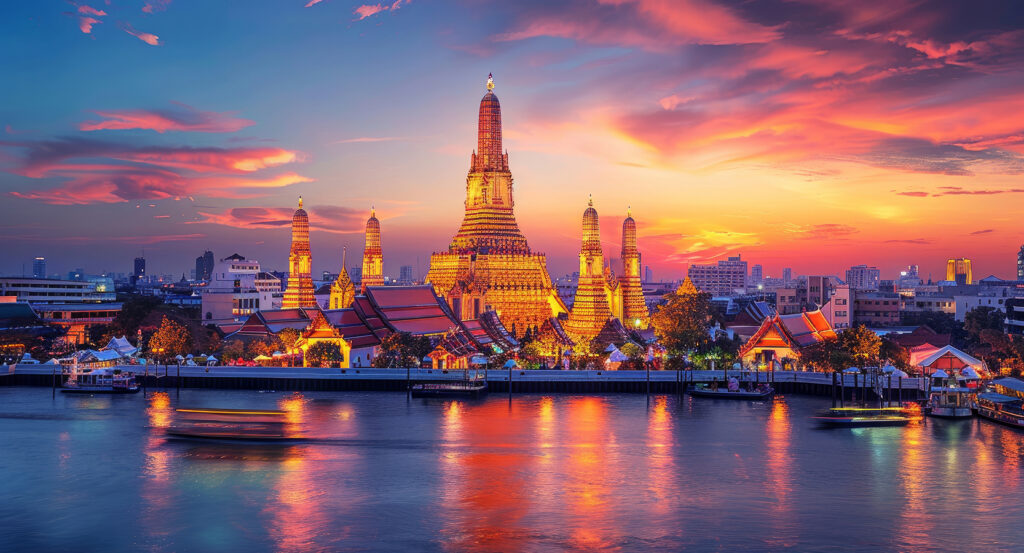
Why you should experience Chinatown in Bangkok, Thailand.
Chinatown is Bangkok's neighborhood of commerce and culture, where gold shops, historic shophouses, Chinese temples, legendary street food, and generations of entrepreneurial tradition have created one of the most vibrant urban districts in Asia.
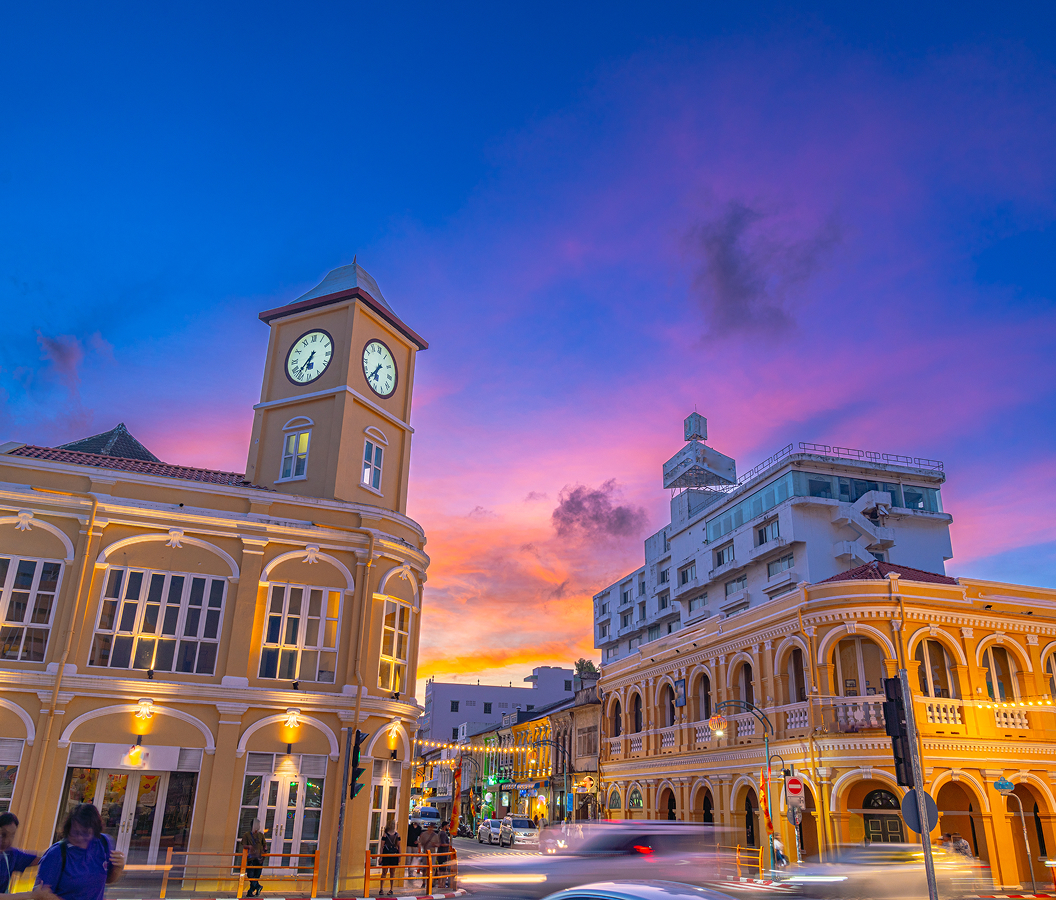
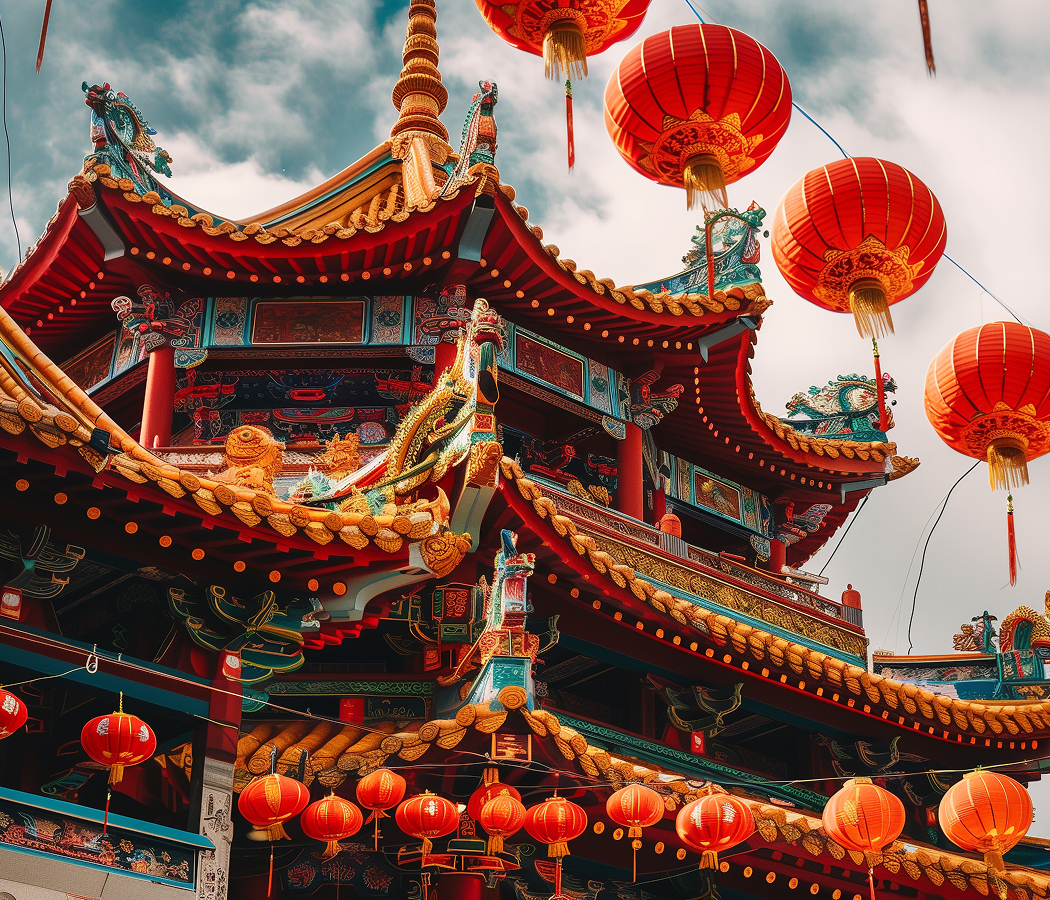
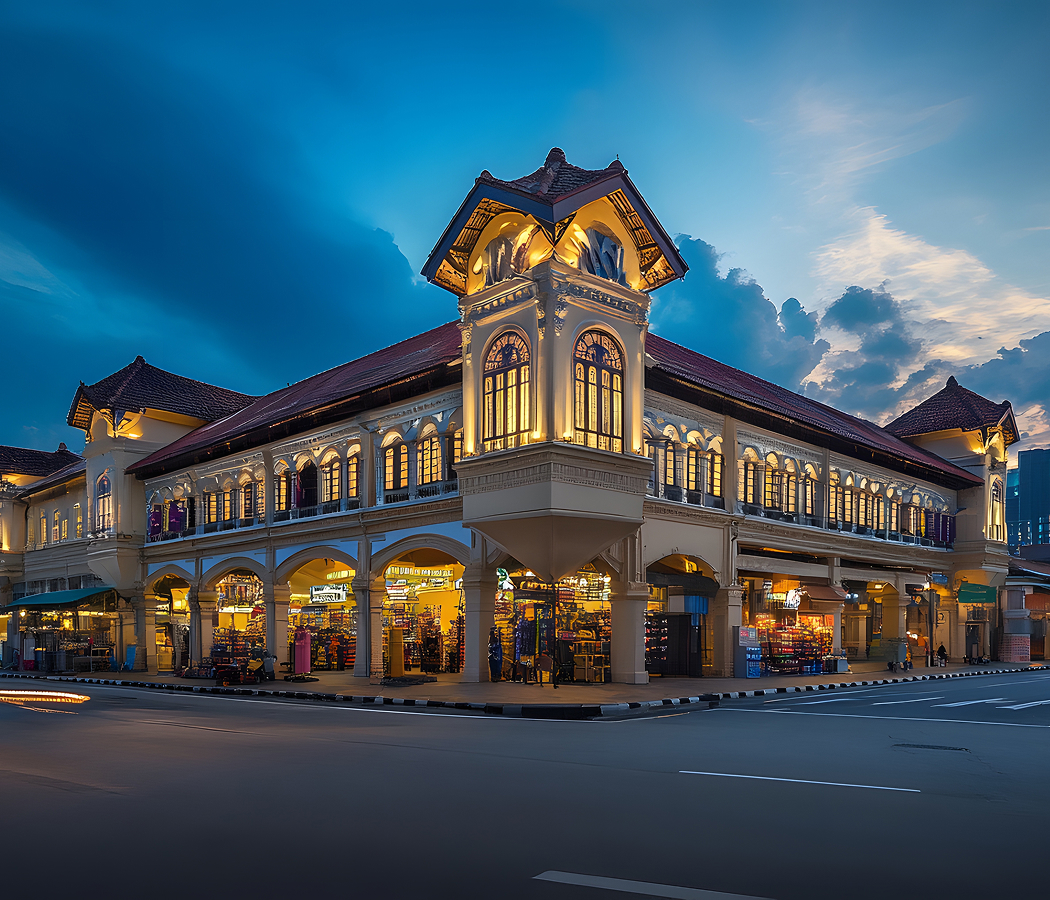
Centered around the famous Yaowarat Road, the neighborhood unfolds through market alleys, herbal medicine stores, family-run businesses, ornate shrines, seafood restaurants, and commercial streets that have served as the economic heartbeat of the Chinese-Thai community for more than two centuries. Merchants conduct business much as they have for generations, while the aromas of roasting chestnuts, grilled seafood, and traditional desserts drift through streets packed with locals and visitors alike. Architectural details reveal layers of migration, trade, and cultural exchange that helped shape modern Bangkok, creating a district where heritage remains deeply embedded in daily life. Along the border of neighboring Samphanthawong, wholesale markets and historic trading corridors extend the neighborhood's commercial legacy deeper into one of the city's oldest business districts.
What you should know about Chinatown.
Chinatown is best known for being one of the largest and oldest Chinese communities in the world, a district that became the historic center of Chinese commerce, culture, and migration in Thailand.
Its origins trace back to the founding of Bangkok in 1782, when Chinese merchants and settlers relocated to the area and established what would become one of Southeast Asia's most influential trading communities. Over the following centuries, the neighborhood evolved into a powerhouse of commerce, with Chinese entrepreneurs playing a central role in the economic development of both Bangkok and Thailand. Temples, associations, markets, and family businesses created institutions that preserved cultural traditions while adapting to changing times. Today, Chinatown remains a living cultural landscape where language, cuisine, religion, and commerce continue to reflect the enduring influence of the Chinese-Thai community. Few neighborhoods anywhere in the world have maintained such a continuous and visible connection to their immigrant roots.
How to fold Chinatown into your trip.
Chinatown is an ideal centerpiece for a day spent exploring Bangkok's cultural heritage, historic markets, and world-renowned food scene.
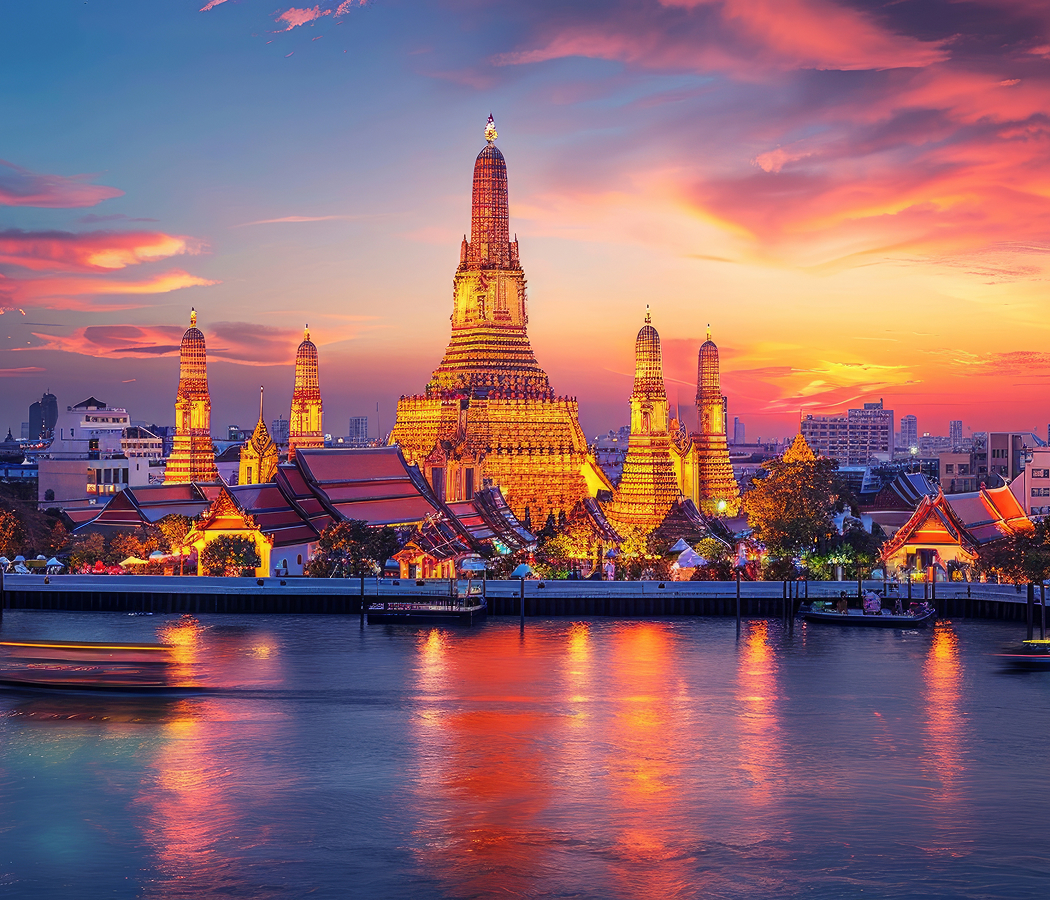
Begin the morning at Wat Traimit, where the Golden Buddha offers an introduction to the neighborhood's cultural significance before wandering into the surrounding streets as businesses begin opening for the day. From there, explore Yaowarat Road's markets, temples, and historic shophouses before continuing into nearby riverside communities and commercial corridors that reveal the district's trading heritage. Wat Traimit, Yaowarat Road, and Talat Noi all sit within easy reach, creating a natural progression between sacred landmarks, historic commerce, and one of Bangkok's most atmospheric waterfront neighborhoods. As the afternoon unfolds and evening approaches, the district transforms into one of the world's great street food destinations, with entire blocks coming alive through outdoor kitchens and generations-old recipes. Chinatown fits naturally into that rhythm of discovery, serving as both the cultural heart of Chinese Bangkok and one of the most fascinating urban neighborhoods in Asia.
Where your story begins.
Start your planning journey with Foresyte Travel.
Experience immersive stories crafted for luxury travelers.