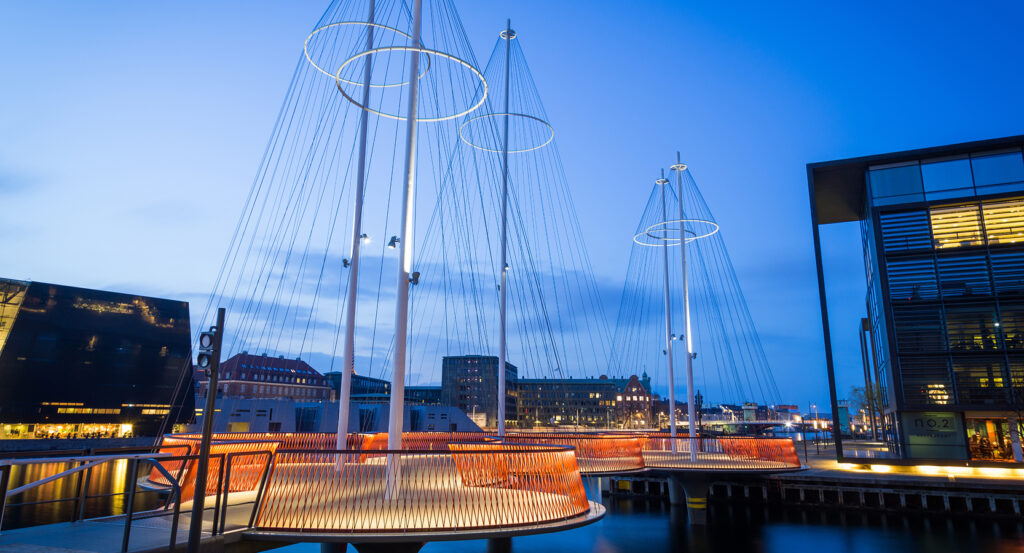
Why you should experience Christianshavns Kanal in Copenhagen, Denmark.
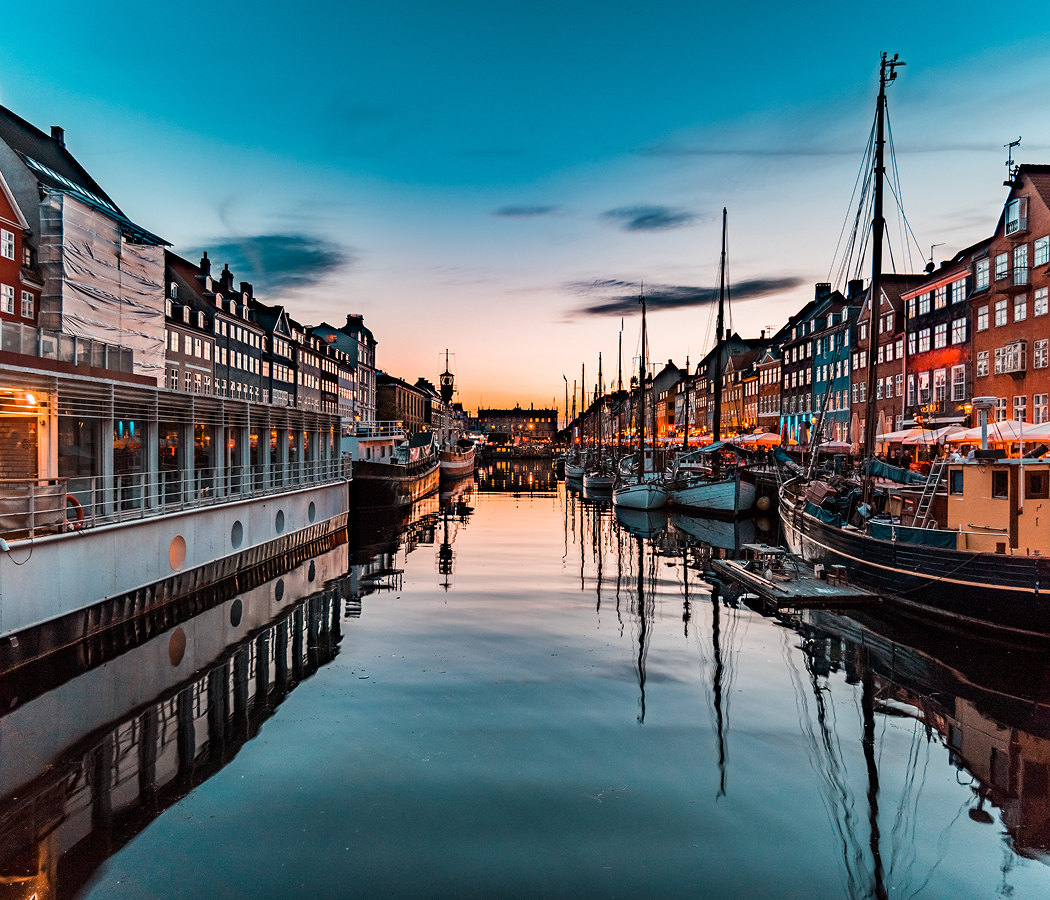
The Christianshavn Kanal is Copenhagen at its most cinematic, a stretch of water where the city's maritime soul still glimmers beneath the modern rhythm of daily life.
Running like a polished thread through the heart of the Christianshavn district, the canal reflects centuries of Danish history in its rippling surface: 17th-century warehouses reborn as galleries, pastel façades leaning over the water, and the gentle sway of houseboats that have become homes. As you walk along its cobbled edges or drift through by boat, you'll feel an unmistakable sense of balance, where the elegance of old Copenhagen meets the creative pulse of the new. The canal's waters mirror not only the city's architecture but its character: calm, reflective, quietly confident. It's a place that doesn't need to impress; it simply is. And in that stillness, you discover the beauty of Copenhagen's essence, maritime yet modern, deliberate yet free.
What you should know about Christianshavns Kanal.
The Christianshavn Kanal is as historic as it is alive, a living artifact of Copenhagen's golden age of trade and the city's enduring relationship with the sea.
The district itself was founded in the early 1600s by King Christian IV, who envisioned a Dutch-style merchant quarter modeled after Amsterdam's canals. The Christianshavn Canal became its centerpiece, both lifeline and landmark. Built by Dutch engineers, it was designed to accommodate the tall ships that once sailed in from the Baltic, their masts rising high above the gabled rooftops. Over the centuries, the canal witnessed Copenhagen's transformation from fortified city to cultural capital, yet it never lost its maritime rhythm. Today, the same waters that once carried merchants and soldiers now cradle floating homes, kayaks, and tour boats. Few visitors realize that the canal still functions as an active waterway, a rare example of living urban heritage in continuous use for over 400 years. The bridges that cross it, including the graceful Circle Bridge by Olafur Eliasson, reflect the city's blend of tradition and innovation, where engineering and art meet effortlessly. Beneath the surface, the canal supports a surprising ecosystem of swans, fish, and even harbor seals that occasionally wander in from the Øresund, a quiet tribute to Copenhagen's success in revitalizing its waterways.
How to fold Christianshavns Kanal into your trip.
The Christianshavn Kanal is best experienced at a slow pace, ideally with no plan at all.
Start the walk from Knippelsbro Bridge, following the curve of the canal southward through narrow cobblestone streets lined with colorful townhouses. Stop often, at cafés spilling onto the water, at moored boats where locals sip coffee, or beneath the shade of willows that dip their branches into the current. If you prefer to explore by water, rent a kayak or take a small electric boat from one of the nearby docks; gliding beneath the low bridges offers an entirely different perspective, where the city seems to whisper its secrets. Visit in the morning for soft light and reflection, or late afternoon when the sun warms the façades and the canal glows like amber glass. As twilight falls, lanterns flicker on the decks of houseboats, and the sounds of clinking glasses and guitar music drift across the water. Pair your visit with stops at Freetown Christiania nearby or the Church of Our Saviour, whose spiral tower offers panoramic views of the canal's elegant geometry. The Christianshavn Canal isn't just a postcard scene, it's the heartbeat of a neighborhood that captures Copenhagen's soul: creative, communal, and forever entwined with the sea.
Where your story begins.
Foresyte Travel reveals places that feel extraordinary long before you arrive.
Experience premium editorial crafted for luxury travelers.