Why you should experience Conservatorium Hotel in Amsterdam, Netherlands.
Conservatorium Hotel is where architectural grandeur meets contemporary luxury, where a 19th-century cultural landmark transforms into one of the most sophisticated hotels in Europe, and where stepping inside feels like entering a modern urban sanctuary, light-filled, design-driven, atmospheric, and infused with the artistic soul of Amsterdam itself. It's elegant, dramatic, serene, and unmistakably world-class, the kind of hotel that redefines what a “destination stay” can be.
Rising beside the Museumplein, the Conservatorium occupies the former Sweelinck Conservatory, a grand Neo-Gothic building dating back to the 1800s. Its façade alone makes you pause: soaring arches, intricate stonework, tall windows, and a symphonic architectural presence that reflects its musical past. Step inside, however, and the transformation is breathtaking. The interiors, redesigned by famed architect and designer Piero Lissoni, merge the building's historic bones with sleek contemporary style. Glass walls, steel beams, sculptural staircases, warm stone, soft wood, and an immense central atrium filled with natural light create a feeling of open, airy sophistication unlike anywhere else in the city. Rooms and suites are spacious, minimalist, and beautifully composed, clean lines, warm tones, tailored furniture, plush beds wrapped in crisp linens, soft lighting, curated artwork, and windows overlooking either the Museum Quarter, the hotel's dramatic atrium, or Amsterdam's rooftops. Many rooms incorporate original architectural features, arched windows, preserved brick, soaring ceilings, or attic-style timber beams, bridging centuries of history with modern design. Bathrooms are indulgent sanctuaries, deep soaking tubs, walk-in rain showers, polished stone surfaces, refined Dutch-inspired fixtures, and amenities selected with quiet luxury in mind. Duplex suites elevate the experience further with split-level layouts, expansive living areas, dramatic architectural details, and a sense of rarefied calm that feels almost meditative. Dining at the Conservatorium is as impressive as its architecture. Taiko, the hotel's signature restaurant, delivers exceptional Asian-inspired cuisine crafted with precision and resonant depth. The flavors are bold, beautifully plated, and unforgettable. Taiko Bar adds a moody, rhythmic energy to evenings, craft cocktails, dim lighting, curated music, and a seductive, contemporary setting that seamlessly transitions from pre-dinner drinks to late-night atmosphere. The hotel's Brasserie, located beneath the soaring atrium, offers a bright, elegant space for breakfast and daytime dining, sunlight filtering through glass, greenery softening the architecture, and a refined menu that balances European favorites with fresh, modern touches. The Conservatorium is equally famous for its world-class Akasha Holistic Wellbeing Centre, among Amsterdam's premier wellness destinations. The spa spans multiple levels, combining an immense indoor pool, serene relaxation areas, a hammam, whirlpool, meditation spaces, and state-of-the-art fitness facilities. Treatments blend Eastern and Western philosophies, using premium botanicals and practices rooted in holistic care. It's quiet, immersive, and unmatched in the city. Service at Conservatorium Hotel is polished, intuitive, warm, and discreet. Staff members carry themselves with the ease of true hospitality professionals, attentive without intruding, knowledgeable without overwhelming, and genuinely invested in creating a personalized, effortless stay. And the location? Truly exceptional. Perched at the edge of the Museum Quarter, the hotel sits steps from the Rijksmuseum, Van Gogh Museum, and Stedelijk; minutes from the royal shopping avenue of P.C.
What you should know about Conservatorium Hotel.
Conservatorium Hotel stands on land shaped by Amsterdam's 19th-century cultural awakening, a period when the city reinvented itself through music, arts, and education, and when the building that houses the hotel emerged as one of the Netherlands' most important artistic institutions.
The structure originally opened in the late 1800s as the Rijkspostspaarbank, a grand savings bank created to encourage financial stability among Dutch citizens. Designed by renowned Dutch architect Daniel Knuttel in a Neo-Gothic style with Art Nouveau influences, the building reflected a rare fusion of civic purpose and architectural ornament. Its massive atrium, high ceilings, and ornate stonework were symbols of national pride and progress. In the early 20th century, after the bank relocated, the building became home to the Sweelinck Conservatory of Music, among the Netherlands' most respected music academies. For decades, its halls echoed with the sounds of piano scales, violin études, orchestral rehearsals, and the daily discipline of some of the country's most gifted young musicians. Every corner of the building, its staircases, classrooms, corridors, and practice rooms, held the energy of artistic training. Generations of Dutch musicians, composers, and teachers studied within these walls, and many of their stories remain embedded in the building's architectural memory. When the conservatory eventually moved to a modern campus, the building entered a long period of uncertainty. Yet its cultural significance and architectural uniqueness ensured it would never be demolished. Developers and preservationists recognized its potential and embarked on a meticulous restoration, among the most ambitious adaptive-reuse projects in Amsterdam's modern history. During the renovation, teams uncovered original brickwork, archival financial ledgers from the building's banking past, remnants of old practice-room soundproofing, and the structural signatures of Knuttel's late-19th-century engineering. A particularly fascinating discovery: hidden behind layers of renovation were fragments of decorative stone carvings tied to the building's original civic symbolism, small motifs representing thrift, discipline, knowledge, and abundance. When Piero Lissoni was commissioned to redesign the interior, he approached the project with profound respect for the building's history, preserving its grand architecture while introducing a glass-and-steel modernity that feels like a natural evolution of its cultural legacy. Today, Conservatorium Hotel stands as a living tribute to Amsterdam's architectural, civic, and musical past, a building reborn without losing the soul that shaped it for more than a century.
How to fold Conservatorium Hotel into your trip.
Conservatorium Hotel becomes your sophisticated, light-filled Amsterdam retreat, where mornings begin with cultural immersion, afternoons unfold into wellness and boutique exploring, and evenings settle into refined dining and atmospheric calm.
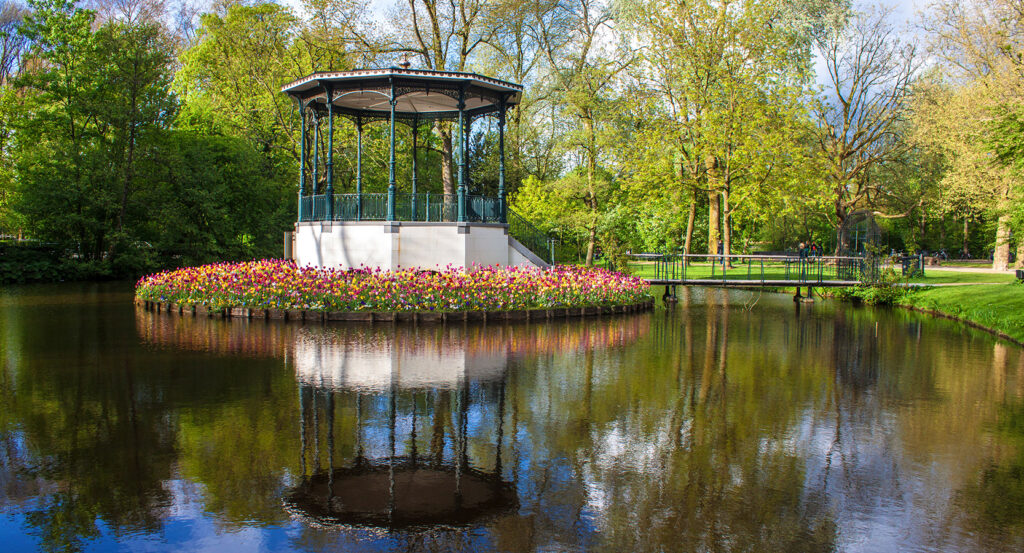
Start the morning with breakfast beneath the glass atrium, then step outside toward the Museum Quarter. Visit the Rijksmuseum to wander Dutch masterpieces, continue to the Van Gogh Museum for emotion-driven art, or explore the Stedelijk for contemporary expression. If you prefer a softer start, walk into Vondelpark for a peaceful loop under the trees before returning to the hotel's serene interiors. Midday, relax at the Akasha spa, swim laps in the tranquil pool, unwind in the hammam, enjoy a massage, or simply settle into the stillness of the wellness areas. Afterward, stroll down P.C. Hooftstraat for luxury shopping or wander the Spiegelkwartier's antiques and art galleries. In the afternoon, explore Oud-Zuid's elegant streets or take a tram or canal walk toward the Nine Streets and Jordaan for café hopping and boutique browsing. As evening approaches, enjoy a cocktail at Taiko Bar before settling into an unforgettable dinner at Taiko, a physical, beautifully crafted culinary experience. Finish the night with a quiet walk past the museums or return to the hotel's glowing atrium for one final moment beneath its soaring architectural lines.
Where your story begins.
Foresyte Travel reveals places that feel extraordinary long before you arrive.
Experience premium editorial crafted for luxury travelers.